

Turkey blends Europe and Asia, ancient ruins and modern cities, resort coasts and remote highlands. It is also a large, complex country where conditions vary from region to region. Most visits are trouble free, but smart preparation and situational awareness will help you enjoy its energy, history and hospitality with confidence. These 10 safety strategies focus on the practical steps that make the biggest difference for international travelers right now.
1. Start With Reliable, Up-To-Date Safety Information
Before booking nonrefundable flights or hotels, check the latest government travel advisories for Turkey from your home country. As of late 2025, countries including the United States rate Turkey at a moderate advisory level, recommending increased caution due mainly to terrorism risk and regional instability rather than widespread crime. Those advisories are reviewed and updated periodically, particularly after incidents, elections or security operations, so do not rely on information that is months out of date.
These advisories usually distinguish between Turkey’s main tourist hubs and higher risk areas. Popular destinations such as Istanbul, Cappadocia and the Mediterranean and Aegean resort towns generally see large numbers of visitors with relatively low levels of serious crime. By contrast, provinces along the Syrian border and parts of the far southeast often carry strong “do not travel” warnings because of terrorism and military activity. Build your itinerary around regions that are considered safe for tourism and avoid any province currently subject to “do not travel” guidance.
It is also wise to register your trip with your embassy or consulate if your government offers this service. Registration usually allows diplomatic staff to contact you in an emergency, from a natural disaster to a major security incident, and to share targeted safety updates specific to your region inside Turkey. At a minimum, store the address and phone numbers of your embassy, as well as local emergency services numbers, in both your phone and on paper in your wallet.
Finally, follow local and international news in the weeks before you depart and while you are on the ground. Pay particular attention to developments related to security operations, demonstrations, wildfires, earthquakes and transport disruptions. Conditions can change quickly, and a news item that seems remote when you first read it can become highly relevant once you understand where you will actually be traveling.
2. Stay Alert in Crowded Places and Tourist Hotspots
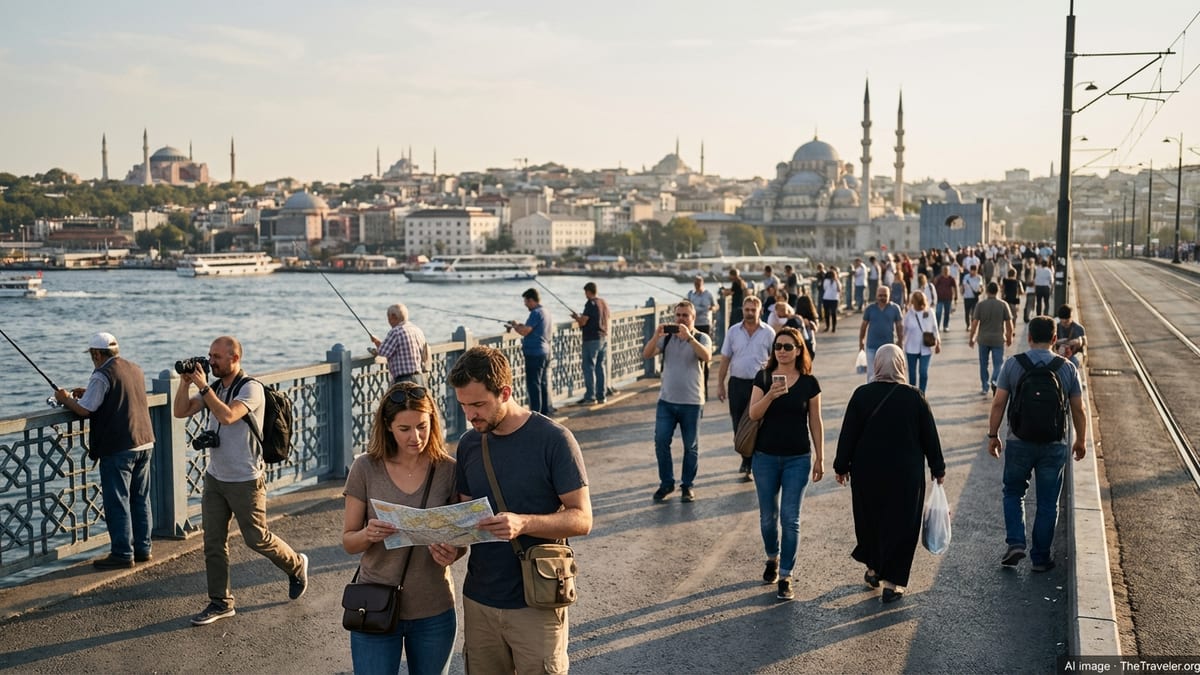
Turkey’s most famous sights are magnets for visitors and petty criminals alike. Areas like Istanbul’s Sultanahmet district, the Grand Bazaar, Istiklal Avenue, coastal promenades in Antalya or Izmir, and ferry and tram lines are generally safe but busy. In these environments the most likely threats are pickpocketing, bag snatching and simple distraction scams. Keep wallets, phones and passports out of back pockets and easy-to-open bags, and use a crossbody bag that zips fully closed. Carry only the cash and cards you actually need for the day and leave backups locked in your accommodation safe.
Be cautious about overly friendly strangers who approach you out of nowhere and insist on guiding you, sharing a special shopping opportunity or inviting you for an unexpected drink or meal. In some well known confidence scams, a helpful local leads visitors to a bar or restaurant with no posted prices, orders generously, then disappears before an inflated bill arrives. If you feel uncomfortable, politely but firmly decline and move on. Choose where to eat and shop independently or via reputable recommendations rather than through unsolicited invitations on the street.
Crowded events, transportation hubs and places of worship have also been targeted in past terrorist attacks. The overall risk for any given traveler remains low, but it is sensible to be observant. Note your nearest exits, avoid lingering in bottlenecked crowds longer than necessary and follow instructions from police or security staff immediately if they direct people away from an area. If you see an unattended bag or notice behavior that feels seriously out of place, move away and notify security.
At night, big city districts with bars and clubs can feel festive yet also attract opportunistic crime. Stick to main streets rather than deserted side alleys, stay with your companions and limit alcohol so that your judgment remains clear. Watch your drink being poured, keep it in sight at all times and never accept open drinks from strangers. Consider using your phone’s location sharing with a trusted friend or family member while you are out late.
3. Use Transport and Taxis Safely
Turkey’s transport network is extensive and, for the most part, reliable. Istanbul, in particular, has a modern metro, tram and bus system that many visitors use daily. These are generally safe during the day and evening, though like any big city system they can be targets for pickpockets at rush hour. Keep bags in front of you, avoid displaying valuables and step away from anyone pressing in uncomfortably close when there is space elsewhere in the carriage.
For taxis, seek out official vehicles at marked stands or request them via reputable apps where available. Legal taxis display a “Taksi” sign, license plates and usually a meter. Before setting off, confirm the driver will use the meter or agree clearly on a fare in advance for long intercity trips. If something does not feel right about the car or driver, do not get in. At night or after drinking, consider arranging transport through your hotel or a ride hailing app that logs your journey rather than hailing a car on a deserted street.
If you plan to rent a car, understand that driving styles in Turkey can be more assertive than many visitors are used to. In city centers, expect dense traffic, sudden lane changes and frequent horn use. Rural roads can be dark at night, with limited lighting and occasional livestock or pedestrians. Opt for a reputable rental company, ensure your vehicle has working seat belts and basic safety equipment and verify that your insurance covers collision and theft. Avoid overnight road trips unless necessary and take regular breaks to avoid fatigue.
Domestic flights and intercity buses connect major destinations efficiently, but safety standards can vary. When booking budget airlines or smaller regional carriers, research their safety record and punctuality. On buses, choose well established companies and keep valuables with you in a small daypack rather than in the luggage hold. No matter which mode of transport you use, listen to safety briefings, locate emergency exits and avoid placing heavy objects in overhead storage where they can fall during sudden stops.
4. Prepare for Earthquakes, Fires and Other Emergencies
Turkey sits on several active fault lines and experiences frequent earthquakes of varying strength. In recent years, significant tremors have affected Istanbul, the Marmara region and parts of western and southern Turkey, with occasional damage to buildings and infrastructure. Even when quakes cause little structural harm, they can trigger panic, sudden evacuations and temporary transport disruptions. Visitors should know basic earthquake survival steps before arrival so that they can react calmly in the critical first seconds.
If you are indoors during a strong tremor, most international guidance recommends dropping to the ground, taking cover under a sturdy table or desk if possible, and holding on until the shaking stops. Stay away from windows, glass, exterior walls and tall furniture that might topple. Do not rush for the stairs or elevators, since stampedes and falling debris in stairwells can be more dangerous than the shaking itself. Once the main tremor ceases, calmly exit the building, avoid standing directly next to walls or under balconies and move to an open area away from anything that might fall.
Hotels, particularly in older buildings, can vary widely in fire safety standards, as highlighted by a deadly resort fire in early 2025 that raised concerns about alarms, sprinklers and evacuation routes. When you check in anywhere, take a minute to locate fire exits on your floor, count the number of doors between your room and the nearest stairwell and confirm that exit routes are not blocked. If you do not see smoke detectors or sprinklers in corridors or rooms, take extra care never to overload electrical outlets or leave candles or heating devices unattended.
Wildfires have also affected parts of western and southern Turkey in recent summers, especially during heatwaves. In coastal and forested areas, respect any local warnings about fire danger and follow evacuation instructions quickly if authorities order them. Keep your passport, a small amount of cash, phone, charger and any critical medication in a small grab bag near your bed so you can leave in a hurry if you ever need to. Having these basics ready can turn a chaotic evacuation into a manageable inconvenience.
5. Protect Your Health, Food and Water Safety
Turkey has many modern hospitals and clinics, particularly in major cities and resort zones, but travelers should still plan for health issues. Purchase comprehensive travel insurance that covers medical care, emergency evacuation and trip disruption. Bring a small personal medical kit including pain relievers, any prescription medicines in original packaging, basic first aid items and any specific supplies you rely on, such as allergy medication or inhalers. Pharmacies, marked by a red “Eczane” sign, are common and often staffed by pharmacists who can advise on minor ailments.
Food is one of Turkey’s great pleasures, from smoky grilled meats to fresh vegetable meze and syrup soaked pastries. Street food is widely enjoyed by locals and visitors, but choose stalls that are busy with a quick turnover of ingredients. Food that has been sitting uncovered in the sun is more likely to cause stomach upsets. Hot dishes should be served piping hot, and cold items should be properly chilled. If you have a sensitive stomach, ease into raw salads or very spicy dishes rather than overindulging on your first day.
Tap water quality varies by region, and many locals themselves prefer bottled water for drinking. Bottled water is inexpensive and widely available, so use it for drinking and, if you are cautious, for brushing your teeth. In hot months, dehydration can be a bigger risk than minor gastrointestinal issues, especially if you are walking on steep streets in Istanbul or hiking in Cappadocia. Carry a refillable bottle and drink regularly, particularly during outdoor sightseeing, boat trips or long bus journeys.
Take basic precautions against insect bites if you will be spending time outdoors, especially in warmer southern regions during spring and summer. Use repellent, wear light long sleeves and trousers in the evenings and check your accommodation for intact window screens. If you have specific medical concerns, chronic conditions or are pregnant, consult a travel health clinic before departure for individualized advice on vaccines or preventive medications recommended for your itinerary.
6. Respect Local Laws, Customs and Social Norms
Understanding Turkish laws and social expectations not only keeps you out of trouble, it also helps you move through the country with less friction. Turkey is officially secular but socially conservative in many areas, particularly outside cosmopolitan neighborhoods and resort towns. Dress codes are generally relaxed in big cities, but modest clothing that covers shoulders and knees is appropriate when visiting mosques or smaller towns. Women are usually asked to cover their hair when entering active mosques, and headscarves are often provided at major sites.
During the holy month of Ramadan, which shifts slightly each year, many Turks fast from dawn to sunset. In large cities and tourist districts, restaurants serving visitors remain open, but eating, drinking or smoking in public during fasting hours can be seen as insensitive, especially in more traditional neighborhoods. A little extra discretion, such as stepping into a café or side street to sip water, goes a long way toward maintaining goodwill.
Certain behaviors that might draw little notice elsewhere can have legal consequences in Turkey. It is illegal to insult the Turkish nation, government institutions or the national flag, including in social media posts made outside the country that are later discovered while you are in Turkey. Defacing currency and attempting to buy or export antiquities without proper documentation can also lead to fines or prison terms. Only purchase historical artifacts from reputable dealers and obtain clear proof that they are legal to export.
Laws around public order can be enforced strictly. Avoid political demonstrations, marches and large, impromptu gatherings, which can be dispersed by police and in some cases escalate quickly. Photography is generally welcome at tourist spots, but refrain from taking pictures of military bases, government buildings, security checkpoints or members of the security forces. When photographing individuals, especially in rural areas or traditional districts, ask permission first as a courtesy.
7. Safeguard Your Money, Documents and Digital Security
Petty theft in Turkey is not dramatically higher than in many European destinations, but losing your passport or bank cards can derail a trip anywhere. Use hotel room safes when available to store your passport, a backup credit card and the bulk of your cash. Carry a photocopy or digital scan of your passport photo page and entry stamp, along with your accommodation details, in case local authorities ask for identification or you need to replace lost documents.
Spread your money and payment methods across more than one place. For example, keep a small amount of local currency and one card on your person, a second card in your bag and a third form of payment locked away in your hotel. Avoid counting large amounts of cash in public, particularly in markets or near ATMs. Use cash machines attached to banks or inside shopping centers where possible, and cover the keypad as you enter your PIN. If a machine retains or eats your card, contact your bank immediately rather than accepting help from bystanders.
Digital security matters as much as physical security. Many cafés, hotels and public squares advertise free Wi Fi, but open networks can be vulnerable to eavesdropping or malware. Avoid accessing sensitive accounts such as online banking on unsecured networks, and consider using a virtual private network for an extra layer of protection. Keep your phone and laptop locked with a strong passcode or biometric authentication, and activate “find my device” features so you can remotely locate or wipe them if they go missing.
Finally, communicate your plans with someone you trust at home. Share a basic outline of your itinerary and send quick updates when you move from one city to another. In an emergency, having a friend or family member who knows where you were supposed to be and when can speed up help from both local authorities and your embassy.
8. Be Streetwise With Nightlife, Beaches and Outdoor Adventures
Turkey offers an array of nightlife, from rooftop bars overlooking the Bosphorus to lively beach clubs in Bodrum and Antalya. Most visitors enjoy these scenes without issue, but a few sensible habits help keep evenings fun rather than stressful. Go out with people you know and agree in advance on how you will get back to your accommodation. Keep your phone charged and your hotel address written down in Turkish as well as in your own language, so you can show it to a taxi driver if language becomes a barrier late at night.
Alcohol is widely available, yet intoxicated visitors are more likely to be targets for theft or harassment. Pace your drinking, order your own beverages and watch them being prepared. If a stranger insists on buying you repeated drinks or pressures you to go somewhere you did not plan to go, listen to your instincts and decline. If you start to feel unwell in a way that does not match how much you have had to drink, tell a friend or staff member immediately and seek medical help if necessary.
Turkey’s coastline is another major draw. When swimming, stick to designated beaches with lifeguards where possible, and heed flags or signs indicating currents and conditions. Sudden drop offs, waves and boat traffic can pose hazards even to confident swimmers. Never leave belongings unattended on the sand, and store passports, large sums of cash and electronics in your hotel safe rather than in a beach bag.
Inland, many travelers hike in Cappadocia’s valleys, the Lycian Way or national parks. Trails can be hot, exposed and poorly marked in places. Check the weather forecast, leave word of your plans at your hotel, carry more water than you think you need and wear footwear suitable for rocky terrain. Start early in the morning in summer to avoid peak heat, use sun protection and be realistic about your fitness level. Hiring licensed guides for hot air balloon flights, boat tours, canyoning or other adventure activities is strongly advised, as they understand local conditions and safety protocols.
FAQ
Q1. Is Turkey generally safe for tourists right now?
Turkey’s main tourist areas such as Istanbul, Cappadocia and the Mediterranean and Aegean coasts are generally considered safe, though governments still advise visitors to exercise increased caution, particularly in crowded places and near any political gatherings.
Q2. Are there areas of Turkey tourists should avoid for safety reasons?
Travel advisories commonly recommend that foreign visitors avoid provinces bordering Syria and certain parts of the far southeast because of terrorism, military activity and instability, while most central and western regions remain popular and accessible.
Q3. How serious is the risk of terrorism for visitors?
Terrorist incidents have occurred in Turkey in the past, including in major cities, but they remain rare events for any individual traveler; staying aware of your surroundings, avoiding demonstrations and following local security advice significantly reduces your exposure to risk.
Q4. What are the most common crimes affecting tourists?
The most frequent problems reported by visitors tend to be pickpocketing, bag snatching and overcharging scams in busy tourist zones, taxis and nightlife areas rather than violent crime, which remains relatively uncommon for tourists.
Q5. Is public transport in Istanbul safe to use?
Istanbul’s metro, tram and bus systems are widely used by locals and tourists and are generally safe, though you should watch for pickpockets on crowded lines, keep valuables secured and travel with others late at night when possible.
Q6. How can I prepare for earthquakes while visiting Turkey?
Learn basic earthquake response steps before you travel, identify emergency exits in your accommodation, keep essential items such as your passport and medications in a grab bag and follow any instructions from local authorities during and after a tremor.
Q7. Is it safe to drink tap water in Turkey?
Tap water quality varies, and many residents themselves prefer bottled water for drinking, so most visitors choose sealed bottled water for drinking and sometimes for brushing teeth, which is inexpensive and widely available.
Q8. What should women know about safety and dress in Turkey?
Women travelers can and do explore Turkey safely, but may feel more comfortable dressing modestly in smaller towns, avoiding isolated areas at night and using common sense precautions similar to those they would use in any large European city.
Q9. Are wildfires and summer heat a safety concern?
In recent summers, parts of western and southern Turkey have experienced wildfires and intense heatwaves, so it is wise to monitor local news and advisories, avoid affected areas when fires are active and protect yourself from heat with shade, hydration and rest.
Q10. Do I need travel insurance for a trip to Turkey?
Comprehensive travel insurance that covers health care, emergency evacuation, theft and trip disruptions is strongly recommended, as it provides financial protection and quicker access to assistance if something goes wrong during your visit.