

Mexico is a country of vast distances and even greater diversity, where ancient pyramids rise from the jungle, colonial plazas glow at dusk and white sand beaches meet turquoise sea. For first time visitors, choosing where to start can feel overwhelming. These ten must see attractions offer a balanced introduction to the country’s archaeology, cities, nature and coastline, helping you shape a memorable first journey without trying to see everything at once.
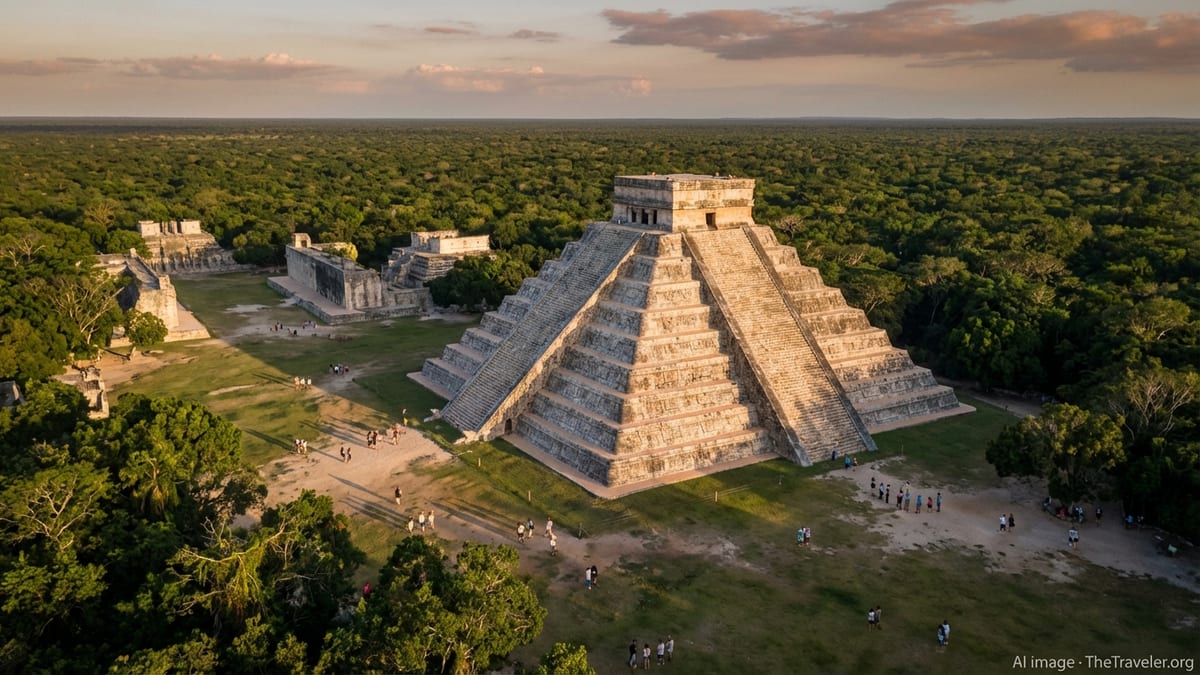
Chichén Itzá: Iconic Maya Capital of the Yucatán
No first trip to Mexico feels complete without seeing Chichén Itzá, the most famous Maya site and one of the country’s busiest archaeological zones. The star attraction is El Castillo, or the Temple of Kukulkán, whose stepped pyramid shape has become a symbol of Mexico itself. The surrounding plazas, temples and ball courts reveal how this city once dominated the northern Yucatán Peninsula.
Plan to arrive as close to opening time as possible to enjoy the site in cooler temperatures and before tour buses arrive from Cancún and the Riviera Maya. The flat pathways and clear signage make it relatively easy to explore, but shade is limited, so sun protection and water are essential. Guided tours are widely available in English and other languages, and a good guide can bring the city’s astronomy, religion and politics vividly to life.
Recent investments have improved visitor infrastructure around Chichén Itzá, including a new museum that places many artifacts in context. Even with these additions, the core experience remains walking among stone structures that align with equinoxes, echo with the acoustics of ritual ball games and look out across the low, forested landscape. Many travelers combine a morning at the ruins with an afternoon swim in a nearby cenote.
Teotihuacan: Pyramids on the Edge of Mexico City
Just outside Mexico City, Teotihuacan offers a very different vision of the ancient Mesoamerican world. Long before the Aztecs, this metropolis was a powerful center of trade, religion and culture, with grand avenues and enormous pyramids. Today visitors can walk the broad Avenue of the Dead, framed by platforms and temples, and gaze up at the massive Pyramid of the Sun and Pyramid of the Moon.
The scale of Teotihuacan is impressive and distances can be longer than they appear, so comfortable shoes are important. Climbing access to the main pyramids can vary over time for conservation and safety reasons, but even when stairs are closed the views from lower terraces and surrounding platforms are striking. As at many high altitude sites around Mexico City, the sun can feel intense even on cooler days, making hats and sunscreen advisable.
Many visitors join half day trips from Mexico City, often combined with a stop at the Basilica of Guadalupe or traditional crafts workshops. Independent travelers can arrive by bus or taxi and hire a local guide at the entrance. To better appreciate the ruins, it helps to read or listen in advance about Teotihuacan’s mysterious decline and its influence on later cultures that revered the city as a place of the gods.
Mexico City’s Historic Center and National Museum of Anthropology
Mexico City is often a surprise for first time visitors, combining dense history with a thriving contemporary culture. The historic center, or Centro Histórico, is anchored by the vast Zócalo plaza, the Metropolitan Cathedral and the ruins of the Templo Mayor, once the religious heart of the Aztec capital Tenochtitlan. Walking nearby streets reveals ornate palaces, government buildings and bookshops, along with cafés where you can pause and watch city life unfold.
From the center it is an easy journey to Chapultepec Park, one of the world’s largest urban green spaces, where the National Museum of Anthropology presents Mexico’s pre Hispanic civilizations in an accessible way. Its galleries hold treasures from cultures across the country, including the celebrated Aztec Stone of the Sun and monumental Olmec heads. Even a focused visit of two or three hours can significantly deepen your understanding of sites you may visit elsewhere on your trip.
Allow time simply to experience Mexico City’s atmosphere beyond its marquee attractions. Neighborhoods like Roma, Condesa and Coyoacán offer leafy streets, markets and small museums, plus excellent food ranging from street tacos to innovative contemporary restaurants. Many travelers choose to begin or end their trip here, using the capital as both a cultural highlight and a practical transportation hub.
Oaxaca City and the Archaeological Site of Monte Albán
In southern Mexico, Oaxaca City captivates with its golden stone churches, lively markets and creative culinary scene. The compact center is easily explored on foot, with the pedestrian stretch of Macedonio Alcalá Street leading from the main square to the striking Santo Domingo church complex. Along the way you will pass galleries, mezcal bars and shops selling textiles from villages across the state.
Just above the city on a ridge lies Monte Albán, one of Mexico’s most important archaeological sites. Once the capital of the Zapotec civilization, it commands sweeping views of the valleys below. Visitors wander among plazas, terraces and tombs that reveal an advanced urban society which flourished for more than a thousand years. The combination of highland light, open space and stone architecture is particularly atmospheric in the early morning.
Oaxaca makes an excellent base for several days, especially for first time visitors interested in food and culture. Markets like 20 de Noviembre and Benito Juárez brim with moles, chocolate, cheeses and chapulines, while day trips can take you to artisan villages, mezcal distilleries and natural sites such as petrified waterfalls. The region’s rich Indigenous traditions remain very much alive, and respectful travelers have many opportunities to learn directly from local communities.
Guanajuato: Colorful Hills and Subterranean Streets
For many travelers, Guanajuato offers the quintessential image of a central Mexican city. Colorful houses cascade down steep hills, narrow lanes called callejones twist between buildings and a tangle of former riverbeds and tunnels serves as an unusual network of streets. The historic center, a UNESCO listed former silver mining hub, retains grand theaters, churches and civic buildings from its boom years.
First time visitors quickly discover that Guanajuato is made for walking, though some climbs can be steep. A funicular carries you up to the Pípila monument, where the broad view reveals the full sweep of the city and surrounding hills. At street level, cafés and plazas fill with students and families, particularly in the evenings when strolling and live music are part of the daily rhythm.
Guanajuato also offers insight into Mexico’s struggle for independence, with key events commemorated in its museums and monuments. The city’s manageable size, pedestrian friendly core and student energy make it a pleasant place to spend a few days, either as part of a loop through central Mexico or as a side trip from larger cities like Mexico City or Guadalajara.
San Miguel de Allende: Colonial Charm and Artistic Energy
Not far from Guanajuato, San Miguel de Allende draws visitors with its harmonious colonial architecture and strong community of artists and expatriates. The pink spires of the Parroquia de San Miguel Arcángel rise above the central plaza, creating one of the most photographed church facades in the country. Cobblestone streets radiate outward, lined with courtyards, galleries and rooftop terraces.
San Miguel rewards slow exploration. Morning light brings out warm tones in the stone and stucco walls, while evenings see the main square fill with music and conversation. The city’s many small museums and cultural centers showcase regional history and contemporary art, and there is a well developed calendar of festivals, workshops and performances throughout the year.
For first time visitors, San Miguel can provide a gentle introduction to Mexico, with a wide range of accommodations, bilingual services and walkable streets. At the same time, it remains a living Mexican city beyond its visitor appeal, with neighborhoods like the artisans’ district offering a more everyday perspective. Combining San Miguel with Guanajuato creates a satisfying central highlands segment in a broader Mexico itinerary.
Tulum and the Caribbean Coast
The Caribbean coastline of Quintana Roo is often the first part of Mexico that international travelers experience, and Tulum has become one of its most recognizable names. The archaeological site occupies a dramatic location on low cliffs above the sea, where Maya temples and walls look out over turquoise water. The combination of beach and ruins makes it an especially photogenic stop.
Just south and north of the site stretch long beaches lined with hotels and beach clubs, ranging from simple cabanas to high end properties. The sand is fine and pale, and the sea typically calm, though conditions can vary with weather and seasonal seaweed. Inland from the coast, freshwater cenotes and the Sian Ka’an Biosphere Reserve offer opportunities for swimming, snorkeling and wildlife watching.
The popularity of Tulum means it is important to plan with realistic expectations. Prices are higher than in many other parts of Mexico, and infrastructure can be stretched in high season. That said, with some research it is still possible to find quieter stretches of beach, locally run guesthouses and small restaurants serving Yucatán specialties. For first time visitors focused on sun and sea, Tulum and the broader Riviera Maya provide an easy to access introduction, especially when combined with inland sites like Chichén Itzá or Valladolid.
Puerto Vallarta and the Pacific Coast
On the opposite side of the country, the Pacific resort city of Puerto Vallarta offers a different coastal experience. Framed by the forested Sierra Madre mountains and the wide arc of Banderas Bay, it combines beaches and marine life with a walkable historic center. The seafront malecón is a focal point, with sculptures, performers and sunset views drawing both locals and visitors each evening.
The city’s traditional core, sometimes called the Romantic Zone, retains cobbled streets, small plazas and whitewashed buildings with red tile roofs. Nearby beaches range from lively stretches close to town to quieter coves reachable by boat or winding coastal roads. During certain times of year, whale watching tours operate in the bay, and snorkeling and sailing excursions are popular.
Puerto Vallarta is a practical choice for first time visitors who want a beach break combined with a sense of local life. It offers a wide range of accommodations, from large all inclusive resorts to small hotels and apartment rentals, along with a notable dining scene. Day trips to nearby fishing villages, mountain towns and jungle rivers round out the experience and highlight the varied landscapes of Mexico’s Pacific coast.
Cancún and Isla Mujeres: Gateway to the Yucatán
Cancún is one of Mexico’s major international gateways, and many first time visitors begin or end their trips here. The city is divided between the hotel zone, a long strip of resorts along a barrier island, and the inland downtown area where much of the local population lives. The beaches bordering the Caribbean Sea are wide and bright, with color changes in the water that shift from pale turquoise near shore to deep blue offshore.
While Cancún itself is known for large hotels and nightlife, it is also a convenient base for day excursions. Popular options include trips to Isla Mujeres, a small island with calmer waters and a more relaxed feel, as well as visits to nearby cenotes, eco parks and archaeological sites. Public transport and organized tours make it relatively straightforward to move between these destinations.
For travelers who value familiar services, English language support and frequent flights, Cancún can provide an accessible introduction to Mexico, particularly when combined with slower paced stays in smaller towns or on neighboring islands. As with other coastal areas, conditions such as currents and seaweed can vary by season, so it is worth checking recent reports when planning beach focused days.
The Takeaway
Mexico is too large and varied to fully grasp in a single visit, but these ten attractions offer a solid foundation. From the pyramids of Chichén Itzá and Teotihuacan to the colonial streets of Oaxaca, Guanajuato and San Miguel de Allende, and from Caribbean sands to Pacific bays, they highlight different facets of the country’s history and geography.
First time visitors will get the most from their trip by limiting the number of regions they try to cover, allowing enough time in each place for both sightseeing and simple wandering. Flexibility is valuable, as weather, holidays or local events may alter opening hours or crowd levels. With thoughtful planning and an open attitude, these destinations can serve not just as individual highlights but as the beginning of a longer relationship with Mexico and its many cultures.
FAQ
Q1. How many of these attractions can I reasonably see on a first trip to Mexico?
Most travelers can comfortably visit two or three regions in a 10 to 14 day trip, for example Mexico City and the central highlands, or the Yucatán Peninsula combined with a few days on the Caribbean coast.
Q2. Is it better to start in Mexico City or at a beach destination like Cancún?
Both approaches work well. Starting in Mexico City offers a strong cultural immersion, while beginning at the beach can provide a gentler adjustment to time zones and climate before heading inland.
Q3. Do I need to speak Spanish to visit these places?
In major destinations such as Mexico City, Oaxaca, Cancún, Puerto Vallarta and Tulum, many people working in tourism speak at least basic English, though learning a few Spanish phrases will make travel easier and more rewarding.
Q4. How far in advance should I book hotels and tours for these attractions?
For high season periods, such as major holidays and winter months in coastal areas, it is wise to book key accommodations and any must do tours several weeks or more ahead; in shoulder seasons, there is often more flexibility.
Q5. Are these attractions suitable for families with children?
Yes, many families enjoy a mix of ruins, cities and beach time. Archaeological sites involve walking and exposure to sun, so pacing the day, bringing snacks and planning swims or park visits afterward works well with younger travelers.
Q6. What is the best time of year to visit Mexico for a first trip?
Generally, the drier months from November to April are popular across much of the country, with cooler temperatures in the highlands and warm but less humid conditions on many coasts.
Q7. How should I move between these destinations?
Mexico has an extensive network of domestic flights linking major cities and resort areas, along with comfortable long distance buses that are a practical option for many routes in the central and southern regions.
Q8. Is it necessary to join guided tours at ruins like Chichén Itzá and Teotihuacan?
It is possible to visit independently, but many first time visitors find that hiring a licensed guide at the entrance or joining a small group tour provides useful context and helps bring the sites to life.
Q9. How can I avoid crowds at the most popular attractions?
Arriving near opening time, visiting outside peak holiday periods and considering late afternoon visits where possible can significantly reduce crowd levels at major archaeological sites and beaches.
Q10. What should I pack for a trip that includes both cities and beaches?
A mix of lightweight layers, comfortable walking shoes, sun protection, a hat and modest clothing for churches and rural areas works well, along with swimwear and sandals for coastal stops.