

More news on this day
A new crop of budget-conscious travelers is reshaping how Americans book hotels, prompting major chains to reinvent low-cost stays and helping one fast-growing premium-economy brand emerge as a clear bellwether for where value travel is heading next.
Get the latest news straight to your inbox!
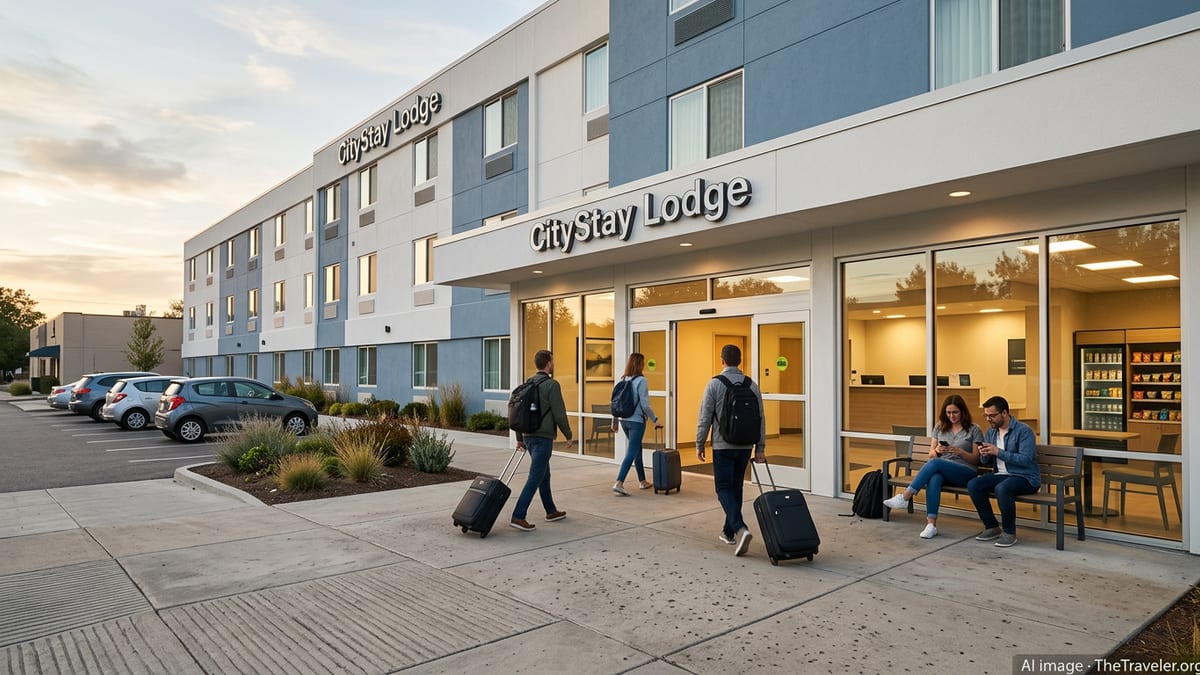
Budget Travelers Are Back, But Their Priorities Have Changed
After several years of price volatility and shifting demand patterns, the U.S. hotel market is seeing a renewed focus on value as travelers try to stretch their budgets without giving up comfort. Industry reports indicate that many guests are trading down from full-service or upscale properties into midscale, premium economy, and extended-stay hotels, particularly for domestic trips and drive-to destinations. Travelers are accepting fewer frills, but not a return to the no-frills roadside motel experience of decades past.
Publicly available data from hotel analytics firms shows that construction and conversion pipelines are now heavily concentrated in the midscale and upper-midscale tiers, where limited-service and extended-stay properties dominate new projects. Those segments together account for a majority of hotel projects in the U.S. pipeline, underscoring how developers are betting that budget-conscious demand will remain strong over the next several years. Economy hotels, though a smaller share of the pipeline by room count, are also seeing renewed owner interest as developers look for lower-cost builds and conversions.
At the same time, the definition of “budget” is evolving. For many travelers, value is no longer just the lowest nightly rate, but a mix of price, consistency, and small but meaningful comforts such as reliable Wi-Fi, functional workspaces, and access to basic food options. This shift is encouraging hotel groups to launch more focused brands that promise lean operations and standardized essentials rather than broad amenity lists.
Digital behavior is reinforcing the trend. Recent travel and distribution studies highlight that more Americans are starting their trip planning with familiar hotel brands rather than generic search results, a sign that loyalty programs and recognizable value-focused flags are becoming a primary filter for budget-minded guests looking to avoid surprises at check-in.
Premium Economy Hotels Step Into the Spotlight
Within the broader budget category, a distinct premium economy niche has emerged as one of the most closely watched segments in the United States. These hotels typically sit between classic economy motels and traditional midscale properties, offering streamlined rooms, updated common areas, and a short list of predictable amenities at rates that undercut many full-service competitors.
Industry coverage points to premium economy as a strategic response to rising construction and labor costs, which make it challenging to deliver truly low nightly rates without sacrificing quality. By focusing on conversions of existing hotels and emphasizing efficient layouts, these brands aim to keep development expenses in check while refreshing older assets that no longer meet higher midscale standards. For guests, the result is a product that feels more contemporary than legacy roadside properties but still fits within tight leisure and business travel budgets.
The segment is also benefiting from changes in work and lifestyle. As more people combine business trips with leisure days, or book short domestic getaways instead of long international vacations, there is greater demand for dependable but moderately priced rooms in secondary cities, suburbs, and along major highway corridors. Premium economy brands are positioning themselves as the go-to choice for these trips, favoring markets where traditional upscale hotels are scarce or priced beyond what many travelers are now willing to pay.
Developers, meanwhile, are drawn to the economics of this model. Limited food-and-beverage operations, lean staffing, and standardized design packages can help keep operating margins attractive even as nightly rates remain relatively modest, making premium economy a compelling growth story inside many of the largest U.S. hotel systems.
Spark by Hilton Emerges as a Bellwether for the New Budget Wave
Among the latest generation of value-focused brands, Spark by Hilton has quickly become a key reference point for how premium economy is taking shape in the U.S. Launched as Hilton’s first dedicated premium economy flag, Spark was designed primarily as a conversion brand, allowing owners to rebrand older hotels under a standardized set of service and design expectations without the capital intensity of building from the ground up.
According to public information from Hilton and industry analyses, Spark has grown rapidly since its announcement, adding hundreds of franchised properties and thousands of rooms worldwide in just a few years. Many of those openings have been in the United States, including in smaller cities and along interstate corridors where budget-conscious guests represent a large share of demand. The brand’s expansion into Canada, Europe, and Latin America further underscores its role as a cornerstone of Hilton’s value strategy, but domestic travelers are at the center of its growth story.
Spark’s formula reflects the broader direction of U.S. budget travel. The brand emphasizes reliable basics such as clean, bright rooms, complimentary breakfast offerings, and simplified public spaces over elaborate amenities. Design cues are modern but restrained, favoring durable finishes and efficient layouts. Self-service options play a bigger role, and technology is used to streamline check-in and reduce friction around everyday interactions, a combination that resonates with travelers who want predictability without paying for extras they rarely use.
The pace of Spark’s development pipeline has also signaled to owners that premium economy is more than a niche experiment. As more franchise agreements are signed and conversions come online, the brand is helping to set guest expectations for what “new budget” can look like in the U.S., nudging competitors to accelerate their own offerings in adjacent segments.
Extended-Stay and Hybrid Models Capture Budget Demand
While traditional roadside motels and limited-service hotels remain core to the budget narrative, extended-stay and hybrid products are increasingly central to how value travel is evolving. Industry bulletins on the U.S. lodging sector show that extended-stay hotels now account for a substantial share of the national development pipeline, with mid-price and economy tiers seeing particularly steady growth.
These properties are attracting a mix of guests, from project-based workers and relocating families to digital nomads and so-called “slomads” who stay longer in one place. Kitchenettes, laundry access, and flexible public spaces allow guests to cut costs by cooking their own meals and settling into a routine, which can make a modest nightly rate stretch much further than a comparable traditional hotel stay.
Major hotel groups have responded with a wave of new extended-stay and apartment-style brands positioned near the budget end of the market. Some focus on smaller rooms and limited housekeeping to reduce operating costs, while others are experimenting with modular construction and standardized design kits to shorten build times. The common thread is a promise of longer-stay value without sacrificing safety, reliability, or basic comfort.
Beyond classic hotels, a growing ecosystem of platforms is helping travelers unlock budget-friendly daytime or micro-stay options inside existing properties. These services connect users with unsold inventory for a few daylight hours, offering an inexpensive way to rest, work, or refresh between flights. For consumers, they represent another tool for managing travel costs; for hotels, they create incremental revenue streams that support the economics of operating value-focused brands.
How This New Budget Wave Could Shape Future U.S. Trips
The rise of premium economy, extended-stay, and other value-focused concepts suggests that the U.S. travel landscape is moving toward a more stratified but also more flexible set of choices for budget-conscious guests. Instead of a single, lowest-price option, travelers are increasingly choosing from a spectrum of stays calibrated to trip length, purpose, and desired level of comfort.
As brands like Spark by Hilton expand their footprints, they are likely to influence not just where people stay, but how they plan trips in the first place. Greater brand recognition and a clearer promise of what a budget stay entails may encourage more travelers to venture into secondary markets, confident they will find a familiar level of service and design at a predictable price point.
For destinations across the United States, the trend could bring more even distribution of visitor spending, particularly in smaller cities and along regional corridors that historically lacked newer hotel stock. If development and conversion pipelines translate into actual openings over the next several years, many communities may see a fresh wave of competitively priced rooms that cater to road trippers, regional business travelers, and families looking to keep lodging as a smaller share of their overall vacation budget.
At the same time, the success of leading value brands is likely to keep competitive pressure on nightly rates and amenity offerings, forcing hotels at all price points to clarify what they stand for. For budget travelers, that competition may translate into a more transparent, more consistent, and ultimately more empowering set of choices the next time they search for a place to stay.