

More news on this day
Adventure Life is widening its global footprint in tailor-made travel, expanding a portfolio of custom and small-group itineraries that pair remote destinations with expert-led experiences and flexible, privately guided extensions.
Get the latest news straight to your inbox!
Broader Custom Travel Portfolio Spans All Seven Continents
Publicly available information shows that Adventure Life now promotes custom and small-group trips across all seven continents, combining land-based itineraries with expedition cruises and river journeys. The company, which began with a focus on Latin America, has progressively layered in polar expeditions, African safaris, and Asian cultural routes, creating a broad catalog that can be adapted as private, tailor-made journeys.
Reports indicate that this expanded portfolio emphasizes modular trip design, allowing travelers to combine city stays with wilderness extensions, or to link multiple countries within a single itinerary. Sample trips highlighted in recent coverage include combinations such as Patagonia with Antarctica, Galapagos with the Amazon, and African safaris paired with Indian Ocean beaches.
The wider range of options also reflects a shift toward longer, more in-depth travel. Industry analyses of the adventure sector point to increasing demand for itineraries that go beyond quick highlights, favoring slower pacing, remote lodges, and expedition vessels that linger longer in hard-to-reach regions.
By aligning its portfolio with these trends, Adventure Life is positioning itself among operators that specialize in immersive, multi-country journeys supported by local guides and subject-matter experts.
Expert-Led Journeys Gain Ground Among Adventure Travelers
Across the high-end adventure market, expert-led trips are emerging as a defining feature of new product launches, and Adventure Life’s expansion appears to follow this trajectory. Comparable programs from other operators showcase historians, wildlife biologists, photographers, chefs, and cultural specialists traveling alongside guests to interpret landscapes, wildlife, and heritage sites in real time.
National and international travel media have reported that travelers increasingly seek trips that combine comfort with access to academic or field expertise, whether through lectures aboard small ships, guided walks in remote ecosystems, or workshops on photography, wellness, food, and conservation. These formats are influencing how companies like Adventure Life structure their own departures and private itineraries.
Within this context, Adventure Life’s strengthened lineup of custom and small-group journeys emphasizes guided experiences such as in-depth wildlife observation, archaeological touring, and community-based cultural encounters. The expert component is often paired with local guiding teams, reflecting a broader industry move toward deeper place-based interpretation and more robust safety and logistics support in remote settings.
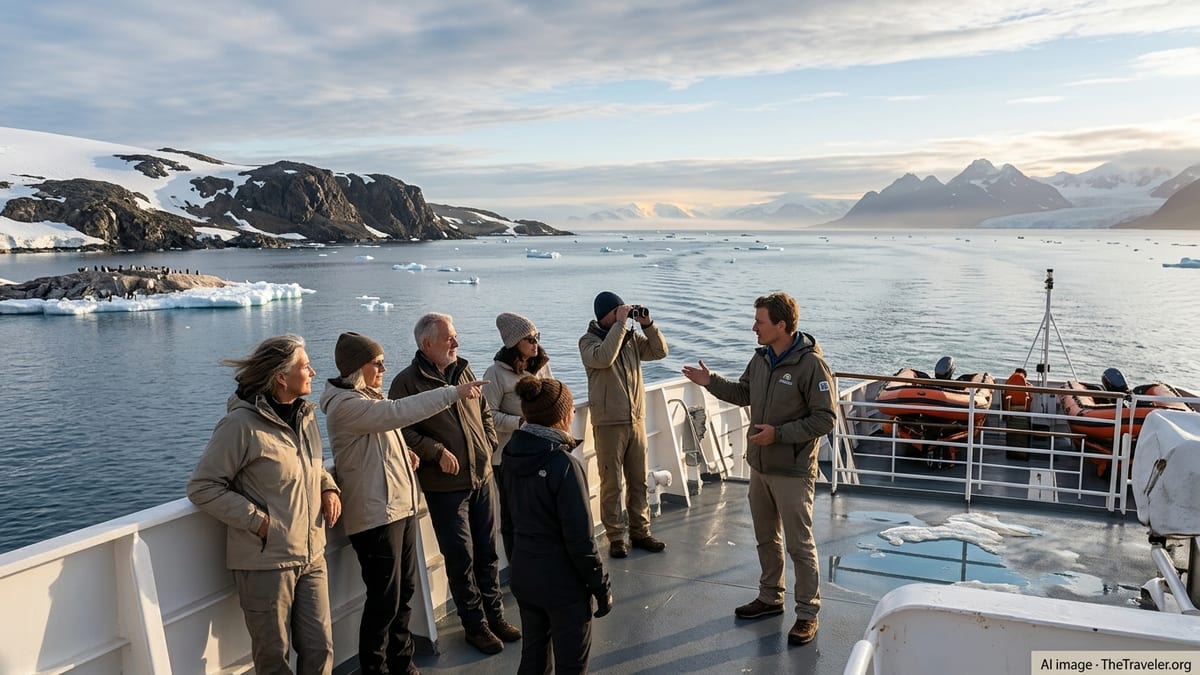
This focus on expertise is particularly evident on polar and wilderness programs, where expedition staff and specialist guides help travelers navigate challenging environments, adhere to conservation guidelines, and understand the scientific and cultural narratives of the regions they visit.
Remote and Exotic Destinations Drive New Itineraries
Adventure Life’s expanded custom portfolio puts strong emphasis on what the industry commonly describes as exotic or hard-to-reach destinations. These include polar regions such as Antarctica and the Arctic, wildlife-rich archipelagos like the Galapagos, far-flung corners of Patagonia, and sections of the Amazon basin that are most easily accessed by small ships or riverboats.
Recent coverage of the adventure cruise and expedition sector notes rising interest in places that were once considered niche, including lesser-visited parts of Indonesia, remote areas of Central Asia, and coastal stretches of Africa that are opening up to small-ship exploration. Operators are responding by designing itineraries that balance headline destinations with off-the-radar stops, often using expedition vessels and charter flights to reach more isolated communities and natural areas.
Adventure Life’s custom travel framework allows these destinations to be configured as stand-alone trips or combined into extended, multi-week journeys. Travelers can, for example, link time in the Peruvian Andes with an Amazon river cruise, or pair a classic safari with trekking or coastal extensions in neighboring countries.
Such itineraries are typically structured around seasonal wildlife events, cultural festivals, or ideal weather windows. Publicly available trip descriptions point to careful timing in regions like Antarctica, where access is limited to a short austral summer season, and to equatorial destinations, where rainfall patterns dictate when remote lodges, trails, and marine sites are most accessible.
Small-Ship and Expedition Travel Remains Central
The company’s expanded offerings reflect a broader surge of interest in small-ship and expedition cruising. Cruise industry reports over the past year describe strong growth in itineraries that feature vessels carrying fewer passengers, often under 250 guests, with even more intimate options on yachts and expedition ships with several dozen travelers.
Adventure Life continues to integrate such voyages into its custom portfolio, using small ships as moving base camps in regions where infrastructure on land is limited. Examples highlighted in publicly available materials include Galapagos expedition yachts, Antarctic and Arctic vessels equipped with fleets of inflatable boats, and coastal cruisers exploring fjords, islands, and wildlife reserves.
Analysts note that small-ship formats enable access to narrower inlets, shallow bays, and protected areas that are off limits to larger vessels. For travelers, this typically means more frequent landings, closer wildlife encounters under strict guidelines, and a higher ratio of guides and naturalists to guests.
Within Adventure Life’s custom approach, small-ship journeys are often combined with land extensions before or after sailing, such as time in gateway cities, highland trekking, or stays at ecolodges and boutique hotels. This hybrid model aligns with a sector-wide shift toward more varied, land-and-sea itineraries that appeal to travelers seeking both comfort and a sense of exploration.
Customization, Sustainability, and Demand Outlook
Customization sits at the core of Adventure Life’s current positioning, in step with industry data that points to growing preference for private or semi-private travel formats. Prospective guests are increasingly requesting tailored pacing, specific activity levels, and accommodations that match personal interests, wellness needs, or family requirements.
Reports from across the adventure travel sector also highlight the rising importance of sustainability standards and community engagement. Many operators now emphasize partnerships with locally owned lodges, use of regional guides, support for conservation initiatives, and adherence to best practices in sensitive environments. Adventure Life’s publicly available materials reference similar priorities, including limits on group size and attention to environmental guidelines in national parks and marine reserves.
Market analyses suggest that demand for immersive, expert-led travel is likely to remain strong, supported by travelers who are booking further in advance and allocating more of their budgets to fewer, more substantive trips. Remote destinations, particularly those accessible by small ships and specialist guides, are projected to benefit from this trend.
With a broader custom portfolio, expanded access to exotic regions, and a growing emphasis on expert-led experiences, Adventure Life is aligning its strategy with these long-term shifts in traveler behavior, positioning the company to capture a share of the next wave of high-engagement global exploration.