

More news on this day
Afghanistan is taking a rare step into the global digital travel economy with the rollout of a national e-visa portal, a move that signals fresh ambitions to revive tourism and reframe the country’s image for international visitors.
Get the latest news straight to your inbox!
A Digital Gateway To A Tightly Controlled Destination
Publicly available information from Afghanistan’s Ministry of Foreign Affairs shows that the government has activated an official online visa platform intended to centralize and standardize applications from overseas travelers. The portal, linked to the ministry’s consular services, allows foreign nationals to submit forms electronically, upload documents and generate a registration printout before presenting their passport at designated Afghan missions or visa-issuing points.
The e-visa system sits alongside existing arrival visas that are still tied to invitations from domestic or international organizations operating in the country. By moving the first stage of the process online, Afghan authorities appear to be seeking better visibility over who is entering the country, while offering a more familiar digital interface to travelers used to similar systems in destinations such as Iraq and Gulf states.
The launch also builds on earlier steps to digitize Afghan travel documents, including previous online passport application services. Together, these initiatives point to a wider strategy to modernize border and identity management, even as Afghanistan remains one of the world’s most restricted passports for outbound travel.
For inbound visitors, the new portal effectively becomes the main front door for legal entry, setting technical standards and data requirements that align Afghanistan with broader regional trends in electronic migration systems.
Tourism Hopes Rise Despite Security And Perception Hurdles
Reports from regional media and travel industry commentary indicate that the e-visa rollout is being closely watched by tour operators who have maintained limited, highly controlled itineraries in Afghanistan over recent years. Easier digital pre-clearance is seen as a prerequisite for any scaled return of foreign tourism to destinations such as Kabul, Bamiyan, Herat and the Wakhan Corridor.
The government has repeatedly highlighted visa issuance figures in recent years as evidence of growing international engagement, pointing to hundreds of thousands of visas granted across business, humanitarian, religious and visiting categories. While most of that traffic is still driven by regional mobility and aid-related travel, a small but visible segment is adventure and cultural tourism, often organized through specialized agencies familiar with local security conditions.
The new e-visa portal is intended to lower procedural friction for this niche market, shortening lead times and reducing the need for in-person paperwork at consulates abroad. Analysts note, however, that any substantial growth in tourism will still depend on risk assessments issued by foreign governments, airline connectivity, and travelers’ confidence in on-the-ground security guarantees.
Travel observers say Afghanistan’s move mirrors a broader pattern in which destinations with complex security profiles use digital systems to project stability and predictability to potential visitors, even when overall conditions remain fluid.
How The New E-Visa System Is Structured
Details published on the official consular pages describe an application flow that begins online and concludes with document verification at Afghan diplomatic or consular posts. Applicants are asked to complete an electronic form, provide personal and passport data, select a visa category and print the finalized application to present alongside their original travel document.
Visa types span short-term visits, with options for tourism, business and other specified purposes. For applicants under 18, the system includes additional safeguards, requiring written consent from parents or legal guardians, or supporting documentation that confirms guardianship through local authorities.
The portal is designed as part of a broader e-consulate platform that also supports other consular functions. Technical documentation and tender material released in recent years describe a long-term plan for an integrated national portal, connecting immigration databases, border posts and service centers to a central backbone.
By digitizing front-end applications, Afghan institutions gain earlier access to traveler data, which can be cross-checked against internal watchlists before a visa is granted. For travelers, the promise is a clearer, trackable process that resembles e-visa systems already familiar across Asia and the Middle East.
Positioning Afghanistan In A Competitive Regional Tourism Market
The shift to an online visa platform comes as regional rivals invest heavily in frictionless entry to capture post-pandemic tourism demand. Neighboring and nearby countries have introduced or expanded e-visa and visa-on-arrival schemes in an effort to attract visitors with simpler digital processes, integrated payment gateways and rapid approvals.
Afghanistan’s e-visa portal positions the country not only as a late entrant to this space but also as an outlier, given parallel travel restrictions affecting Afghan nationals in many destinations. While Afghans themselves face tightened visa rules abroad, Kabul is moving in the opposite direction for inbound travelers, betting that easier access and clear procedures will help draw in tour groups, business delegations and diaspora visitors.
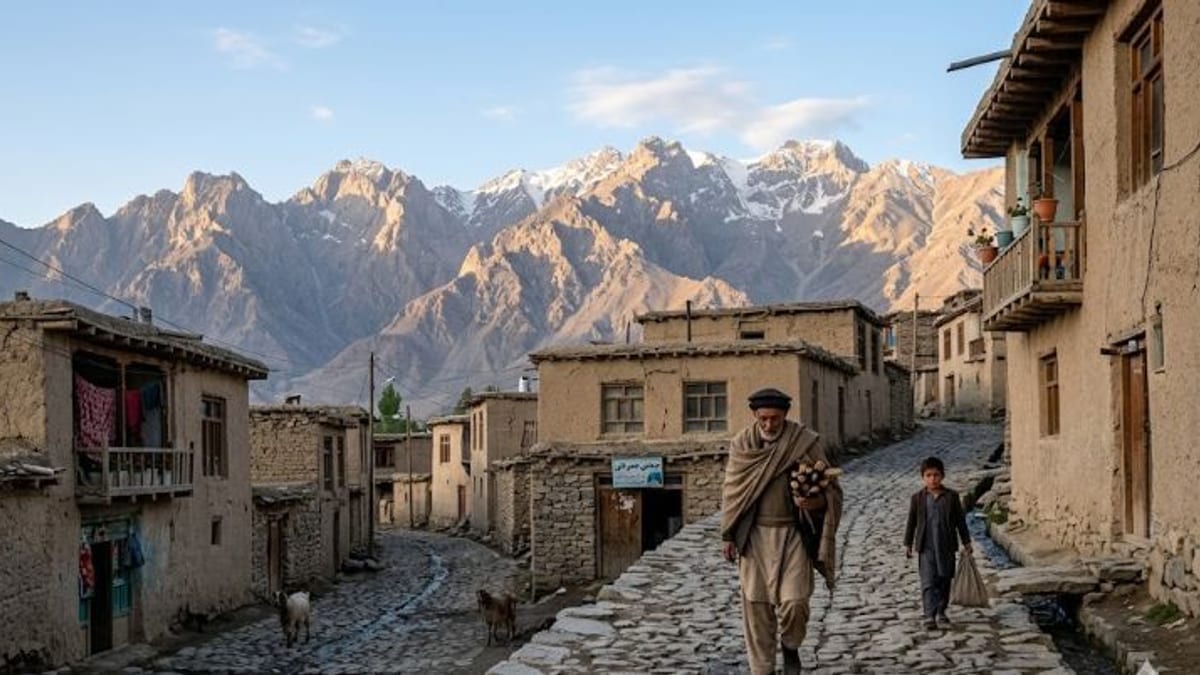
Tourism observers note that the country’s cultural and natural assets remain significant, from Silk Road heritage sites to dramatic mountain landscapes. The e-visa initiative is being interpreted as an attempt to translate that potential into measurable arrivals, overnight stays and local spending, particularly in urban centers and historically significant valleys where basic tourism infrastructure still exists.
Industry commentary also suggests that a functioning e-visa system can support conference tourism, religious visits and cross-border trade, creating multiple channels of demand that are less vulnerable to seasonal swings.
Practical Considerations For Prospective Visitors
For travelers considering Afghanistan, the new e-visa system does not remove the need for careful preparation. Most foreign governments continue to issue strong security advisories, and commercial flight options remain limited and subject to change. Travel insurance coverage for Afghanistan can be restricted, and many policies exclude destinations under elevated risk designations.
Experts advise that anyone using the e-visa portal should verify current entry rules, including any distinctions made for dual nationals and those with previous Afghan citizenship. Recent clarifications by Afghan authorities have, for example, addressed visa exemptions for some dual nationals, underlining the importance of checking status-specific regulations before departure.
Tour operators with experience in the country emphasize the need to coordinate closely on routes, local guides, and accommodations that comply with prevailing regulations. The digital visa is only one element of a broader travel plan that must take account of curfews, regional permissions and local customs.
Even so, the emergence of an official, centralized e-visa portal marks a notable turning point. In a region where seamless digital entry is increasingly seen as the foundation of competitive tourism, Afghanistan’s decision to go online signals that it wants a place on the map for travelers prepared to navigate its unique mix of opportunity and risk.