

More news on this day
Air Canada is pressing ahead with a new route to a major U.S. leisure destination even as many Canadians shun trips south of the border in protest over trade tensions and hardening political rhetoric, underscoring the airline’s long-term bet that cross border travel will eventually rebound.
Get the latest news straight to your inbox!
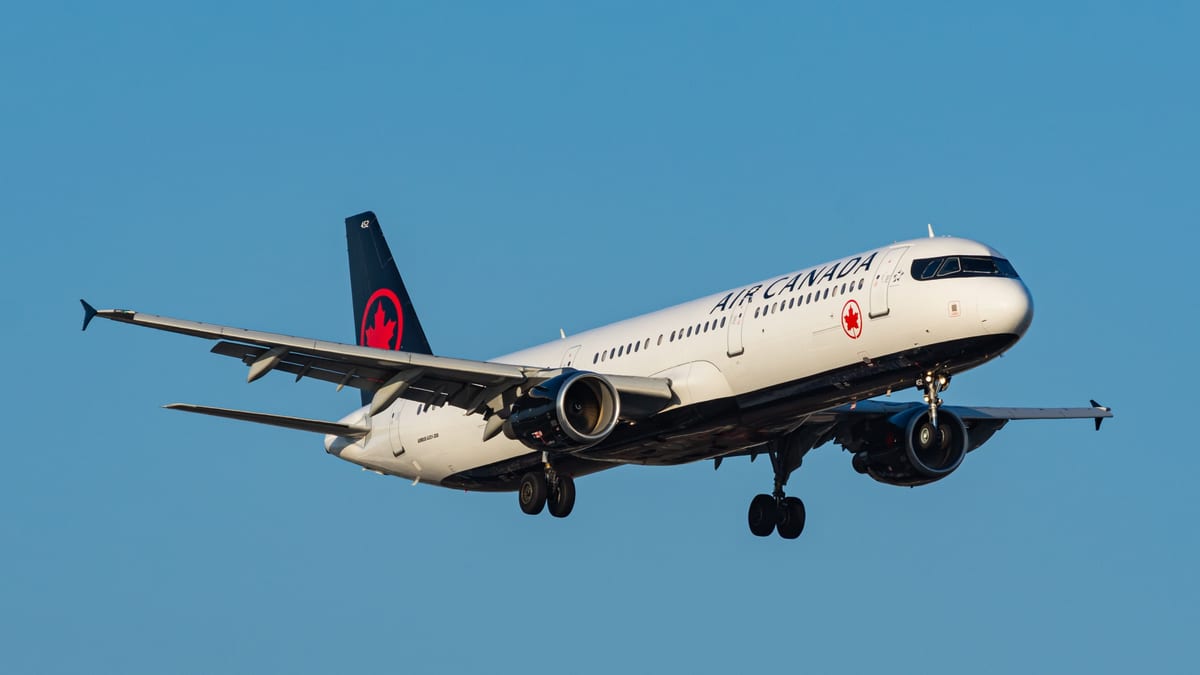
Image by TheTravel
A New U.S. Route in the Middle of a Backlash
The new service, outlined in recent schedule filings and industry briefings, connects a major Canadian gateway to a high profile American vacation city that has historically drawn strong demand from Canadian travelers. The route is scheduled to launch in the coming months, positioning Air Canada to capture traffic should sentiment toward U.S. travel begin to soften.
The move comes at a time when multiple Canadian carriers have been trimming or suspending U.S. routes after a sharp downturn in demand. Reports indicate that airlines including WestJet, Porter, Flair and Air Transat have all reduced capacity to American cities, pivoting aircraft into domestic and transatlantic markets where bookings have remained more resilient.
Air Canada has also reduced overall seat capacity to the United States over the past year, but it has not withdrawn from the market to the same extent as some rivals. The decision to open a fresh U.S. route while others are cutting suggests the flag carrier aims to fine tune, rather than abandon, its cross border network.
Industry analysts note that even in periods of political tension, certain sun and leisure destinations can retain a loyal following, especially among travelers who prioritize climate, attractions and price over geopolitics. The airline appears to be betting that this new American destination still has enough pull with Canadians to support sustainable operations once the current boycott moderates.
Canadian Boycott Reshapes Cross Border Travel
The route launch is unfolding against the backdrop of a highly publicized Canadian boycott of U.S. goods and travel that emerged in early 2025 as relations between Ottawa and Washington deteriorated. Trade disputes, new tariffs and pointed rhetoric about Canada’s political status have collectively spurred many Canadians to avoid spending money in the United States.
Travel and tourism data cited in recent coverage show double digit declines in Canadian trips to the U.S. by both road and air. Statistics Canada figures highlighted in business and travel media point to months of steep year over year drops in car crossings, while airline booking data from firms such as OAG indicate that flights between the two countries have seen some of the sharpest pullbacks in years.
Several outlets report that the downturn is not simply a short term reaction but has taken on the characteristics of a broad consumer movement. Surveys conducted by Canadian pollsters and referenced in national media describe a significant share of would be U.S. visitors canceling or rebooking their holidays to alternative destinations, including Mexico, the Caribbean and Europe.
These shifts have immediate consequences for the aviation sector. Canadian airlines have cut frequencies on classic snowbird routes to Florida and other sun destinations, relinquished marginal routes to secondary American cities and reallocated aircraft to markets showing stronger growth. Airports and tourism boards in U.S. gateway cities have been scrambling to assess the longer term impact on visitor numbers and local economies.
Air Canada Balances Retrenchment and Selective Growth
Within this volatile environment, Air Canada’s network strategy has involved both retrenchment and targeted growth. Publicly available schedule data and corporate updates compiled by trade publications show that the airline has withdrawn from certain U.S. routes, including some services from Western Canada to Washington area airports, while at the same time boosting capacity to Latin America and Mexican resort destinations.
Industry reports indicate that Air Canada has faced a smaller percentage decline in U.S. bookings than some competitors, although the impact remains material. The carrier has acknowledged a drop in demand on U.S. bound routes, attributing the weakness to a combination of political tensions, travel advisories and unfavorable exchange rates that make American vacations more expensive for Canadians.
The decision to inaugurate a fresh link to a popular American leisure city fits into this pattern of selective growth. By targeting a market with historically strong two way demand and robust tourism infrastructure, the airline can test whether pockets of Canadian appetite for U.S. travel remain, even while overall traffic is down.
The timing also allows Air Canada to position itself ahead of a potential thaw in bilateral relations or a shift in consumer sentiment. If the political climate improves or if price sensitive travelers are eventually lured back by competitive fares, having the route already established could offer a strategic advantage over carriers that fully retreated from the United States.
Economic Stakes on Both Sides of the Border
The broader Canadian boycott of U.S. travel has raised alarms among tourism stakeholders in major American destinations. Analyses published by travel industry outlets and business media estimate that even a modest percentage drop in Canadian visitors can translate into billions of dollars in lost spending for states that rely heavily on cross border tourism.
Canada has long been one of the United States’ most important inbound tourism markets, particularly for nearby states and sunbelt destinations that attract winter escapees. The recent slide in arrivals has pressured hotels, attractions, restaurants and retail businesses that cater to Canadian guests, many of whom are known for extended winter stays.
For Air Canada, the economic calculus cuts both ways. Reducing U.S. flying can protect yields in the short term by preventing too much capacity from chasing too few passengers. At the same time, a sustained retreat from the market could cede ground to foreign competitors or alliance partners that maintain a footprint and are ready to ramp up when demand returns.
The new route therefore carries symbolic weight beyond its seat count. It signals that at least one major Canadian airline believes the U.S. market remains strategically important, even in an era when many Canadian travelers are looking elsewhere and the political relationship between the two countries is under strain.
What the Route Means for Future Canada U.S. Travel
Travel experts and aviation analysts watching the boycott’s evolution will be closely tracking performance on new and existing Canada U.S. routes over the next several seasons. Load factors, fare trends and booking curves on Air Canada’s latest American service will offer clues about whether Canadians are willing to separate personal travel choices from political frustrations.
Some observers point out that boycotts often begin with strong momentum before gradually easing as practical considerations deepen. Families with vacation homes, cross border relatives or sports and entertainment loyalties may find it increasingly difficult to sustain a blanket refusal to visit the United States, particularly if economic conditions or leadership change.
Others caution that the current downturn in U.S. bound travel appears more entrenched than previous dips, noting that alternative leisure corridors, such as Canada Mexico and Canada Caribbean routes, have reached record levels of demand. Airlines including Air Canada have significantly increased flying to these destinations, giving Canadians more non U.S. options than ever before.
For now, Air Canada’s decision to add a new route to a marquee American destination stands out as a contrarian move in a market defined by contraction. Whether it proves prescient or premature will depend on how long Canadians choose to keep the United States off their travel maps and how quickly political winds shift on both sides of the border.