

More news on this day
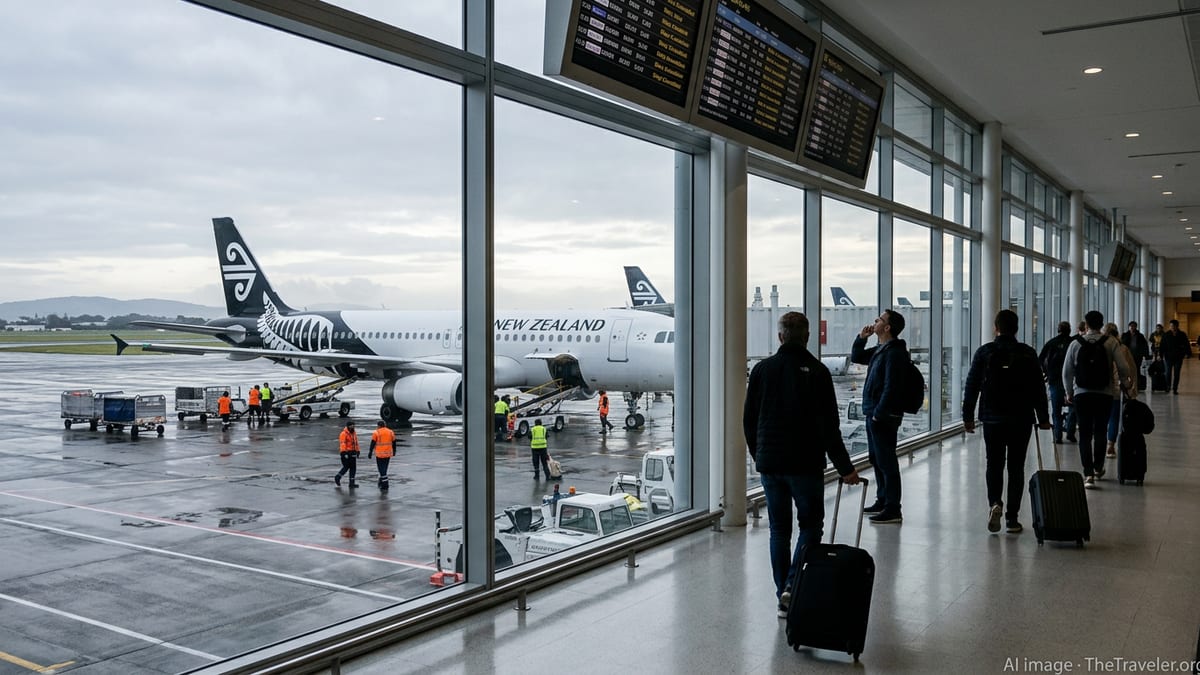
Air New Zealand will cancel around 1,100 flights between now and early May as soaring jet fuel prices linked to the escalating conflict in the Middle East force the carrier to pare back its schedule and brace for a turbulent period in global aviation.
Get the latest news straight to your inbox!
Middle East Conflict Sends Jet Fuel Costs Soaring
Air New Zealand’s move comes as airlines worldwide grapple with an abrupt spike in jet fuel prices, driven by the war involving Iran and its impact on key energy supply routes. The suspension of tanker traffic and attacks on oil and gas infrastructure across the region have squeezed global fuel supplies and pushed benchmark prices sharply higher, leaving carriers exposed to a sudden and unpredictable cost surge.
Analysts note that around a fifth of the world’s oil and significant volumes of liquefied natural gas normally move through Middle Eastern chokepoints. As those flows are disrupted, refiners have struggled to secure consistent feedstock, feeding through to higher prices at the jet fuel pump. For airlines already contending with inflation, wage pressures and aircraft supply constraints, the fuel shock is compounding an already fragile operating environment.
While fuel hedging can soften the blow of short term volatility, the scale and speed of the latest price jump has left even well-hedged carriers reassessing their capacity and pricing plans. Industry observers warn that if the conflict and associated supply disruptions persist, further schedule changes and fare increases could follow across multiple regions.
1,100 Flights Cut and 44,000 Customers Affected
Air New Zealand chief executive Nikhil Ravishankar said the airline will consolidate roughly 1,100 services over the next several weeks, affecting an estimated 44,000 passengers. The reductions, equivalent to about 5 percent of its schedule over the period, span both domestic and international operations but stop short of axing entire routes.
According to the airline, most of the cuts will fall on off peak and lower demand services, with peak travel periods and core trunk routes largely preserved to maintain connectivity. Regional centers such as Tauranga and other smaller cities will see selected frequencies removed, while key long haul links, including services to the United States that carry onward traffic to Europe, will continue to operate, albeit with some timing and frequency adjustments.
The carrier is prioritising customers with imminent travel, working through bookings to re accommodate passengers on alternative services where possible. Those whose flights are cancelled will be offered rebooking options or refunds, but the sheer scale of the changes means some travelers will face longer journey times, altered itineraries or limited seat availability during popular travel windows.
Rising Fares and Network Recalibration
Alongside the capacity cuts, Air New Zealand has already raised ticket prices on a range of routes to help offset the fuel shock. The airline earlier this week suspended its earnings guidance for the current financial year, citing unprecedented volatility in global fuel markets and warning that further network adjustments were under active consideration.
The decision to trim flights rather than remove routes entirely reflects a delicate balancing act between cost containment and preserving market presence. By cutting frequencies across the board and focusing on less busy services, the airline aims to reduce fuel burn and operating expenses while still offering a viable schedule to key domestic and international destinations.
Industry analysts say the shifts at Air New Zealand mirror moves by other carriers in Asia, Europe and the Middle East, many of which have introduced fuel surcharges, raised base fares or temporarily thinned their schedules. With aircraft and crew resources already tightly stretched after the pandemic recovery, the latest disruption is forcing airlines to fine tune networks yet again in response to an external shock.
Knock on Effects for New Zealand Travel and Tourism
The cancellations land at a sensitive time for New Zealand’s travel and tourism sector, which has been rebuilding after years of border restrictions and capacity constraints. Domestic travelers face the prospect of fewer flight options on some routes, particularly outside peak holiday periods, while international visitors may encounter more complex itineraries or higher prices when planning trips to and from the country.
Regional tourism operators, especially those in destinations reliant on air links from Auckland, Wellington and Christchurch, will be watching closely to see how the reduced schedule affects visitor flows over the coming weeks. Even modest reductions in frequency can lengthen connections and narrow travel windows, potentially deterring short break or business trips that depend on flexible flight times.
Air New Zealand has stressed that regional connectivity remains a priority and that the majority of flights will still operate as planned. However, with about 1.9 million passengers expected to travel on the airline over the same period, the disruption to 44,000 customers underscores how quickly a fuel price shock can ripple through a small but geographically dispersed aviation market.
Global Aviation Braces for Prolonged Volatility
The Middle East crisis is the latest in a series of external shocks to hit the aviation industry, following the pandemic, supply chain bottlenecks and prior energy price swings. Airlines in Europe, Asia and Oceania are now reassessing contingency plans for fuel supply and routing, as airspace disruptions and security concerns add further complexity to long haul operations.
Some carriers have already lengthened flight times or altered routings to avoid sensitive areas, adding to fuel consumption at the very moment when prices are spiking. Others are exploring additional hedging, fuel efficiency measures and tactical schedule cuts similar to Air New Zealand’s approach, in an effort to protect balance sheets while still serving demand.
For travelers, the combination of higher fares, tighter capacity and the risk of short notice schedule changes points to a more uncertain few months ahead. While airlines and regulators stress that safety remains paramount and that key routes will stay open, the latest cuts at Air New Zealand highlight how quickly a regional conflict can reverberate across global air travel and reshape plans for passengers far from the front lines.