

More news on this day
U.S. airline stocks were hammered on Monday as the escalating war involving Iran sent oil prices surging past recent highs, unleashing a fresh wave of selling in an already bruised travel sector and raising the prospect of higher airfares for passengers in the months ahead.
Market Bloodbath Hits Major U.S. Carriers
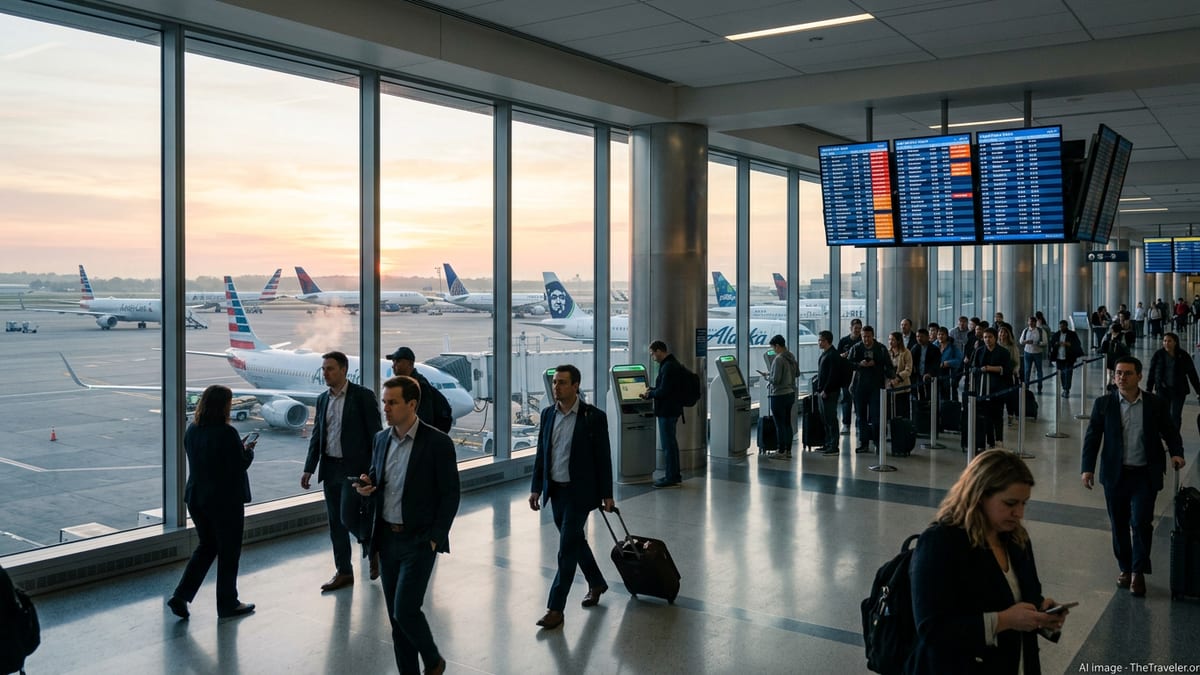
Shares of American Airlines, Delta Air Lines, United Airlines, Alaska Airlines and JetBlue all sank sharply in New York trading, extending losses that have built over the past week as investors digested the economic shock from the Iran conflict. The move capped what analysts described as a full-fledged bear market for U.S. airline stocks, with many large carriers now down more than 20 percent from recent peaks.
American Airlines was among the hardest hit, sliding around 5 percent at one point, while United fell as much as 7 percent. Delta dropped roughly 5 percent, with Alaska and JetBlue also deep in the red after both had already shed close to 30 percent over the past month amid mounting fuel cost worries and demand uncertainty.
The selloff came against a backdrop of broader market turmoil. Major U.S. equity indexes were rattled by the conflict’s rapid escalation and the risk of a wider regional war, but the pain was particularly acute in travel and tourism names. Traders rotated aggressively into energy and defense stocks as crude oil spiked and geopolitical risk premiums surged.
For airline investors, the latest slump followed several days of heavy selling after a series of missile strikes and retaliatory attacks in and around Iran pushed global risk sentiment to its weakest point since the early months of the pandemic.
Oil Shock Turns Jet Fuel Into a Cost Nightmare
The immediate catalyst for the airline rout was a violent move higher in oil prices as fighting intensified and shipments through the Strait of Hormuz, a vital corridor for global crude flows, faced new disruptions. Brent crude jumped toward and in some trades above 110 dollars a barrel, at one point registering an intraday surge of roughly 20 percent, its highest level since mid-2022.
Because jet fuel is refined from crude, price spikes filter quickly and brutally into airline cost structures. Fuel typically accounts for roughly a quarter to a third of a large carrier’s operating expenses, meaning even modest percentage moves can erode profit margins. Analysts at several Wall Street banks estimated that if current levels persist for the rest of 2026, the four biggest U.S. airlines could collectively face nearly 6 billion dollars in additional annual fuel costs compared with earlier forecasts.
Compounding the blow, most major U.S. carriers no longer rely heavily on traditional fuel hedging programs that once helped smooth out oil price swings. After years of relatively stable crude and mixed results from complex derivatives strategies, many airlines chose to ride the spot market. That decision has left them fully exposed to the current oil shock, with limited near-term options beyond raising fares, cutting capacity or both.
Industry consultants warned that the sudden jump in jet fuel prices mirrors earlier crises that pushed weaker airlines into restructuring. While today’s carriers generally have stronger balance sheets than during the mid-2000s oil spike, the speed and scale of the current move, layered on top of existing debt from the pandemic years, has reignited concerns about financial resilience if war and elevated fuel prices drag on.
Capacity Cuts, Fare Hikes and Travelers in the Crossfire
With fuel bills spiraling, airline executives are already signaling a shift toward more defensive strategies. United’s leadership has warned that the spike in jet fuel will have a meaningful impact on first-quarter earnings and could force tactical capacity reductions, especially on thinner regional and secondary routes where fare increases are harder to push through.
Delta and American are also reviewing schedules and capacity plans for the summer travel season, according to people familiar with internal discussions, as carriers weigh whether to trim frequencies on marginal domestic routes and adjust transatlantic flying to focus on the most profitable hubs and corridors. Any broad-based pullback in seats would tighten supply heading into peak vacation months, strengthening airlines’ ability to raise prices.
Travelers are already seeing early signs of the new reality. Data from booking platforms and fare trackers show airfares rising on some long-haul routes that rely heavily on fuel-intensive widebody aircraft and have limited competition. Analysts expect further increases to spread across domestic networks if fuel remains elevated into the second quarter, particularly for last-minute and peak-period bookings.
For leisure travelers, that could mean costlier trips to popular coastal and sun destinations at a time when broader inflation pressures are still squeezing household budgets. For business travelers, stricter corporate travel budgets and higher ticket prices may translate into fewer in-person meetings and more reliance on virtual alternatives, pressuring premium revenue that airlines depend on to offset discount leisure seats.
Which Airlines Are Most Vulnerable?
The pain is not being felt evenly across the industry. Full-service global carriers such as Delta and United entered the crisis with comparatively robust cash positions, diversified revenue streams and strong demand in premium cabins. Analysts say that gives them more room to absorb a period of higher fuel costs through targeted fare hikes, surcharges and capacity optimization.
American Airlines, by contrast, carries a heavier debt load and has less flexibility to withstand a prolonged earnings squeeze, making its stock particularly sensitive to each fresh headline out of the Middle East. Budget-focused carriers like Alaska and JetBlue, which compete intensely on price in domestic markets and generate less revenue from corporate contracts and premium products, may also find it harder to pass along the full cost increase without dampening demand.
Investors are now scrutinizing balance sheets, liquidity lines and upcoming debt maturities across the sector. Several airlines had been counting on a strong 2026 travel season to pay down borrowing accumulated during the pandemic. The sudden deterioration in fuel economics has thrown those deleveraging timelines into doubt and raised the possibility that some carriers may need to tap equity markets or scale back capital spending plans, including fleet renewal and cabin upgrades.
Credit rating agencies, which had been gradually improving their outlooks on the sector, are warning that a sustained oil shock coupled with softening consumer demand could stall or reverse those gains. For shareholders, that combination risks prolonging the period of depressed valuations that has made airlines one of the market’s most volatile and unforgiving corners.
What It Means for the Next Phase of Global Travel
The Iran war and its impact on oil prices arrive at a delicate moment for global aviation. After a robust post-pandemic rebound, signs of demand normalization were already emerging as consumers shifted spending back toward goods and as corporate travel stabilized below 2019 levels. The new energy shock threatens to accelerate that cooling by forcing airlines to charge more just as passengers become more price sensitive.
Airports and tourism boards in the United States are bracing for potential knock-on effects if airlines trim routes or frequencies to secondary cities. Smaller and midsize destinations that rely on a handful of key connections are particularly vulnerable to capacity reductions, which can ripple through local economies that depend on visitor spending.
At the same time, the crisis is reigniting interest in longer-term fuel diversification. While sustainable aviation fuel remains more expensive than conventional jet fuel, the narrowing gap created by triple-digit crude prices could spur additional investment and partnerships as airlines seek to reduce their exposure to geopolitical oil shocks. Carriers including Alaska and JetBlue, which have publicly highlighted their sustainability ambitions, may find new economic rationale to accelerate those plans despite near-term financial strain.
For now, though, investors and travelers alike are focused on the immediate turbulence. With oil markets on edge and the military situation fluid, U.S. airlines face a volatile stretch in which each move in crude prices and each new development in the Iran war can send their share prices lurching. The only certainty, analysts say, is that the cost of keeping planes in the air has just become significantly higher.