

More news on this day
Air travelers are facing a fresh wave of disruption as airlines around the world cancel flights and trim schedules in response to jet fuel shortages and soaring costs linked to the war in Iran, which has roiled global energy markets and choked off key shipping and air corridors across the Middle East.
Get the latest news straight to your inbox!
Jet Fuel Prices Surge After Strait of Hormuz Disruption
The Iran war has swiftly evolved into a global energy shock, with jet fuel emerging as one of the most exposed weak points in the transport system. Analysts tracking refined products report that kerosene-based fuels have more than doubled in price since hostilities escalated in late February, outpacing the rise in crude oil as refiners struggle to secure appropriate feedstock and keep output steady.
The closure and disruption of traffic through the Strait of Hormuz, a chokepoint that normally handles around one fifth of the world’s oil flows, has forced tankers to reroute or halt shipments altogether. Additional attacks on refineries and storage sites in Saudi Arabia, the United Arab Emirates and Iran have intensified a squeeze on aviation fuel, pushing benchmark jet prices toward levels last seen during previous energy crises.
Publicly available industry data and tracking from organizations such as IATA and Argus Media indicate that average jet fuel prices in major hubs including Chicago, Houston, Los Angeles and New York have climbed to well above four dollars a gallon. Trade publications focused on aviation economics describe a “perfect storm” in which refinery bottlenecks, shipping disruptions and precautionary stockpiling are converging to drive a sharp, sudden spike in airline operating costs.
Policy assessments from European and international bodies warn that these pressures are unlikely to ease quickly, even if a cease-fire is reached. Officials point to low inventories, damage to infrastructure and the time needed to reorganize shipping routes as factors that could keep jet fuel prices elevated for months.
Flight Cancellations Mount As Carriers Conserve Fuel
Faced with rapidly rising fuel bills and constrained access to aviation kerosene in several regions, airlines are beginning to cancel flights outright. Industry coverage in Europe notes that Scandinavian carrier SAS has announced at least a thousand cancellations in April, citing unaffordable fuel costs on certain routes and the need to preserve capacity for more profitable services.
In Asia, regulators in Vietnam have warned that restrictions in the supply of Jet A-1 fuel linked to the Middle East conflict are putting domestic airlines at risk of shortfalls. Carriers in the region have responded by trimming frequencies on selected domestic and regional routes and prioritizing aircraft deployment on busier trunk lines where higher fares can be sustained.
Early in the conflict, global tracking data showed tens of thousands of flights disrupted as airspace closures spread across Iran, Israel, Iraq, Jordan, Qatar, Bahrain, Kuwait and the United Arab Emirates. While some services have since been rerouted around the region, others remain grounded as operators weigh the combined impact of longer flight times, higher fuel burn and constrained refueling options at intermediate airports.
Aviation risk advisories circulated to corporate travel managers describe patchy availability of jet fuel at parts of Asia and Oceania outstations, prompting carriers to carry extra fuel on board from better supplied hubs. This practice, known as tankering, helps hedge against uncertain supply but further increases overall fuel consumption and cost, reinforcing the cycle of pressure on airline schedules.
Higher Fares, New Surcharges And Extra Fees For Travelers
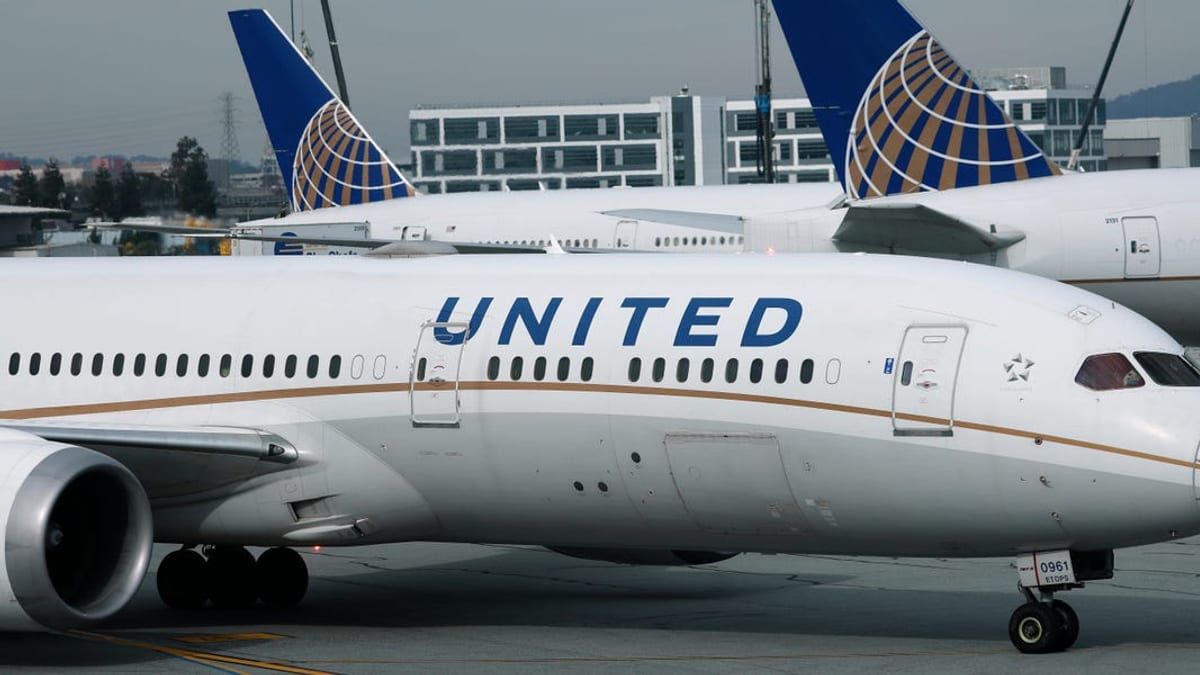
For passengers, the most immediate impact of the jet fuel crunch is being felt in ticket prices and ancillary fees. Reports from the United States show that carriers including JetBlue and United Airlines have introduced higher checked bag charges in recent days, explicitly tying the adjustments to rising fuel costs. These moves follow earlier announcements from European airline groups that warned of broad-based fare increases linked to the Iran war.
Several long-haul operators in Europe have begun adding fuel surcharges on new bookings, particularly on routes that now require lengthy detours to avoid closed Middle Eastern airspace. Trade association gatherings in Brussels and other capitals have highlighted a stark choice for airlines between preserving connectivity and cutting marginal routes that can no longer be flown profitably at current fuel prices.
Analysts who follow the industry note that fuel typically represents between a fifth and two fifths of an airline’s cost base, depending on business model and network. With jet fuel prices having almost doubled in some benchmarks within a matter of weeks, many carriers are under pressure to pass at least part of the increase on to customers. That is translating into higher base fares, tighter discount availability and a proliferation of add-on charges for services that were previously included.
Budget airlines, which compete heavily on price, appear particularly vulnerable. Research from financial and risk consultancies indicates that low-cost carriers with thinner profit margins and heavy exposure to affected regions may be forced to curtail growth plans, cut capacity and rethink ultra-low promotional fares that no longer cover variable costs under the new fuel regime.
Rerouted Airspace And Longer Journeys Redraw Global Routes
Beyond fuel prices and immediate cancellations, the Iran war is reshaping global aviation maps. The closure or restriction of multiple Middle Eastern airspace corridors has compelled airlines to design new routings that skirt conflict zones, adding significant time and distance to many intercontinental flights. Longer tracks between Europe and Asia, for instance, are increasing fuel burn per trip even as fuel becomes scarcer and more expensive.
Data compiled by flight-tracking platforms and industry analysts show aircraft now detouring north via Turkey, the Caucasus and Central Asia, or south via the Indian Ocean and East Africa, to maintain links that previously crossed Iranian and Gulf airspace. For some ultra long haul city pairs, these alternative paths are stretching aircraft range limits and prompting temporary suspension until more efficient solutions are found.
Middle Eastern hubs that once acted as vital crossroads for global travel are also feeling the strain. With airports in parts of the Gulf region operating at reduced capacity or temporarily closed, passenger flows are being redirected through European and Asian gateways. Airlines such as Air France-KLM and Lufthansa have highlighted expanded use of alternative hubs further east, while Asian carriers look to capture displaced demand on Europe–Asia and Asia–Africa corridors.
These shifts have knock-on effects on connectivity and competition. Travelers who previously relied on one-stop itineraries via the Middle East are often being offered multi-stop journeys or facing significantly higher prices on the remaining nonstop options. Airports outside the immediate conflict zone, from Athens to Singapore, are positioning themselves as stable alternatives, but the rapid reconfiguration of networks is adding to operational complexity and uncertainty.
Outlook: Prolonged Pressure On Airlines And Passengers
Economic assessments published by banks, think tanks and multilateral institutions suggest that even a relatively swift de-escalation in Iran would not lead to an immediate normalization of jet fuel markets. Damage to refineries and export infrastructure, the need to rebuild inventories and the time required to re-establish safe shipping lanes all point toward a prolonged period of elevated prices and intermittent shortages.
Global transport organizations warn that sustained high fuel costs could weigh on broader economic growth, as more expensive air cargo and passenger travel feed through into higher prices for goods and services. Industries reliant on just-in-time supply chains and high-value air freight, from electronics to pharmaceuticals, may face additional costs and delays as airlines trim capacity and prioritize the most lucrative routes.
For airlines, the crisis is accelerating difficult choices about fleet deployment, network strategy and financial resilience. Companies with stronger balance sheets and access to fuel hedging tools may find ways to cushion the blow, while weaker players risk consolidation or restructuring if conditions persist into the peak summer season.
For travelers, the coming months are likely to bring a combination of higher fares, fewer options and greater uncertainty. Travel advisers recommend building in extra connection time, maintaining flexible booking conditions where possible and monitoring airline communications closely, as schedules remain fluid in response to the evolving fuel and security landscape.