

More news on this day
Coordinated airport strikes across Europe at the height of the Easter return rush have plunged travel plans into disarray, with more than 90,000 passengers stranded and hubs from Frankfurt to Barcelona struggling to keep flights moving.
Get the latest news straight to your inbox!
Lufthansa Walkouts Trigger Chain Reaction Across Major Hubs
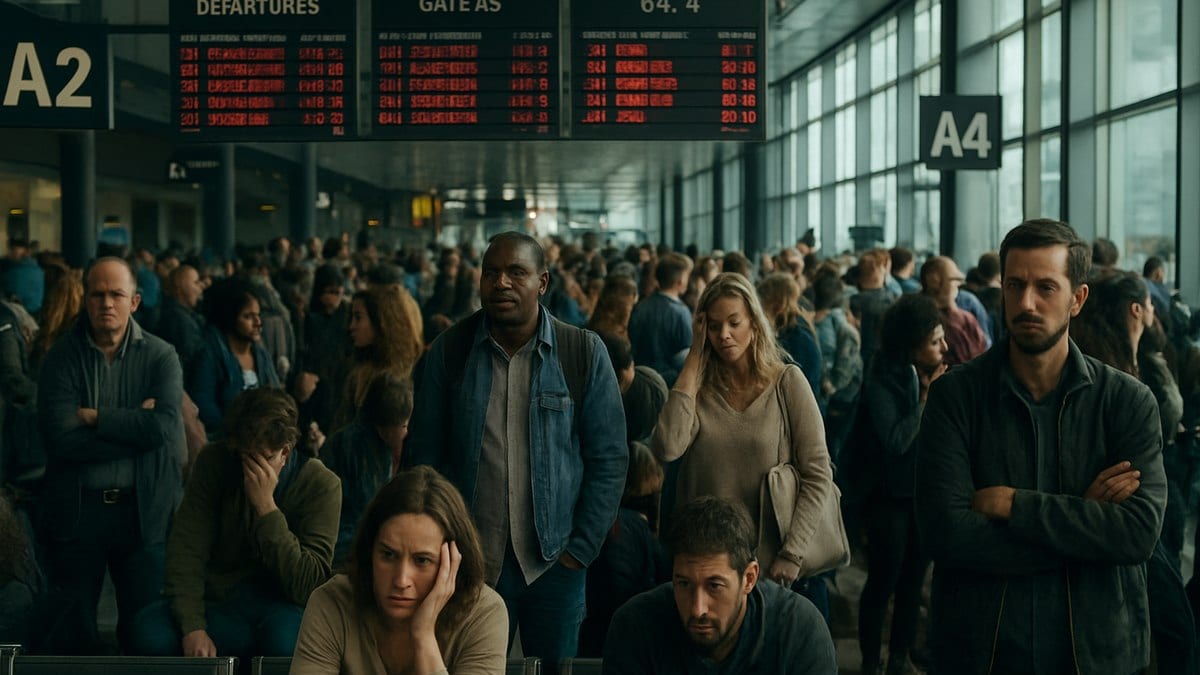
The most immediate shock came in Germany, where a one day strike by Lufthansa cabin crew and staff at regional subsidiary CityLine led to the cancellation of hundreds of flights at Frankfurt and Munich on Friday, April 10. Publicly available tallies from airline schedules and airport operations indicate that more than 500 flights were grounded at the two hubs alone, affecting upwards of 90,000 passengers as aircraft, crews and connections fell out of position.
Reports from aviation tracking services and travel industry monitors describe departure boards filled with cancellations, long queues at service desks and passengers sleeping in terminal seating as they waited for rebooking. Many travelers were attempting to return home at the end of school holidays, a factor that intensified the impact as load factors on European and long haul routes were already high.
The disruption rippled quickly beyond Germany. As aircraft failed to depart Frankfurt and Munich, connecting passengers missed onward flights to destinations across Europe, North America and Asia. Airline operations data suggests that knock on delays spread to nearby hubs in Switzerland, Austria and the Benelux region as carriers adjusted their schedules and repositioned aircraft.
Industry analysts note that the Lufthansa action followed a series of strikes and labor disputes at the airline in recent months, including earlier pilot walkouts and previous warning strikes by cabin crew. The accumulation of stoppages has increased pressure on the carrier’s recovery schedule during one of the busiest travel periods of the year.
Spain and France Face Ongoing Baggage and Cabin Crew Disruptions
While Germany has seen the most high profile cancellations in recent days, airport strikes in Spain and France are adding to a sense of continent wide instability for travelers. At Barcelona’s Josep Tarradellas El Prat Airport, a rolling strike by baggage handler Groundforce that began in late March has continued into April, leaving thousands of bags piled up in storage areas and delaying both departures and arrivals.
Reports from Spanish travel and migration news outlets describe check in lines stretching beyond terminal entrances and passengers in arrival halls waiting extended periods at baggage carousels only to discover that their luggage had not left the departure airport. The industrial action is scheduled in time blocks several days a week, which has made it difficult for airlines to predict when ground operations will run normally.
In France, a separate wave of industrial action has hit low cost and short haul operations. Cabin crew strikes at easyJet on Easter Monday disrupted services at Paris Charles de Gaulle, Paris Orly, Nice, Lyon, Nantes and Bordeaux, some of the country’s busiest airports. Travel trade publications report that cancellations and delays at these hubs fed back into wider European networks, particularly affecting leisure travelers heading to and from Mediterranean destinations.
Although minimum service rules in countries such as Spain require a portion of flights to operate, observers say the combination of partial stoppages, uneven staffing and high seasonal demand has produced a situation in which even flights that do depart often do so late, with luggage misrouted or left behind.
Rollercoaster Spring After Weeks of Scattered Walkouts
The latest wave of action lands after weeks of fragmented strikes that have already tested the resilience of European aviation. In early March, data compiled by passenger rights platforms showed more than one thousand flights disrupted in a single day across major airports in England, France, Germany, the Netherlands and Switzerland as a mix of air traffic control issues and airport labor disputes unfolded.
There have also been targeted shutdowns at individual airports. Earlier this spring, a nationwide demonstration in Belgium brought scheduled departures at Brussels Airport to a standstill for a day, while partial strikes in Portugal and Italy have disrupted isolated services and raised concerns about the reliability of summer operations.
European transport research papers and statistics from previous years underline that this pattern is not new. Analyses of strike activity between 2010 and the mid 2010s found that repeated air traffic control and airport staff walkouts generated millions of minutes of extra delay and billions of euros in economic losses, particularly when action in one country disrupted overflight routes and transit traffic in others.
This spring’s events, however, are unfolding against the backdrop of a post pandemic recovery in which airlines and airports are still rebuilding staffing levels. Industry commentators suggest that this makes the system more vulnerable to sudden staffing shortages, as there is less spare capacity to absorb cancellations or operate backup rotations when large numbers of workers walk off the job.
Travelers Scramble for Alternatives as Rights and Capacity Collide
With cancellations mounting, passengers across Europe are racing to rebook flights, secure hotel rooms and seek compensation. Under European Union Regulation 261, travelers on affected flights may be entitled to rerouting, meals, accommodation and in some cases financial compensation, depending on the cause and notice period of the disruption. Consumer advocates caution that in practice the process can be lengthy, particularly when airlines are handling tens of thousands of simultaneous claims.
Travel forums and social media posts from the affected airports in Germany, Spain and France indicate that many passengers have turned to long distance trains, intercity buses and even rental cars to complete their journeys. However, the sudden spike in demand has pushed up prices on alternative transport options and led to sold out services on some key routes, especially those linking major hubs such as Frankfurt, Paris and Brussels.
Airline network specialists point out that during large scale strikes carriers often prioritize long haul operations, both to protect revenue and to avoid leaving aircraft and crews stranded far from their home bases. That can mean deeper cuts to short haul and regional routes, which in turn makes it more difficult for passengers to find replacement connections within Europe even when transcontinental flights are still operating.
Travel planners recommend that passengers facing travel in or through Europe over the coming days monitor their bookings closely, keep contact details updated with airlines, and consider flexible tickets or alternative routings where possible. They also suggest building in longer connection times and traveling with essential items in carry on luggage in case checked bags are delayed by ongoing ground handling disputes.
Summer Outlook Clouded by Ongoing Labor Tensions
The current disruptions have revived broader questions about how prepared Europe’s aviation system is for the peak summer season. Union representatives in several countries have signaled that further action is possible if wage and staffing negotiations do not progress, while airport associations are warning that repeated strikes risk damaging the reputation of European hubs as reliable gateways.
Industry observers note that many of the disputes have common themes, including inflation driven demands for higher pay, dissatisfaction with shift patterns and concerns about staffing levels after pandemic era job cuts. At the same time, airlines and airport operators are under pressure to control costs after several loss making years, which can make compromise difficult.
Forecasts from travel data firms point to another record breaking summer for European tourism, with strong demand from both intra European and long haul markets. If industrial tensions persist, analysts say the combination of high passenger volumes and intermittent strikes could lead to further episodes of large scale disruption, similar to or even more severe than the current Easter period chaos.
For now, passengers already on the move are focused on getting home. As aircraft, crews and luggage gradually return to their normal rotations over the coming days, attention will likely shift to whether labor talks across the continent can deliver enough stability to prevent a repeat of this week’s turmoil when the next surge of holiday travelers arrives.