

More news on this day
TUI Airline has signed a long-term strategic partnership with Berlin-based travel tech firm Airxelerate, a move aimed at modernizing how seats and packages are sold to tour operators and ultimately reshaping the travel experience for international tourists flying to Spain, Italy and Germany.
Get the latest news straight to your inbox!
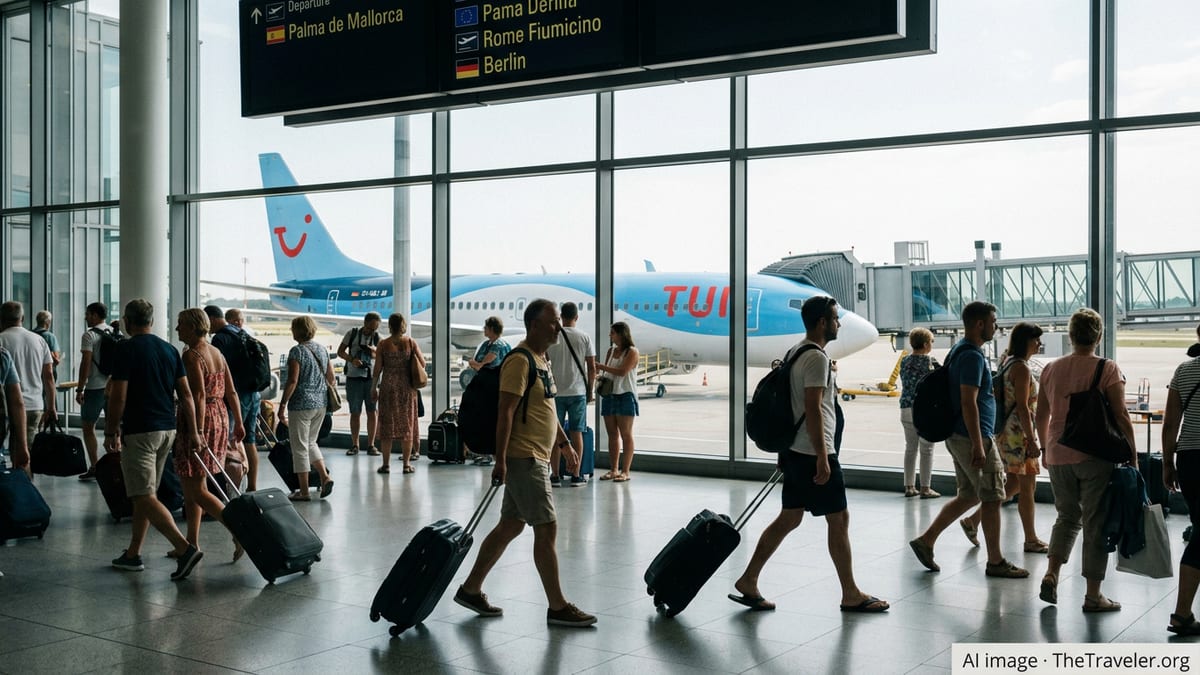
Inside the New Airxelerate–TUI Airline Partnership
The agreement, announced this week, pairs TUI Airline’s fleet of 125 medium and long-haul aircraft with Airxelerate’s cloud-based distribution technology to create a more flexible, automated B2B sales environment for tour operators in all TUI source markets. The collaboration focuses on how flights and packages are offered, priced and confirmed in real time, rather than on adding new routes or aircraft capacity.
Airxelerate specializes in modular software that allows airlines and tour operators to manage inventory, pricing and booking rules from a single, highly automated platform. By adopting this system across its airline businesses, TUI aims to reduce complexity in its tour operator distribution, which currently spans multiple countries, brands and legacy IT systems.
For travelers, the impact will be felt indirectly through more accurate availability, fewer manual confirmations and a broader range of bundled products that combine flights with hotels, transfers and experiences. Industry analysts say the move reflects a wider trend among leisure carriers to treat digital distribution as a strategic asset rather than a back-office function.
What Changes for Tour Operators Serving Spain, Italy and Germany
The partnership is particularly significant for tour operators sending customers to key holiday markets in Spain, Italy and Germany, where TUI already operates dense leisure networks. Under the new setup, TUI’s B2B partners will see more granular control over fare classes, seat allotments and booking windows, allowing them to tailor offers more precisely to seasonal demand.
Instead of relying on fixed seat blocks negotiated months in advance, Airxelerate’s technology supports more dynamic inventory management. Seats can be released, repriced or re-bundled in near real time, helping tour operators respond quickly to spikes in demand for Spanish beach destinations, Italian city breaks or German cultural itineraries.
This flexibility is expected to reduce the risk of both overbooking and unsold capacity, which has long been a challenge in package tourism. In practice, that could translate into more last-minute deals to Spanish islands, sharper early-booking discounts on Italian routes and more stable pricing on popular German gateways, particularly during peak school holiday periods.
Benefits for International Tourists Booking European Holidays
While the changes are happening behind the scenes, international tourists are likely to notice several practical benefits as the partnership is rolled out. One of the biggest shifts will be faster, more reliable confirmations. Because inventory data flows instantly between TUI and its partner tour operators, customers should see fewer tentative bookings and fewer follow-up emails correcting fares or flight times.
Travelers may also gain access to a wider variety of package configurations. The improved B2B infrastructure makes it easier to combine flights on TUI Airline with different hotel categories, add-on services and local experiences in Spain, Italy and Germany. That can help match offers more closely to budget-conscious families, premium travelers or city-hopping couples.
Another expected benefit is transparency. With more accurate data on available seats and price points, agents and online tour operators can display clearer options at the time of booking, reducing the risk that a chosen departure to, for example, Palma de Mallorca, Rome or Berlin is no longer available when the customer reaches the payment page.
How the Technology Works Behind the Scenes
At the core of the collaboration is a shift from fragmented, often manual distribution systems to a single, scalable B2B platform operated by Airxelerate. The technology connects TUI Airline’s inventory management with tour operators through standardized, real-time interfaces, replacing legacy file exchanges and manual seat adjustments.
This architecture supports dynamic pricing and automated rule engines that can adjust fares and availability based on booking patterns, seasonality and route performance. For example, if demand from Northern Europe to Spanish coastal airports rises sharply, the system can react much faster than traditional processes, adjusting tour operator allotments without lengthy renegotiations.
Because the platform is designed to be multi-market, TUI can roll out consistent tools and processes across its operations in Germany, the UK, the Nordics and beyond, while still allowing localized configurations for individual markets and brands. This consistency is crucial when coordinating capacity across highly seasonal routes into Mediterranean destinations and central European hubs.
What Travelers Should Watch for Next
For now, the partnership will not immediately change flight schedules or introduce new destinations, but travelers planning trips to Spain, Italy and Germany over the coming seasons may begin to see more responsive pricing and richer package options offered by their preferred tour operators. Industry observers will be watching how quickly TUI can migrate existing distribution flows into the new environment and how smoothly the transition proceeds during peak travel periods.
Customers are also likely to see closer alignment between what is offered online and what is actually available, an area that has historically caused frustration when popular departure dates or specific return flights appeared to exist in search results but proved impossible to book. As TUI and Airxelerate fine-tune the system, that gap should narrow.
The collaboration underlines the growing importance of digital infrastructure in leisure aviation, particularly on busy holiday corridors into southern Europe and major German airports. If successful, it could set a template for how large tour operators and airlines cooperate on distribution, with international tourists among the main beneficiaries.