

Alaska looms large in the imagination: a place of glaciers and grizzlies, northern lights and midnight sun, tiny roadless towns and mountain ranges that seem to rise straight from the sea. It is also a destination with real logistical quirks and fast-changing tourism patterns, especially as recent seasons have brought record visitor numbers. For a first-time visitor, the key to a rewarding trip is understanding the state’s scale, seasons, and transportation options so that big dreams translate into a practical, well-paced itinerary.
Understanding Alaska’s Size, Regions, and Seasons
The first surprise many visitors face is scale. Alaska is more than twice the size of Texas, and most of it is sparsely populated. There is no single “see it all” route, especially on a first visit. Instead, trips tend to center on a few core regions such as Southcentral Alaska around Anchorage and the Kenai Peninsula, the Interior with Denali National Park and Fairbanks, or the Southeast “Inside Passage” with its fjords and island communities like Juneau, Sitka, and Ketchikan. Each area offers distinct landscapes and experiences, and it is usually better to go deeper in one or two regions than to rush through many.
Tourism to Alaska has grown steadily in recent years, with state visitor reports indicating that more than three million people arrived during the 2024–2025 season, the highest on record. Most of those visitors came in summer and more than half arrived by cruise ship, especially to the Inside Passage, while many others flew into Anchorage as a gateway for independent travel. This means that peak-season hotspots can feel busy in contrast to the state’s wild image, something worth factoring into expectations and planning.
Seasonality shapes everything. Roughly late May through early September is the classic summer window, when most services are open, trail access is widest, and wildlife viewing opportunities are excellent. June and July bring long daylight, greenery, and higher prices, while late August into early September can mean fewer crowds, more fall color, and a higher chance of rain. Winter and shoulder seasons offer smaller visitor numbers and the potential for northern lights viewing, particularly from Fairbanks, but they also bring short days, cold temperatures, and more limited transportation and tour options.
Because weather is volatile in every season, flexibility matters. Even in mid-summer, low clouds can obscure mountain views for days, or coastal storms can delay ferries and small planes. It is wise for first-time visitors to treat marquee experiences such as glacier flights or whale watching as priorities but to build in backup days or alternate activities in case of cancellations.
Getting to and Around Alaska
For most first-time visitors, the choice begins with arrival by air, cruise, or a combination of both. Anchorage is the main air gateway, handling the majority of flight arrivals. From there, the state-owned Alaska Railroad, buses, rental cars, and small-plane services connect to popular destinations including Seward, Denali National Park, Fairbanks, and the Kenai Peninsula. Juneau and other Southeast communities are typically reached by cruise ship or regional flights and are not connected to the broader road system.
Driving gives the most flexibility in Southcentral and Interior Alaska, where the road network, while limited, does connect major visitor hubs. The Parks Highway links Anchorage and Fairbanks, passing the entrance to Denali. The Seward Highway and Sterling Highway access coastal areas and the Kenai Peninsula. Distances can be deceptive: a drive that looks short on a map may take several hours due to two-lane roads, construction zones, wildlife on the shoulder, or frequent scenic stops. Renting a car in peak summer can be expensive, so advance reservations and price comparisons are helpful.
Rail travel is a popular alternative for those who prefer not to drive. The Alaska Railroad’s summer routes include Anchorage to Seward and Anchorage to Fairbanks, with stops in places like Talkeetna and at the entrance to Denali National Park. Trains offer large windows, access to remote scenery, and a more relaxed pace, though they do not reach every town and can cost more than shared shuttle buses for similar routes. Many visitors combine a leg by rail with a rental car segment or guided tours to balance convenience and freedom.
On the water, the Alaska Marine Highway System ferries link dozens of coastal communities along a route that stretches thousands of miles. The system has faced schedule changes in recent years as funding and fleet maintenance have fluctuated, but it remains a distinctive way to travel, particularly in Southeast Alaska and along the Gulf of Alaska. Sailings may not run daily on all routes, and proposed seasonal schedules are sometimes adjusted, so first-time visitors who want to include a ferry segment should check current timetables early and build in buffers for weather or operational delays.
Anchorage and Southcentral: The Most Common First Base
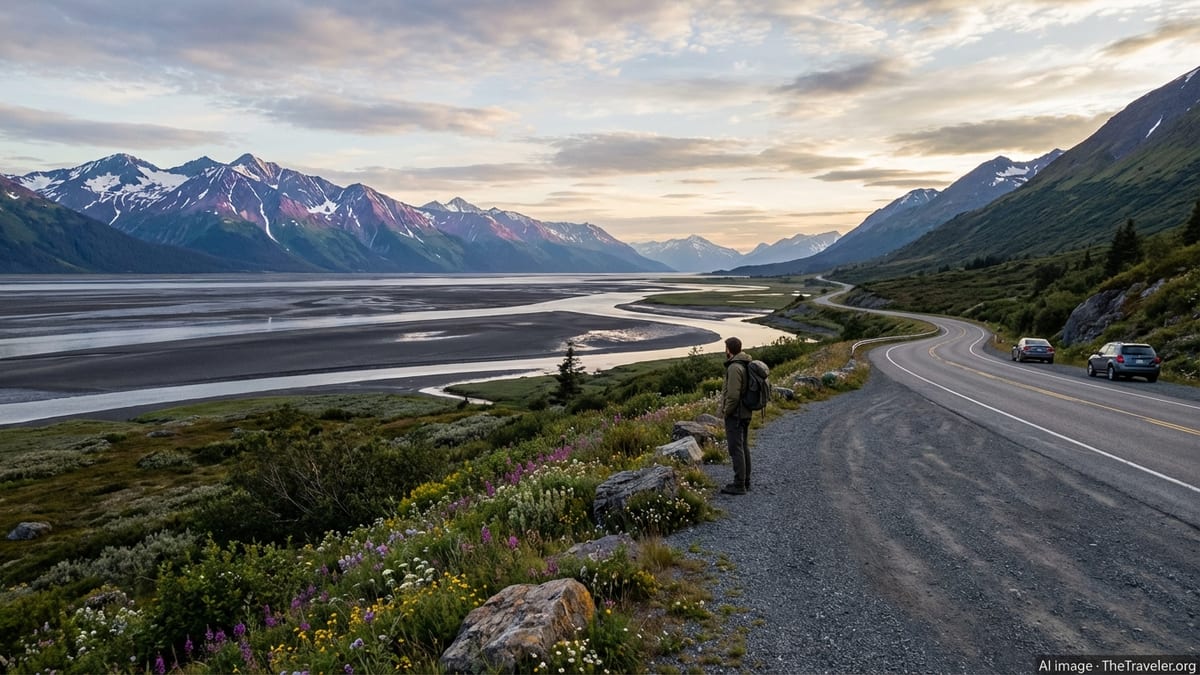
Anchorage is not a wilderness outpost so much as a small city framed by mountains and ocean, with a strong outdoor culture. Many first-time itineraries start and end here because of its flight connections, car rental options, and proximity to a broad range of day trips. In a short stay you might walk the coastal trail, visit a museum to orient yourself to Alaska’s history and cultures, and then head out along the Seward Highway for your first glimpses of tidal flats, steep peaks, and possible beluga whales in Turnagain Arm.
South of Anchorage, the Kenai Peninsula rewards extra time. Seward is a compact harbor town known as a gateway to Kenai Fjords National Park, where boat tours explore glacier-carved fjords and offer chances to see whales, sea otters, puffins, and towering tidewater glaciers. Nearby trails, including those to glacier viewpoints, provide accessible hikes for various fitness levels, though conditions change through the season as snow melts or rains increase. Lodging ranges from small inns to basic cabins and campgrounds, and summer nights can book up months ahead during popular events and holidays.
On the central peninsula, towns like Soldotna and Kenai cater to both visitors and locals, particularly anglers drawn by salmon runs on the Kenai River. For first-timers without fishing experience, guided trips can simplify permits, gear, and safety on cold, fast-moving water. Farther south, the artsy town of Homer sits at the end of the road, looking out over Kachemak Bay and the Kenai Mountains. From here, water taxis and small boats head to remote trailheads and lodges, while bear-viewing flights sometimes depart to reach coastal brown bear habitat on the Alaska Peninsula, weather permitting.
The Southcentral region is also home to accessible glaciers and roadside viewpoints that can fit into half-day excursions from Anchorage or other bases. However, retreating ice and changing conditions mean that some once-easy glacier walks now require more caution or guided access. Checking current local advice before heading out, and being prepared for slick surfaces and unstable ice, helps keep such experiences enjoyable and safe.
Denali, Interior Alaska, and the Arctic
For many first-time visitors, seeing Denali is a primary goal. The mountain is the highest peak in North America, and on clear days it dominates the skyline from viewpoints along the Parks Highway and within Denali National Park and Preserve. However, clouds frequently obscure the summit, and a common surprise is that even a full day in the area does not guarantee a view. Building at least two nights near the park entrance increases the odds of both good weather and time on the park road.
Access into Denali’s interior is set by park regulations and current road conditions. Private vehicles are typically allowed on Denali Park Road only as far as about Mile 15 near Savage River, with occasional early-season exceptions extending that distance when plowing progress and weather allow. Beyond that point, visitors use a system of transit and tour buses. Due to a long-running landslide at Polychrome Pass, bus routes are currently traveling only partway into the park rather than the full 92 miles, and schedules, prices, and maximum mileposts are reviewed and updated ahead of each summer season. Reserving bus seats in advance, particularly in June and July, is strongly advised.
Many visitors pair Denali with Fairbanks, which offers a glimpse of the Interior’s boreal forest and river country along with a different cultural feel from coastal Alaska. In late summer and early autumn, Fairbanks also becomes a starting point for northern lights trips as nights grow darker. Conditions vary year to year, and aurora viewing is never guaranteed, but the combination of relatively clear winter skies and available tour infrastructure makes the region a leading base for first-time aurora seekers who are comfortable with cold weather and long nights.
More adventurous itineraries continue north of Fairbanks toward the Arctic, often via small-plane flights to communities along the Arctic coast or over the Brooks Range. These trips demand flexibility and a tolerance for last-minute weather delays. For a first visit, especially on a tight schedule, it is usually better to treat Arctic excursions as an add-on after the core of the trip has been structured rather than as the main focus unless you have several extra days and a strong interest in remote travel.
The Inside Passage and Cruise-Based Itineraries
The Inside Passage, stretching along Southeast Alaska’s island-dotted coastline, is the classic setting for Alaska cruises. Recent tourism reports show that over half of Alaska visitors arrive by cruise ship, with Juneau hosting the highest cruise passenger numbers. Ships sail among steep forested slopes and tidewater glaciers, calling at communities such as Ketchikan, Juneau, Skagway, Sitka, and smaller ports that are increasingly included on itineraries. For first-time visitors who prefer to unpack once and move between destinations with minimal logistics, a cruise can be an efficient way to sample Alaska’s scenery.
The trade-off with cruising is time on shore. Port calls typically last a few hours rather than full days, and the choice of shore excursions shapes much of the experience. In Juneau, many first-time guests opt for whale watching or a visit to a nearby glacier viewpoint, while Ketchikan emphasizes rainforest walks and Indigenous cultural presentations. Skagway, once a gold rush town, offers both history-focused tours and popular hikes or bike rides in the surrounding mountains. Prices for excursions vary widely, and it is worth reading current descriptions to understand physical demands, group sizes, and what is included.
Independent travel in Southeast Alaska, without a cruise, is possible using the Alaska Marine Highway ferries and regional flights. This style of trip allows for more time in individual communities and a slower pace. However, it requires more active planning, especially as ferry schedules and capacity fluctuate season by season. During years when funding, crews, or vessel availability are constrained, some routes may run less frequently or with reduced service compared to pre-pandemic patterns.
Whether you choose a cruise or an independent route, planning ahead helps avoid overcrowding at popular attractions, especially during peak days when multiple large ships visit the same port. Visiting shoulder-season sailings, choosing smaller-ship itineraries when feasible, or prioritizing less-trafficked ports can create a more relaxed first impression of Alaska’s coastal communities.
Budgeting, Lodging, and Practical Planning Tips
Alaska is rarely a low-cost destination. Remote locations, short peak seasons, and reliance on imported goods push up prices for lodging, tours, and meals. For first-time visitors, understanding the main cost drivers helps with realistic budgeting. Peak summer nights in popular destinations such as Seward, Denali, and Juneau can be significantly more expensive than similar lodging in the lower 48 United States, particularly on weekends and around large cruise ship arrivals. Booking months in advance typically unlocks better choices and rates, while last-minute availability can be limited and costly.
Lodging options range from large hotels and cruise-linked properties to independent inns, cabins, and campgrounds. In smaller communities, especially those off the road system, room counts may be modest and sell out quickly for key dates. Camping can lower costs and bring you closer to nature, but it requires proper gear for cool, often damp nights, even in midsummer. First-time campers in Alaska should be especially careful about food storage to avoid attracting wildlife and should be prepared for wet conditions that can make sites muddy.
Food and daily expenses also run higher than many travelers expect. Groceries can be a good way to manage costs, particularly if you rent a car and can stop at larger supermarkets in Anchorage, Fairbanks, or regional hubs. Many visitors mix restaurant meals with simple picnic lunches or self-catered breakfasts. It is also wise to budget for one or two standout experiences, such as a glacier boat tour or a scenic flight, and then build the rest of the itinerary around lower-cost activities like hiking, self-guided walks, and museum visits.
Trip pacing is another key planning consideration. Because of the state’s size and the possibility of weather or transportation disruptions, it is smart to avoid stacking tight connections. Allow generous time between flights and cruises, leave a cushion day at the start or end of your trip, and try to keep daily driving distances modest. A slower itinerary often yields more wildlife sightings and less stress compared to racing from one distant highlight to another.
Wildlife, Weather, and Staying Safe
Wildlife is one of Alaska’s major draws, and for many visitors the opportunity to see bears, moose, eagles, whales, and sea otters in their natural habitats is a high point of the trip. At the same time, it is important to remember that these are powerful animals that can be unpredictable. In bear country, which includes much of the state’s trails and backcountry, standard safety practices apply: making noise while hiking, securing food and scented items, and keeping well away from any bears you encounter. Many guided tours provide orientation briefings, and first-time visitors should take these seriously.
Weather, too, shapes safety as well as comfort. Even in mid-summer, temperatures can vary widely from cool, rainy coastal days to warm, sunny afternoons in the Interior. Packing layers, including a waterproof shell, insulating mid-layers, and sturdy footwear that can handle mud or slick rocks, is more important than bringing heavy winter gear in most summer scenarios. For shoulder seasons and winter trips, additional cold-weather clothing, traction devices for icy surfaces, and a careful check of local forecasts are essential.
Glaciers and tidewater ice are particularly photogenic but come with hazards that are not always obvious from a distance. Calving ice can trigger powerful waves, and unstable ice at the edge of a glacier can break without warning. For these reasons, it is generally safer for first-time visitors to experience glaciers via established viewing platforms, guided hiking routes, or licensed boat tours rather than attempting to approach ice faces or walk on unmarked glacier surfaces independently.
Finally, it is wise to approach adventure activities with realistic self-assessment. Popular options such as sea kayaking, rafting, small-plane flights, and remote hikes vary widely in difficulty and exposure. Reading recent descriptions, asking detailed questions about conditions and required fitness, and being honest about your comfort level with cold water, heights, and rough weather will help match you to experiences that feel thrilling but still enjoyable on a first Alaska trip.
The Takeaway
Planning a first visit to Alaska means balancing imagination with logistics. The state’s mountains, fjords, wildlife, and long summer days fully deserve their reputation, but turning those elements into a satisfying trip requires choices. You will not see everything in one visit, and that is part of Alaska’s appeal: there is always more coast, more tundra, and more small communities beyond the horizon.
By focusing on one or two regions, building in extra time for weather and transportation, and budgeting carefully for key experiences, first-time visitors can avoid common frustrations and instead experience the state’s scale and beauty at a humane pace. Paying attention to current information about park access, ferry and cruise schedules, and seasonal conditions will ensure that expectations match what is realistically possible in the year you travel.
For many people, a well-planned first trip to Alaska is less an isolated adventure than the beginning of a longer relationship with the state. Once you have watched a glacier crack and thunder into the sea or seen a mountain appear from behind days of cloud, it is common to start thinking about when you might return, and which corner of the map you will explore next.
FAQ
Q1. When is the best time of year for a first trip to Alaska?
The most popular time is late May through early September, when daylight is long, most tours and lodgings are open, and road and trail access are widest.
Q2. How many days should a first-time visitor plan for Alaska?
A week allows a taste of one main region, while 10 to 14 days is a comfortable window to combine Southcentral Alaska with either Denali or the Inside Passage.
Q3. Do I need a rental car, or can I rely on trains and tours?
In Southcentral and the Interior, a rental car provides the most flexibility, but trains, buses, and guided tours can cover major routes if you prefer not to drive.
Q4. Is Alaska safe for first-time visitors traveling independently?
Yes, provided you respect wildlife, prepare for changeable weather, follow local safety guidance, and avoid pushing beyond your experience level on remote trails or water.
Q5. How far in advance should I book lodging and major tours?
For peak summer dates in popular areas such as Seward, Denali, and Juneau, booking several months in advance is sensible, especially for limited-capacity tours and small lodgings.
Q6. Can I visit Denali National Park in one day from Anchorage?
It is possible but rushed. The drive each way takes several hours, so staying at least one or two nights near the park entrance gives you more time on the park road and better odds of clear views.
Q7. Will I definitely see the northern lights on my trip?
No. Northern lights depend on solar activity, clear skies, and darkness. Your chances are best on multi-night winter or early spring stays in Interior Alaska, especially around Fairbanks.
Q8. Are cruises or land trips better for a first visit?
Each suits different travelers. Cruises simplify logistics and focus on coastal scenery, while land trips based around Anchorage, the Kenai Peninsula, and Denali offer more flexibility on shore.
Q9. How expensive is Alaska compared with other U.S. destinations?
Alaska is generally more expensive, particularly in summer, due to remoteness and a short season. Expect higher prices for lodging, tours, and some food items than in many other states.
Q10. Do I need any special documents to travel to Alaska?
U.S. citizens typically only need standard domestic identification for flights. International visitors should check current passport and entry requirements well before booking.