

More news on this day
An American Airlines service from Charlotte to Costa Rica was reportedly delayed after its pilot was stuck in a Starbucks line inside the terminal, an episode that has sharpened public scrutiny of the carrier’s long-criticized onboard coffee.
Get the latest news straight to your inbox!
A Routine Departure Turns Into a Caffeinated Delay
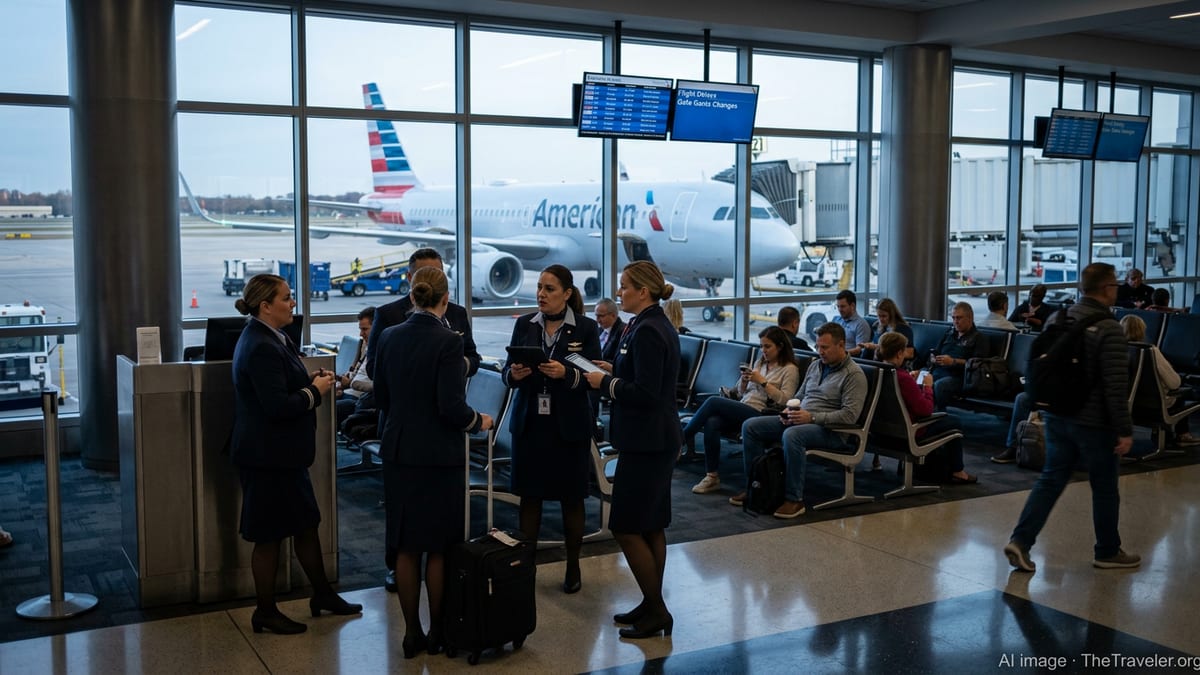
According to aviation blogs and social media posts summarizing the incident, the delay occurred on an American Airlines flight from Charlotte Douglas International Airport to Liberia, Costa Rica, when boarding was held up as the captain waited to collect a Starbucks order in the concourse. Passengers already at the gate were left watching a new departure time appear on screens while the aircraft remained at the stand.
Publicly available accounts indicate the delay was relatively short in operational terms, but its cause quickly resonated online. The idea that a pilot’s coffee run could slow a scheduled international departure was enough to turn a minor disruption into a viral talking point across travel forums and aviation-focused sites.
The episode surfaced at a time when airlines are under intensified scrutiny for even modest schedule disruptions. Travelers have grown more vocal about transparency around delays, and the notion that a nonoperational, discretionary errand contributed to a late pushback drew pointed reactions.
American Airlines has not issued a detailed public breakdown of the event, and standard airline systems typically classify such incidents generically as crew or operational delays. However, the specific Starbucks detail, reported in niche aviation coverage, is what turned this flight into a trending topic.
Why One Coffee Run Struck a Nerve
Beyond the novelty of its cause, the delay tapped into broader frustrations about the air travel experience in the United States. Recent years have brought a series of high profile disruptions tied to weather, air traffic control constraints, crew availability and technology failures, leaving passengers sensitive to any appearance of avoidable inconvenience.
In that context, a flight departing late because a pilot was still in a coffee queue has been framed by many online commenters as symbolic rather than exceptional. The situation was cited in travel discussions as evidence of a perceived gap between how rigorously passengers are expected to follow boarding times and how some operational staff manage their own schedule buffers.
Industry observers note that commercial pilots, like other airport-based workers, routinely rely on terminal concessions for food and drink between flights. With tight turn times and early morning departures, grabbing coffee before reporting to the aircraft is common across carriers. What made this case stand out was the timing relative to boarding and the way it surfaced publicly.
Commentary in aviation circles has also raised questions about internal expectations and supervision. While a short personal break is standard in most workplaces, critics argue that once boarding is imminent, airline employees are generally expected to be at the gate or on the aircraft, particularly when they are critical to departure.
American’s Coffee Reputation Under Fresh Spotlight
The Starbucks delay story gained extra traction because it intersected with a long running complaint among some travelers and frequent flyer commentators about American Airlines’ onboard coffee quality. Travel blogs and passenger forums have, for years, compared the carrier’s brew unfavorably with competitors, describing it as weak, bitter or inconsistent.
Those ongoing critiques have created fertile ground for the latest narrative. Commenters quickly framed the Starbucks detour as a vote of no confidence in the airline’s own product, arguing that if the person flying the aircraft is willing to risk a delay rather than drink the coffee available on board, it underscores the perception problem.
Publicly available coverage of airline catering trends shows that several U.S. and international carriers have invested in brand name coffee partnerships and upgraded beans to differentiate their inflight experience. While American has made periodic tweaks to its food and beverage offerings, online reviews suggest passengers still view its coffee as lagging behind some rivals.
Analysts note that in a highly competitive domestic market, comparatively small details such as cabin coffee, snack options and soft product touches can influence airline preference for frequent travelers. The Starbucks related delay has been cast by some travel writers as a missed opportunity for American, reinforcing negative associations at a time when other carriers are promoting premium beverage collaborations.
Social Media, Memes and the Cost of a Viral Delay
Within hours of the story surfacing on aviation sites, social media users began sharing memes and sarcastic commentary about the incident. Jokes about “crew rest” being redefined as “crew roast,” and passengers being held while the captain waited for a caramel latte, proliferated across platforms that regularly document flight disruptions and customer service mishaps.
Observers of airline public relations point out that such viral moments can impose a reputational cost disproportionate to the operational impact. A short delay that might otherwise register only as a routine schedule adjustment can become a widely shared anecdote when it appears to arise from avoidable or trivial causes.
For airlines, this dynamic underscores the importance of small day to day decisions by frontline employees, particularly in the smartphone era where passengers document gate areas and boarding processes in real time. Actions that previously might have remained within the airport terminal can now be broadcast instantly to a global audience.
In this case, the Starbucks line detail also dovetailed neatly with existing online narratives about American’s customer service and product consistency, giving critics another reference point to support broader complaints about the brand.
What the Incident Reveals About Airline Operations
Beyond the humor and frustration, the episode highlights tensions within modern airline operations. Tight scheduling, constrained staffing and high utilization of aircraft and crews leave limited margin for unscripted activity once boarding windows open. Even a brief personal errand can ripple into pushback times, gate utilization and downstream connections.
Industry analysts note that carriers have, in recent years, added schedule buffers and tightened crew procedures in an attempt to improve on time performance metrics. Despite those efforts, anecdotes continue to surface of departures delayed by late arriving staff, incomplete catering and last minute servicing tasks, particularly during peak travel periods.
The Starbucks delay also underscores how quickly operational details become entwined with brand perception. A cup of coffee, ordinarily a trivial aspect of the flight experience, became the focal point for broader criticism of American’s onboard product and service culture, layered on top of preexisting dissatisfaction with delays and irregular operations.
As travel demand remains strong and passengers continue to share their experiences widely online, airlines face continued pressure to manage both their schedules and their narratives carefully. For American Airlines, a single pilot’s coffee run has become an unexpectedly potent illustration of how even minor lapses can shape public conversation about an already scrutinized brand.