


More news on this day
An extended American Airlines delay that stranded Rep. Max Miller and two fellow House members, causing them to miss a series of evening votes, has triggered fresh outrage on Capitol Hill and renewed questions about airline reliability and passenger rights in the United States.
Get the latest news straight to your inbox!
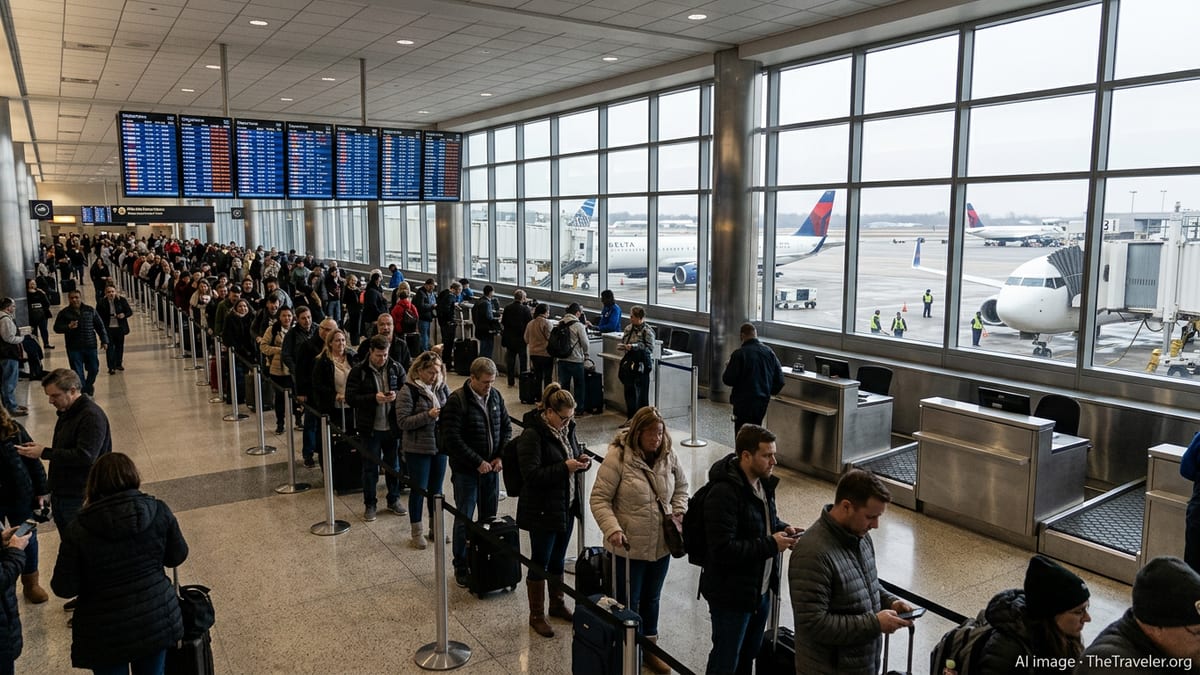
How One Delay Turned Into Missed House Votes
According to published coverage, Rep. Max Miller of Ohio was scheduled to return to Washington for votes on June 30 after spending the weekend away from the Capitol. His American Airlines flight was repeatedly delayed, ultimately preventing him and two other lawmakers from arriving in time for several House roll calls.
Reports indicate that among the votes missed was final passage of the Kids Internet and Digital Safety Act, a high profile measure focused on new safeguards for minors online. The bill cleared the House with room to spare, but the absence of three members because of travel disruptions quickly drew notice inside the chamber and beyond.
Miller took to social media to denounce the carrier’s performance, describing what he called repeated operational failures and asserting that three members of Congress had been sidelined by a single disrupted itinerary. His online posts helped propel the incident from a routine travel headache into a wider debate about airline reliability when even small schedule changes can derail carefully timed political calendars.
The episode adds a new, high visibility data point to ongoing concerns about delays at major U.S. airlines during periods of heavy travel and tight scheduling, particularly for routes that funnel lawmakers between their districts and Washington several times a week while Congress is in session.
American Airlines Issues Apology Amid Political Blowback
American Airlines responded publicly after the complaints gained traction, with statements cited in news reports acknowledging the disruption and offering an apology to the affected passengers. The carrier expressed regret that the delay had kept the lawmakers from making it back for votes and emphasized that it understood the importance of on time travel for all customers.
Publicly available information shows that the airline experienced hundreds of delays the same day, reflecting broader operational pressures related to summer travel, tight aircraft utilization and crew scheduling constraints. Industry data pointed to American Airlines as one of the carriers with a significant share of late departures that day, underscoring how a single delayed leg can ripple through the system.
The company’s acknowledgement, while conciliatory in tone, has not quelled criticism from some political figures and passenger advocates who argue that apologies do little to change the underlying incentives that allow significant delays to recur. They contend that high profile cases involving elected officials simply spotlight problems that many travelers experience without the same platform to complain.
For American Airlines, the incident arrives amid heightened public attention to its delay record and operational resilience. In recent months, the carrier has promoted policy changes such as streamlining the process for issuing meal vouchers when delays surpass several hours and are considered within the airline’s control, a move framed as a step toward more consistent treatment of stranded passengers.
Congressional Anger Taps Into Wider Frustration With Delays
The uproar over Miller’s missed votes comes against a broader backdrop of rising frustration with air travel disruptions. In recent months, a senior White House official publicly vowed to take a “new interest” in the airline industry after personal experience with a lengthy American Airlines delay attributed to a maintenance related issue. That earlier episode signaled that operational performance is drawing attention not only from passengers, but also from policymakers with direct influence over aviation oversight.
Other reports have documented frequent complaints from travelers about cascading maintenance and crew related delays at major carriers, including American, where relatively minor disruptions can soon become hours long waits as aircraft and staff fall out of position. Online forums and consumer advocacy groups have highlighted instances of rolling delay notifications that repeatedly push back departure times without clear explanations, contributing to perceptions of poor transparency.
The fact that the latest high profile delay affected sitting members of Congress, rather than anonymous passengers, has intensified the political dimension of the discussion. Missed votes are closely tracked by interest groups and can carry reputational risks for lawmakers, particularly on measures that attract national attention. When those absences are attributed to preventable travel issues rather than personal choice, some legislators view them as an unacceptable interference with their constitutional responsibilities.
Analysts note that air travel has long been a pressure point in relations between lawmakers and airlines, especially given the heavy reliance on shuttle style routes between Washington and political battleground states. Episodes where delays collide with critical floor action tend to amplify calls for accountability and can shape how Congress approaches future aviation legislation.
Passenger Rights and Regulatory Pressure Back in Focus
The American Airlines incident is also feeding into a renewed debate over passenger protections in the United States. In recent years, federal regulators have proposed and then scaled back more expansive compensation rules for delays and cancellations, leaving the U.S. far short of the automatic payout systems common in parts of Europe.
Current federal guidance centers on refunds when flights are canceled or significantly changed and on rules for lengthy tarmac delays, while compensation for schedule disruptions within an airline’s control often depends on individual carrier policies. Some carriers, including American, now outline in customer service plans that meal or hotel vouchers may be offered in certain circumstances, but there is no universal requirement for cash compensation tied to delay length.
Consumer advocates argue that high profile cases such as the Miller delay highlight the limits of a system that relies heavily on voluntary commitments by airlines. They contend that without firmer standards, passengers often face a patchwork of responses, ranging from relatively generous accommodations to minimal assistance even when delays stretch overnight.
Members of Congress critical of the current framework may now have fresh political impetus to revisit proposals that would strengthen passenger rights, including clearer definitions of “significant delay,” more consistent voucher policies and possible financial penalties for repeated operational failures. The fact that lawmakers themselves have been inconvenienced could shape the contours of any such discussions when they return to the negotiating table on aviation policy.
Potential Implications for American Airlines and the Industry
While a single delayed flight rarely alters an airline’s overall strategy, the optics of sidelining multiple House members on a voting day present reputational challenges for American Airlines. Public criticism from elected officials can have outsize influence on brand perception, particularly when it dovetails with existing narratives about reliability issues at a major carrier.
Industry observers note that American has already been under pressure to demonstrate progress on on time performance and operational resilience. Network complexity, aircraft utilization rates and staffing levels for pilots, flight attendants and ground crews all play a role in determining how quickly a carrier can recover when a flight goes off schedule. As scrutiny grows, the company may face questions about whether its current approach to scheduling and maintenance leaves sufficient buffers to protect time sensitive travelers.
The broader airline sector is watching closely as well. During past periods of heavy disruption, congressional anger has sometimes translated into hearings, data requests and calls for tougher oversight of operational practices. Even if no immediate legislative changes follow this particular incident, the political spotlight on delays and missed votes increases the likelihood that reliability metrics and consumer protections will feature prominently in any future debates about aviation policy.
For travelers, the American Airlines delay that prevented several lawmakers from voting underscores a familiar reality: in a tightly scheduled system, even a single operational hiccup can have cascading consequences. Whether the latest controversy leads to more lasting changes in how airlines plan, staff and compensate for disruptions remains an open question, but pressure from Capitol Hill now appears to be growing.