


More news on this day
Intense ceasefire diplomacy over Gaza taking place in Cairo is once more drawing attention to Egypt’s pivotal role as both mediator and transit hub, as travelers weigh shifting border rules, evolving airspace risks and a patchwork of government advisories across the wider Eastern Mediterranean.
Get the latest news straight to your inbox!
Cairo’s Mediation Role and the Rafah Border Reality
Egypt’s capital has become a recurring venue for indirect talks over Gaza, placing the country at the center of efforts to stabilize a conflict zone that directly touches one of its most sensitive frontiers. Publicly available information shows that Egyptian, Israeli and Palestinian representatives have cycled through rounds of technical and political discussions in Cairo aimed at securing ceasefires and arrangements for crossings, prisoners and humanitarian access.
Central to these negotiations is the Rafah crossing between Egypt and Gaza, historically the main civilian gateway for Palestinians to the outside world that does not pass through Israel. Reference material on the crossing indicates a pattern of intermittent openings and closures, with operations repeatedly constrained by security incidents, political disagreements and infrastructure damage on the Gaza side. This volatility has turned Rafah into both a humanitarian lifeline and a barometer of regional tension.
Recent coverage of the talks highlights a core Egyptian concern over any long-term foreign military presence along the Philadelphi Corridor that runs beside the border. Analysts note that Cairo views permanent changes on this strip as a potential threat to its sovereignty and to the stability of North Sinai, which has faced its own insurgency. These strategic calculations feed directly into how, and when, the crossing can safely function.
Travelers rarely pass directly through Rafah unless part of controlled movements or humanitarian arrangements, but the uncertainty around the crossing still shapes perceptions of Egypt’s borderlands. In practice, this means that even when the rest of the country remains open for tourism, news of renewed closures or clashes in the Rafah area can quickly influence booking decisions and tour routing.
Border Controls, Humanitarian Pressure and Overland Travel
Humanitarian agencies and international organizations describe a highly restrictive system for movement in and out of Gaza, with Rafah generally designated for people rather than commercial goods. Reports indicate that cargo typically flows through Israeli-controlled crossings, leaving Rafah as a narrow conduit for medical evacuations, foreign passport holders and limited categories of travelers when security conditions allow.
In response to repeated escalations, Egypt has periodically reinforced security along the border, expanded buffer zones and tightened controls on informal tunnels and routes. These measures are aimed at limiting weapons smuggling and militant infiltration, but they also underscore how fragile and tightly managed any cross-border movement has become. For independent travelers, this translates into the practical reality that non-essential overland trips anywhere near Gaza remain largely theoretical.
Regional statements and summit communiqués from Arab and Muslim-majority countries, including Egypt and Jordan, have emphasized opposition to mass displacement from Gaza and to one-way border openings that would allow exits without guaranteed return. This diplomatic stance reinforces that Rafah is not being positioned as a large-scale migration outlet, but rather as a controlled gateway whose status can change rapidly with each round of talks.
Tour operators that once promoted overland itineraries linking Egypt, Israel and the Palestinian territories are now more likely to route clients through established air corridors or to separate the destinations entirely. While some organized religious and heritage groups continue to combine itineraries, they often rely on chartered buses and close coordination with local partners to react quickly to border alerts.
Airspace Volatility and Aviation Risk Calculus
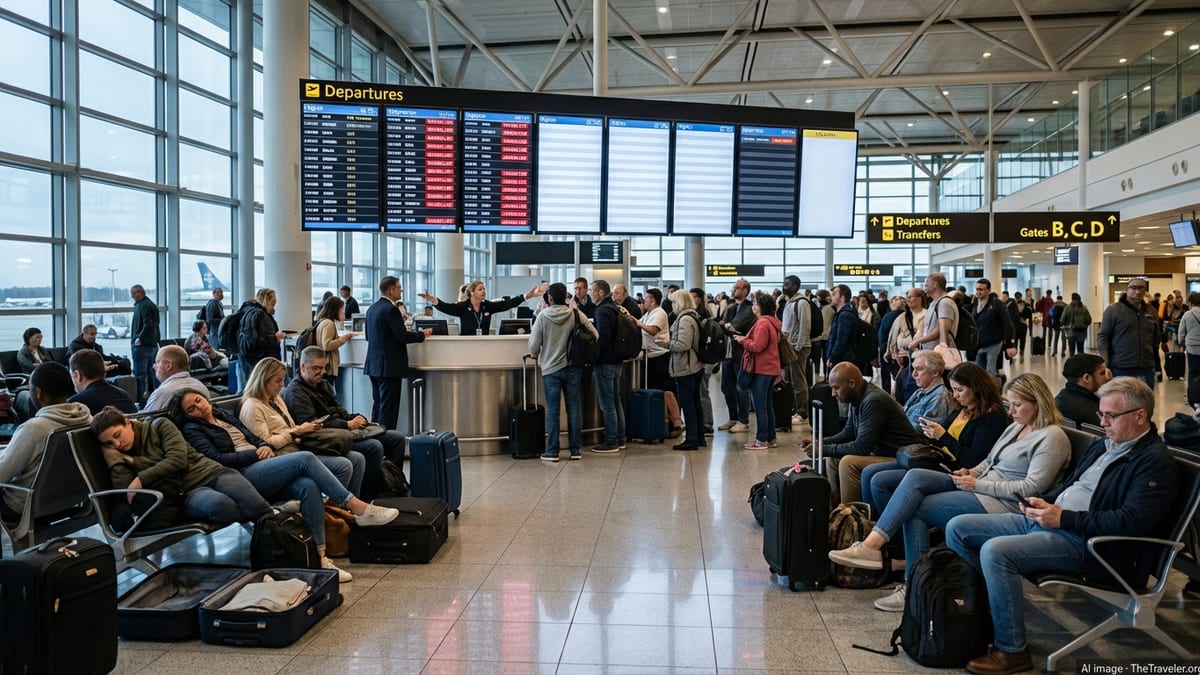
Alongside border uncertainty, aviation risk has emerged as a central concern for travelers watching the Gaza talks. Published travel advisories from Western governments continue to warn that fighting around Gaza and southern Israel can trigger sudden changes in airspace availability, as military authorities adjust flight paths or impose temporary closures during escalations.
Airlines serving Tel Aviv, Cairo, Amman and Red Sea resorts have already demonstrated how quickly schedules can shift, with some carriers suspending service for short periods during spikes in regional tension and others rerouting flights to avoid certain air corridors. Aviation analysts note that modern aircraft and routing systems can adapt to many of these changes, but the uncertainty adds an extra layer of planning for passengers who may face delays, missed connections or rebookings.
For Egypt, the stakes are particularly high because civil aviation is closely linked to tourism revenues and to the Suez Canal’s role in global trade. Industry commentary points out that any perception of broader regional instability, even if incidents are concentrated in Gaza or southern Israel, can weigh on demand for flights into Cairo and coastal destinations as cautious travelers look elsewhere.
At the same time, recent traveler accounts from forums and social media suggest that flights into major Egyptian gateways such as Cairo and Hurghada have continued to operate largely as normal during quieter periods of the conflict cycle. Many report routine airport procedures and full holiday flights, underscoring the gap that can exist between headline risk and on-the-ground experience when hostilities remain geographically contained.
Travel Advisories, Insurance and Itinerary Planning
Government advisories currently present a nuanced picture of regional risk. Publicly accessible guidance from several Western foreign ministries characterizes parts of Egypt as areas where increased caution is advised, particularly in North Sinai and along certain land borders, while allowing for tourism in much of the Nile Valley, the Red Sea coast and major cities. Israel and the Palestinian territories are typically subject to stronger warnings tied to the ongoing conflict.
Insurers draw heavily on these advisories when setting coverage limits and exclusions. Travel insurance policies often distinguish between routine travel disruptions and those arising from declared conflict, with some plans excluding cancellations linked to known events or pre-existing crises. As ceasefire talks in Cairo repeatedly raise and dash hopes of lasting calm, travelers are encouraged by industry bodies to read policy fine print closely and to consider “cancel for any reason” upgrades where available.
Specialist security consultancies recommend that visitors build flexibility into itineraries involving Egypt, Israel or Jordan, particularly when combining destinations. This can include allowing buffer days for potential flight changes, avoiding tight cross-border connections and choosing accommodation with generous cancellation policies. Many tour operators have adopted more adaptable booking terms to attract cautious visitors back to the region.
Despite the uncertainty, tourism boards and private-sector operators in Egypt continue to emphasize that the country’s core visitor circuits remain far from the front lines. Cruise ships on the Nile and resort complexes in the Red Sea are marketed as insulated from the Gaza border, though operators follow developments closely in case renewed fighting prompts wider security adjustments.
Shifting Perceptions and the Outlook for Regional Travel
Public debate around the Gaza conflict has had an undeniable impact on how travelers perceive the Eastern Mediterranean. News images of airstrikes, protests and border standoffs have influenced sentiment even among those planning trips to locations hundreds of kilometers from the front. Online travel communities reveal a steady stream of questions about whether it is sensible to book Egypt or Jordan holidays while ceasefire talks remain unresolved.
Yet the same discussions show a notable split between perception and lived experience. Many recent visitors describe relatively calm stays in Cairo, Luxor and Red Sea resorts, with security measures visible but unobtrusive and tourist sites operating normally. Their reports suggest that, for now, the direct physical impact of Gaza-related hostilities on most Egyptian tourism hotspots remains limited, though the psychological impact on booking behavior is more pronounced.
Looking ahead, the trajectory of regional travel will hinge on whether talks in Cairo can deliver more durable arrangements for Gaza and its borders. A clearer framework for Rafah and neighboring crossings could help stabilize humanitarian access and reduce the risk of sudden escalations that ripple into aviation and tourism. Conversely, any collapse of negotiations or widening of the conflict would likely prompt swift revisions to advisories, route networks and travel plans.
For travelers, the new normal across Egypt, Israel and surrounding states is constant monitoring of advisories, airline notices and verified local updates. As Egypt continues to balance its diplomatic role with domestic security concerns, the country’s position as both gateway and buffer ensures that developments at the Gaza frontier will remain tightly intertwined with the region’s travel landscape.