


More news on this day
American Airlines is gearing up for what reports indicate could be a record-breaking summer, with projections pointing to roughly 75 million customers between late May and early September and Orlando, London and Boston emerging as the season’s star destinations.
Get the latest news straight to your inbox!
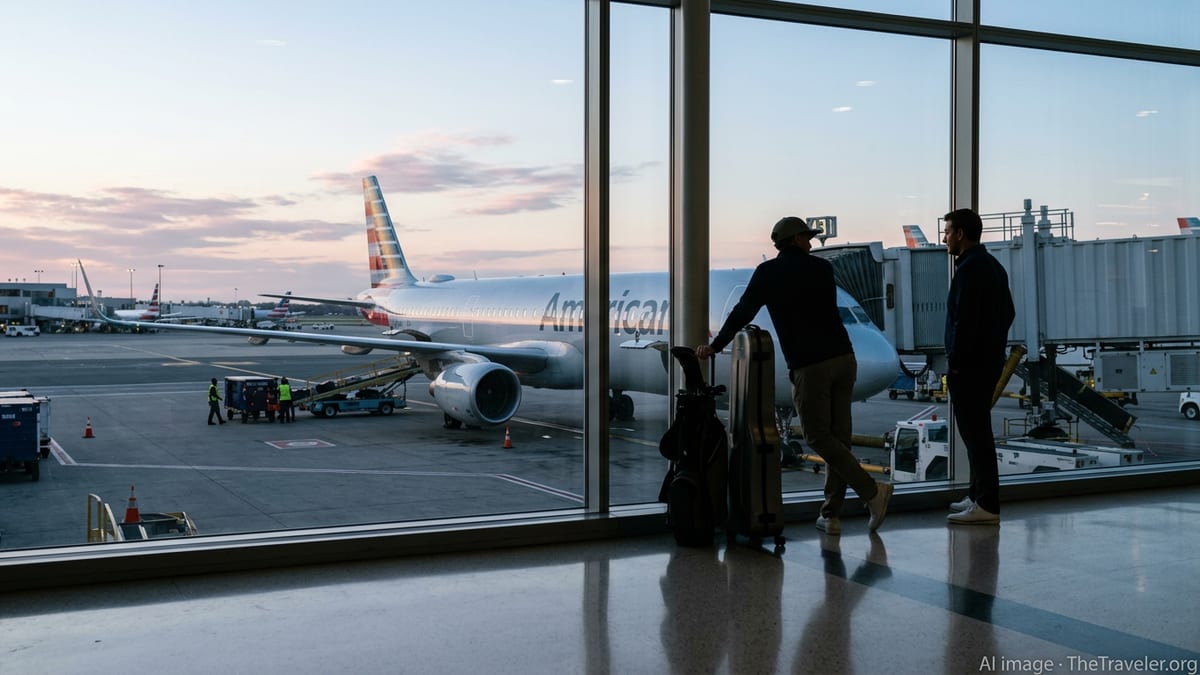
Record Summer Volumes Poised To Test The System
Publicly available industry data and scheduling information suggest that American Airlines is positioning itself for one of the busiest peak travel periods in its history, supported by an expansive summer timetable that, at its height, is scheduled to operate around five flights per minute across its network. Internal traffic summaries, government statistics on enplaned passengers and broader forecasts for U.S. carriers all point to continued growth compared with recent summers, reinforcing expectations that American’s seasonal totals could approach 75 million customers.
Trade group projections for U.S. airlines have already highlighted a multiyear pattern of record-setting summer demand, and American’s current schedule appears designed to capture a substantial share of that volume. The airline’s fleet of more than 1,000 mainline aircraft, combined with its American Eagle regional partners, underpins a dense network focused on domestic leisure flows and key long-haul corridors. With this capacity in place, even modest year-over-year increases in load factors would push the carrier toward new internal benchmarks for passengers carried.
The scale of the operation will test everything from airport infrastructure to customer-facing technology. Summer peak days are expected to see tens of thousands of departures industry-wide, and American’s share includes heavily banked waves at major hubs such as Dallas Fort Worth, Charlotte, Chicago O’Hare, Miami and Phoenix. For travelers, that translates into more nonstop options and shorter connection times, but also a greater reliance on digital tools and staffing plans that can keep pace with the surge.
Operational data from recent months shows steady passenger growth at multiple airports where American has a strong presence, suggesting the carrier is entering the summer with momentum. Incremental gains at mid-sized markets, combined with robust bookings on popular leisure routes, support the view that overall American-branded traffic could reach new highs even if broader economic signals remain mixed.
Orlando Leads Domestic Leisure Demand
Among American’s domestic destinations, Orlando stands out as a central driver of summer traffic. Industry travel reports consistently place the Central Florida city near the top of U.S. vacation rankings, reflecting demand for theme parks, family resorts and cruise connections. American’s schedule data and airport statistics indicate that the carrier has maintained a substantial presence into Orlando from multiple hubs, feeding both nonstop and connecting itineraries from across the country.
Recent travel trend analyses for the broader U.S. market highlight Orlando as a recurring top city for summer vacations, alongside other leisure-focused destinations. For American, this demand is amplified by strong school-holiday patterns and the city’s appeal to multi-generational groups, which translates into high load factors on peak-day flights. The combination of family-oriented packages, relatively predictable weather compared with some coastal markets and a wide range of price points has helped keep Orlando firmly in the spotlight.
As capacity increases across the network, Orlando’s role is likely to expand further, acting as a key absorber of the additional seats American is putting into the system. The carrier’s connections through hubs such as Charlotte and Dallas Fort Worth are structured to funnel customers from smaller communities into Central Florida with one stop, supporting a steady stream of arrivals even outside the traditional weekend peaks.
For the airline, strong performance on Orlando routes can help balance more volatile business-focused markets. High-density leisure flying tends to be more seasonal but can deliver efficient aircraft utilization during the busiest months, an important factor when a carrier is aiming to move tens of millions of passengers in a relatively short window.
London Anchors Transatlantic Growth
On the international side, London is emerging as a linchpin of American’s summer plans. Carrier announcements for the 2025 season show increased transatlantic flying, including expanded schedules on routes linking major U.S. hubs with London Heathrow. Industry coverage notes that London remains one of the most sought-after European cities for American travelers, buoyed by tourism, finance and corporate travel, as well as strong onward connections across Europe, the Middle East and Africa.
Recent information released through American’s own news channels highlights London as one of the top destinations for customers using loyalty miles for summer trips, underscoring the capital’s enduring appeal for high-value frequent flyers. This pattern aligns with broader market data showing that Europe continues to attract robust U.S. demand following the lifting of pandemic-era restrictions, with London frequently topping lists of preferred overseas cities.
American has also been refreshing the customer experience on key transatlantic routes, including the introduction of updated widebody cabins and premium-heavy aircraft on select services linking the United States and London. While aircraft assignments can shift, the general trend points toward concentrating some of the airline’s most advanced products on flights where premium and corporate traffic are strongest, a strategy that supports revenue growth during the peak months.
By pairing heavy London flying with its extensive North American network, American can offer a wide range of one-stop itineraries to and from secondary U.S. cities. This connecting traffic, combined with strong local demand in gateway markets such as New York, Philadelphia, Miami, Chicago and Dallas Fort Worth, helps fill transatlantic seats and contributes to the overall passenger totals that are expected to approach record territory this summer.
Boston Emerges As A Strategic Gateway
Boston is another focal point in American’s summer outlook, reflecting both organic demand and network strategy. Recent schedule expansions at Chicago O’Hare, for example, include additional frequencies to Boston, signaling that American views the New England market as an important outlet for domestic and international flows. Industry coverage of U.S. travel trends frequently lists Boston among the top urban destinations for summer tourism, supported by its walkable core, cultural institutions and coastal access.
In the competitive Northeast corridor, Boston also functions as a key connecting and origin point for transatlantic travel. While American faces strong competition from other U.S. and foreign carriers at Logan International Airport, its ability to tie Boston into hubs such as Chicago, Dallas Fort Worth and Charlotte enhances connectivity and helps feed long-haul flights. This role as both a local market and a feeder gateway strengthens Boston’s contribution to the carrier’s overall summer numbers.
Recent traffic statistics and booking-trend analyses suggest that U.S. travelers continue to show interest in historic cities with strong dining and cultural scenes, a category in which Boston scores highly. That appeal, coupled with relatively manageable flight times from much of the eastern United States, supports steady demand for both weekend getaways and longer stays, filling American’s flights at different price points.
As American adds departures to and from Boston, the city becomes more deeply integrated into the airline’s wider network strategy. Increased frequencies provide more schedule flexibility for travelers and can improve aircraft utilization, factors that are particularly important when a carrier is targeting tens of millions of passengers over a single summer season.
What A Record Summer Means For Travelers
The prospect of American handling around 75 million passengers over the summer period carries tangible implications for travelers. On the positive side, the airline’s expanded schedule means more nonstop options, additional banked connections through major hubs and increased service to popular destinations such as Orlando, London and Boston. For many customers, that translates into shorter journey times and more choice on departure times and routings.
At the same time, the sheer scale of anticipated volume heightens the importance of preparation. Public guidance from industry analysts and travel advisors increasingly emphasizes early booking, flexible travel dates and the use of mobile apps for real-time updates on gates, schedules and baggage. With aircraft flying close to capacity on peak days, last-minute changes can be harder to accommodate, particularly on routes where demand is strongest.
American and its competitors have invested in technology to improve the flow through airports, including self-service check-in, automated bag drops and enhanced baggage tracking. These tools are expected to play a larger role as summer traffic climbs, helping carriers manage congestion at check-in counters and reducing some of the friction points that can emerge during peak travel periods.
For travelers planning trips to Orlando’s theme parks, London’s historic neighborhoods or Boston’s waterfront and cultural districts, the current projections suggest that 2026 could be one of the busiest summers yet in the skies. With American’s network geared toward carrying record numbers of passengers, those who plan ahead and build extra time into their journeys are likely to be best positioned to navigate the crowds and take full advantage of the expanded schedule.