

More news on this day
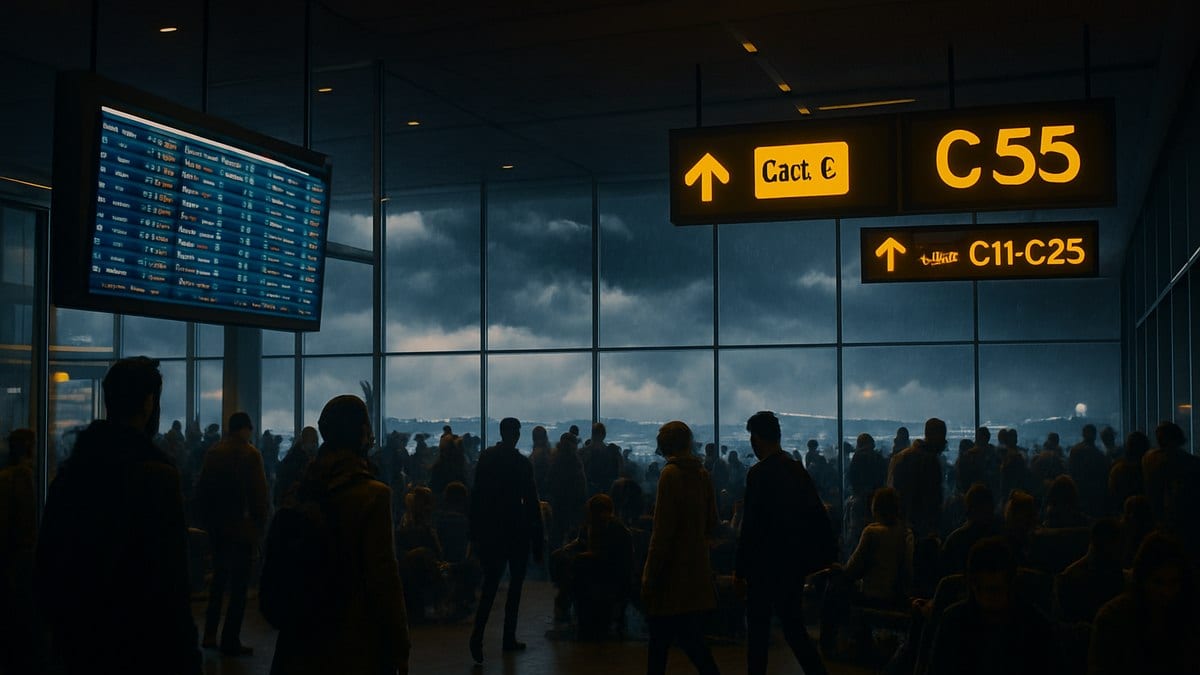
Travelers passing through New York’s John F. Kennedy International Airport in April 2026 are confronting a new round of delays and cancellations, as spring weather, staffing constraints and a strained national aviation network combine to slow operations at one of the country’s busiest international gateways.
Get the latest news straight to your inbox!
Fresh Disruptions Hit a Key April Travel Window
Published coverage and flight-tracking snapshots indicate that JFK has seen elevated disruption levels in the opening days of April, with delay counts climbing well above what passengers typically experience outside peak holiday periods. On April 10 alone, one industry roundup put JFK’s tally at more than 120 delayed departures and arrivals, along with a double-digit number of cancellations affecting both domestic and long-haul routes.
These figures place JFK among the more affected large U.S. hubs in the same time frame, amid a broader pattern of nationwide turbulence for travelers. Data compiled from airline and aviation reports suggests that thousands of passengers have had itineraries altered across the U.S. during early April, with New York repeatedly singled out as a pressure point whenever storms or staffing bottlenecks emerge elsewhere in the system.
While some days in the month have seen relatively smooth operations, other days have been marked by long lines at check-in and security, rolling departure pushes and tight connection windows. Travel analysts note that this alternating pattern can be especially challenging for passengers, because it creates a sense of unpredictability about what conditions they will encounter on any given travel day.
The disruptions come at a time when carriers were hoping for a more stable spring, following several years of operational stress. Instead, the first weeks of April 2026 have underscored how quickly performance at JFK can deteriorate when weather, crew availability and air traffic capacity all tighten at once.
Weather and Network Ripple Effects Drive Many Delays
Weather remains one of the primary drivers of April’s flight problems. Early-month systems moving across the Mid-Atlantic and Northeast triggered ground delay programs at multiple airports, slowing arrivals and departures throughout the New York region. Even when JFK itself was not under severe conditions, storms in other parts of the country disrupted aircraft and crews scheduled to operate into and out of the airport, contributing to knock-on delays hours later.
Travel and aviation outlets tracking the Easter and post-Easter period reported that more than 5,000 flights nationwide were delayed or canceled over several days in early April, a volume that placed significant pressure on major hubs. Although some of the worst weather hit other cities, the interconnected nature of the U.S. route network meant that JFK still absorbed a portion of the impact as aircraft rotated through New York on multi-leg journeys.
Analysts explain that this ripple effect is especially pronounced at international gateways such as JFK, where long-haul flights depend on feeder traffic from other U.S. cities and overseas hubs. A disruption in the morning at a Midwestern or Southern airport can translate into a late-arriving aircraft at JFK in the afternoon or evening, which in turn delays departure for an overnight transatlantic or transpacific flight.
The result for passengers is a pattern of delays that can seem disconnected from local weather conditions. On days when skies over New York appear calm, travelers may still encounter late departures, extended tarmac waits or missed connections because earlier storms elsewhere in the network have left crews and aircraft out of position.
Staffing Constraints and Slot Relief Shape Operations
Operational data and federal filings highlight another pressure point behind JFK’s April reliability challenges: constrained air traffic control staffing in the New York region. The Federal Aviation Administration has previously acknowledged that key New York-area facilities may not reach desired staffing levels until after 2026, and has continued to grant slot relief at JFK and nearby LaGuardia to prevent schedules from overwhelming available capacity.
Recent government documents describe a pattern in which heavy scheduling during the afternoon and evening peak leaves little margin when staffing is tight, increasing the risk that modest disruptions will grow into lengthy delays or even cancellations. By allowing airlines to temporarily reduce some scheduled operations without losing valuable takeoff and landing rights, regulators aim to relieve congestion that might otherwise snarl traffic even more severely.
Industry observers point out that this balancing act has shown mixed results so far. While the policy has likely prevented even higher levels of delay, April’s figures at JFK demonstrate that the combination of strong demand and persistent staffing constraints still produces frequent operational strain. On certain days, delay metrics remain elevated even with pared-back schedules, suggesting that the system is operating close to its practical limits during peak travel windows.
At the same time, security and ground staffing have been under scrutiny, with consumer reports describing intermittent surges in TSA wait times and longer lines at check-in during busy morning and evening banks. Although not every delay can be traced directly to workforce availability on the ground, observers note that tight staffing across multiple functions reduces the flexibility needed to recover quickly when flights go off schedule.
Passengers Feel the Impact Across Carriers and Routes
The disruption at JFK has not been limited to any single airline or route type. Domestic carriers with large New York operations, including major network airlines and low-cost competitors, have all seen flights delayed or canceled on several April travel days. International airlines serving Europe, the Middle East and Asia have also reported schedule changes, particularly on days when national disruption totals spike across the U.S. system.
One early April tally compiled from flight-tracking data showed dozens of delayed departures on popular transcontinental routes linking JFK with Los Angeles and San Francisco, along with significant hold-ups on services to Florida and other East Coast leisure destinations. Separate snapshots highlighted cancellations and delays on transatlantic services, with some long-haul departures pushed back as inbound aircraft arrived late or required extended servicing after weather-affected flights.
For travelers, the effect has been a mix of missed connections, last-minute rebookings and lengthened travel days. Consumer advocacy groups and travel publications continue to emphasize the importance of monitoring airline apps closely, signing up for text or email alerts, and having contingency plans for overnight stays in case disruptions cascade into the following day.
Some passengers have reported success in rerouting through alternate Northeast airports on the most disrupted days, particularly when carriers retain flexibility to shift travelers between JFK, Newark and occasionally Boston. However, this option is often limited by aircraft availability and seat capacity, especially when multiple hubs in the region are experiencing weather or staffing challenges at the same time.
What April’s Pattern Signals for the Summer Travel Season
Analysts watching April’s performance at JFK suggest that the month may offer an early preview of what travelers can expect heading into the busy summer season. The combination of strong demand, weather vulnerabilities and constrained air traffic control staffing is unlikely to ease significantly by the peak months of June, July and August.
Several aviation briefings released in recent weeks point to a broader national pattern in which relatively modest storms or technical issues trigger disproportionate levels of disruption, particularly at large connecting hubs. JFK’s April experience fits squarely within that trend, reinforcing concerns that the system remains sensitive to shocks even outside traditional holiday surges.
Travel experts say that passengers planning to fly through JFK in the months ahead may want to build in additional buffers, such as choosing earlier departures, allowing more time for connections and avoiding tight same-day links to cruises or long-distance rail journeys. Flexible tickets and robust travel insurance coverage are also being highlighted as tools that can reduce financial risk when flight plans are disrupted.
For now, April 2026 stands as another reminder that New York’s primary international gateway remains one of the country’s most delay-prone airports during periods of heightened demand and unsettled weather. While daily performance can swing from smooth to snarled, the underlying constraints that have shaped this month’s disruptions show few signs of disappearing before the end of the year.