

More news on this day
Spring 2026 is off to a turbulent start for air travelers at New York’s John F. Kennedy International Airport, where April weather disruptions and operational ripple effects have contributed to more than 127 flight delays and a cluster of cancellations in the opening days of the month.
Get the latest news straight to your inbox!
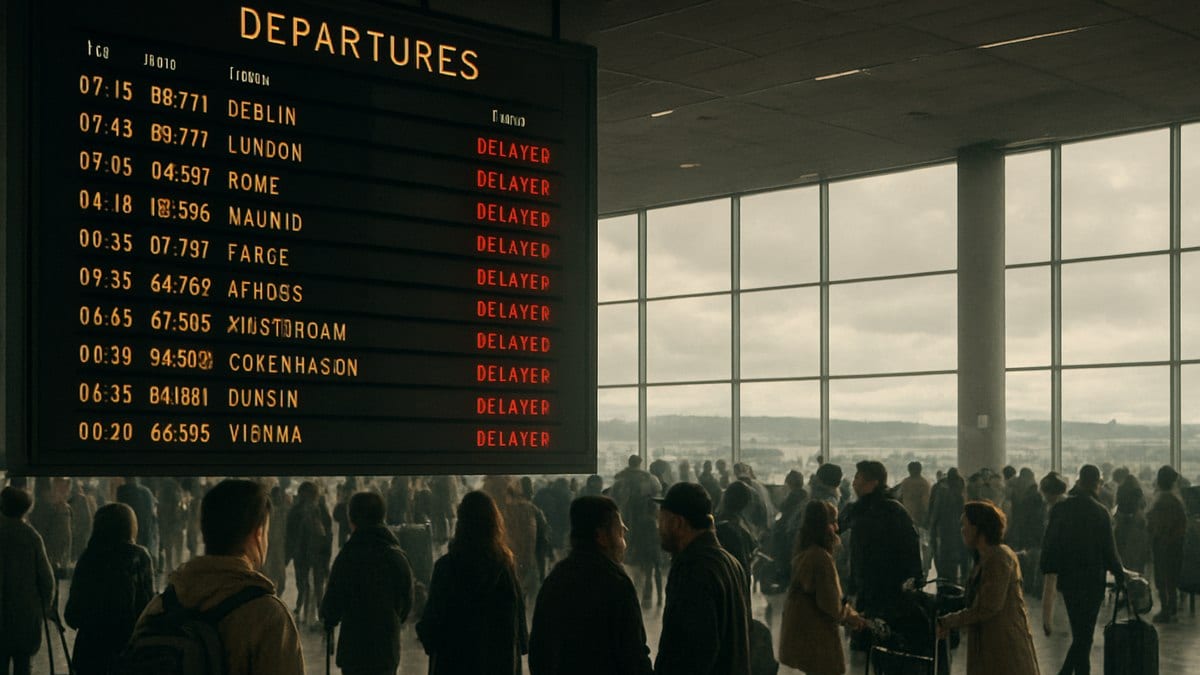
April 10 Sees 127 Delays as Weather and Operations Collide
Publicly available flight-tracking data and scheduling reports for April 10 indicate that JFK recorded at least 127 delayed departures and arrivals, along with a dozen cancellations, affecting both domestic and long-haul international routes. The figures place the airport among the most affected hubs in the United States on that day, even as other major airports also struggled with weather-driven disruption.
Industry coverage notes that the April 10 delays did not stem from a single dramatic storm event directly over the airport, but from a mix of unsettled spring weather patterns in the Northeast combined with tight turn times and already stretched airline resources. Periods of low cloud, gusty crosswinds and passing showers can prompt air-traffic flow restrictions, which then compress runway capacity and slow arrivals and departures.
While JFK’s official status page around the same period showed no prolonged ground stop, the airport’s complex runway layout and heavy long-haul schedule mean that even short-lived reductions in arrival rates can quickly translate into mounting delay totals. Once early-morning and midday flights fall behind schedule, knock-on effects often continue into the evening wave of transatlantic and transcontinental departures.
Travel industry analysts observing the April 10 data point out that the 127 delays and 12 cancellations are part of a broader early spring pattern rather than a standalone anomaly, with carriers still recalibrating from an intense winter season and Easter holiday demand surges across the U.S. network.
Ripple Effects From Easter Storms Across the National Network
The April 10 backlog at JFK comes on the heels of a disruptive Easter travel period, when strong storm systems swept across large sections of the United States. Flight-tracking services and national media tallies recorded tens of thousands of delays and hundreds of cancellations nationwide between April 2 and April 6, as thunderstorms, high winds and heavy rain disrupted operations at key hubs from Chicago to Florida.
Reports on the Easter weekend disruptions describe particularly sharp impacts at major Midwest and Sun Belt airports, where convective storms forced temporary ground stops and route adjustments. Although New York-area airports were not always at the center of those systems, the national hub-and-spoke structure means that aircraft and crews scheduled to reach JFK often originated from weather-affected cities.
By early April, this combination of rolling thunderstorms, backlog in aircraft positioning and high leisure demand created a fragile operating environment. Even when skies were relatively calm over New York, residual impacts from earlier storms in other regions could still translate into long gaps between scheduled and actual departure times at JFK, especially for airlines with complex connecting banks.
Transportation analysts note that the early-April episode underscores how increasingly volatile shoulder-season weather can intensify existing pressures on airline networks. As carriers run fuller schedules with less slack capacity, spring storms that once generated localized disruption are now more likely to ripple through multiple hubs simultaneously, including JFK.
JFK’s Spring Vulnerability: Wind, Rain and Capacity Constraints
April is traditionally a transitional month for New York weather, and the 2026 pattern has highlighted how that transition can catch both airports and airlines in a difficult middle ground. Temperatures may be relatively mild, but frequent frontal passages still bring strong winds, low ceilings and sudden showers that challenge approach and departure corridors over Jamaica Bay and the Atlantic.
Aviation specialists often point to JFK’s runway configuration and coastal location as key factors. Crosswinds can limit which runways are usable, while low visibility can require increased spacing between aircraft on approach. When those conditions overlap with peak departure waves for long-haul flights to Europe, Latin America and Asia, the practical arrival rate can fall well below the theoretical maximum that planners use when building schedules.
Recent operational commentary has also highlighted the role of ongoing infrastructure and airspace modernization projects around the New York metro area. Construction, revised approach procedures or temporary runway closures can further reduce flexibility during adverse weather. When combined with early spring storms, the result is a narrower margin for recovering from even minor disruptions.
The April 2026 pattern illustrates how this vulnerability plays out on the ground. Passengers at JFK in recent days have reported rolling departure estimates, gate changes and extended time waiting on taxiways, all consistent with a system trying to absorb delays while keeping as many flights operating as possible.
Airlines and Routes Most Exposed to the Delays
Analysis of April 10 flight data and recent national coverage indicates that the brunt of JFK’s delays fell on carriers with large connecting operations at the airport and on high-frequency domestic and transborder routes. JetBlue, Delta Air Lines and American Airlines, which each operate extensive JFK schedules, were among those most affected as weather and staffing constraints cascaded through their networks.
Short- and medium-haul flights to major East Coast and Midwestern cities, including Boston, Washington, Chicago and Orlando, appeared particularly exposed. These routes often rely on quick aircraft turnarounds, and a late inbound arrival can rapidly translate into subsequent outbound delays. Once those aircraft are scheduled to continue to international destinations, any initial slippage can propagate into overnight and next-day schedules.
Long-haul services were not immune. Flight-tracking snapshots from early April show instances where departures to European and Middle Eastern hubs left JFK well behind schedule, sometimes due to late-arriving aircraft repositioning from other storm-affected U.S. airports. Such delays can complicate crew duty-time planning and aircraft rotations, leading in some cases to tactical cancellations when recovery within legal limits is no longer feasible.
While individual carriers publish their own explanations for disrupted flights, aggregated data from online trackers and travel-industry reporting consistently list weather and air-traffic flow management among the leading catalysts for the April delay spikes at JFK.
What Travelers Can Expect Through the Rest of April
With several weeks remaining in the spring travel season, forecasters and aviation observers suggest that intermittent weather-driven disruptions at JFK are likely to continue. Long-range outlooks for the Northeast hint at additional fronts bringing periods of rain and gusty winds, although not necessarily on the scale of the winter blizzards that affected the region earlier in 2026.
Travel planners emphasize that even moderate weather events can have outsized impacts when combined with high passenger volumes and near-peak aircraft utilization. Flights connecting through busy hubs, last departures of the day and itineraries that depend on tight minimum connection times are generally more vulnerable to knock-on delays when storms arise anywhere in the network.
For the remainder of April, JFK passengers may see airlines continue to adjust schedules in advance of forecast storms, sometimes consolidating lightly booked flights or building in longer connection windows. Publicly accessible operations updates and travel-advice features recommend that travelers monitor flight status frequently on the day of departure and consider earlier departures where possible during unsettled weather periods.
While April 10’s tally of at least 127 delays and more than a dozen cancellations stands out as a clear high point in this latest episode of disruption, it also serves as a reminder that spring 2026 is shaping up to be another season where weather and tight schedules intersect, leaving little margin for error at one of the world’s busiest international gateways.