

More news on this day
From temple towns in Japan to tea valleys in Sri Lanka, a growing number of Asian destinations are repositioning themselves around slow travel, encouraging visitors to linger longer, spend locally and explore at a calmer, more sustainable pace.
Get the latest news straight to your inbox!
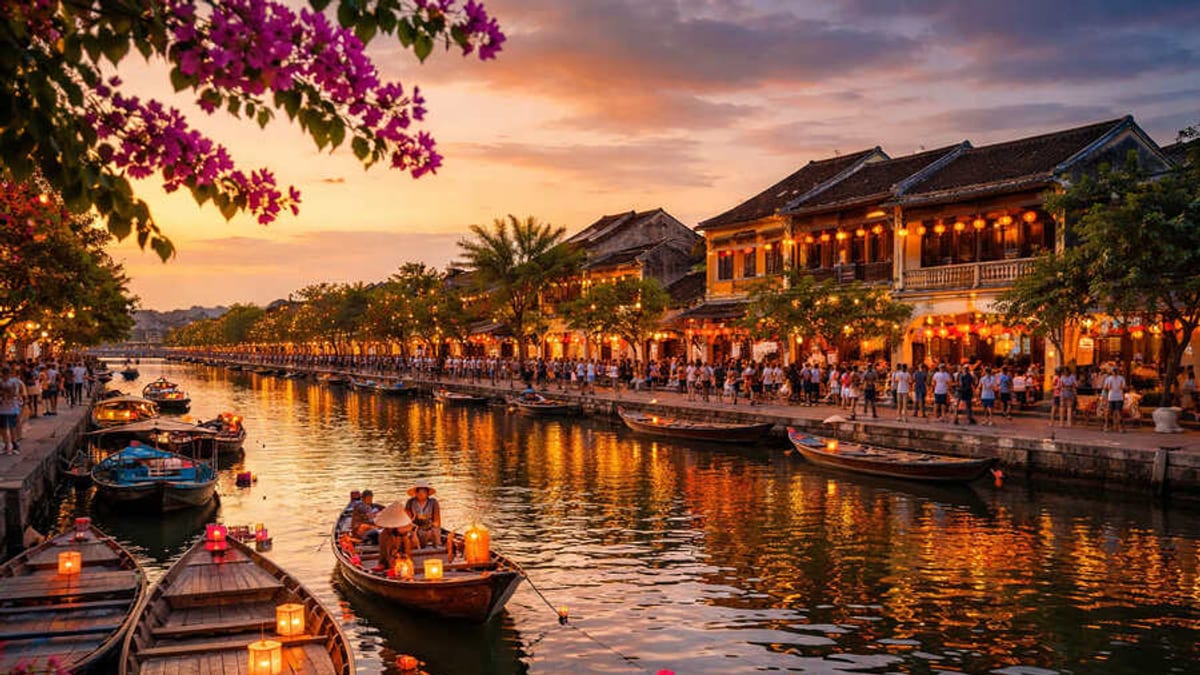
Image by Latest International / Global Travel News, Breaking World Travel News
Japan Positions Itself as a Hub for Unhurried Exploration
Japan is emerging as one of the strongest anchors of Asia’s slow travel movement, building on record domestic tourism and robust international demand. Publicly available statistics show that domestic trips reached hundreds of millions in 2024, reflecting renewed appetite for multi-day itineraries that combine culture, food and nature rather than quick city breaks. At the same time, analysis from industry groups and financial institutions indicates that Tokyo and Osaka rank among the world’s fastest-rising destinations for longer summer stays, signaling that international visitors are increasingly using Japan as a base for extended exploration across regions.
Tourism planners in Japan are leaning into this shift by spotlighting rail-based itineraries, regional passes and lesser-known towns that reward slow travel. Regional authorities and railway companies are promoting scenic local lines, hot spring villages and coastal walking routes as alternatives to pressure points around major landmarks. This approach aims to spread visitor spending more evenly, ease congestion and appeal to travelers seeking quieter neighborhoods, traditional guesthouses and multi-night stays in a single location.
Wellness and cultural immersion are being woven more explicitly into marketing around longer trips. Reports on Japan’s tourism recovery note increasing emphasis on experiences such as forest bathing, temple lodging stays, craft workshops and onsen retreats, all of which lend themselves to slower, itinerary-light travel. Combined with efficient public transport and a strong safety reputation, these offerings position the country as a natural gateway for travelers who want to disconnect from fast-paced work routines without sacrificing comfort or connectivity.
Japan’s role in the regional trend is also supported by broader economic studies showing that Asia Pacific is driving global interest in purpose-led and wellness-focused journeys. As visitors look for trips that deliver rest as well as cultural discovery, Japan’s mix of urban convenience and tranquil landscapes is being reframed as an ideal backdrop for extended, low-intensity travel.
Thailand and Vietnam Encourage Longer, Greener Stays
Across Southeast Asia, Thailand and Vietnam are at the forefront of policies that make it easier to slow down. In Thailand, government announcements in recent years have expanded visa-free entry and extended standard stays for visitors from dozens of countries, from 30 to 60 days in many cases. Coverage in regional and international media characterizes these changes as part of a strategy to attract tourists, students and remote workers who are willing to base themselves in one place for weeks at a time rather than moving rapidly between cities.
Tourism campaigns in Thailand increasingly highlight “green season” travel, slow routes through secondary cities and homestay-style experiences that keep visitors in local communities longer. Domestic initiatives launched by the Tourism Authority of Thailand emphasize creative, low-impact tourism during the rainy months, when landscapes are lush and crowds are thinner. These programs are designed to smooth out seasonal peaks, reduce pressure on popular islands and encourage travelers to adopt a more relaxed rhythm of exploration.
Vietnam, meanwhile, has been one of the region’s strongest post-pandemic performers, with arrivals in 2024 approaching or exceeding pre-2020 levels according to regional analysis. The country’s tourism narrative is evolving beyond major hubs such as Hanoi, Ho Chi Minh City and Ha Long Bay to include smaller coastal towns and highland regions that naturally lend themselves to slower travel. Industry and media reports highlight rising interest in beach cities and central-coast destinations, where visitors are more likely to stay for a week or longer, combining remote work, food-focused itineraries and short excursions into nearby countryside.
Policy changes have supported this shift. Vietnam has expanded visa exemptions for select nationalities and introduced longer e-visa durations in recent years, making it easier for travelers to plan multi-week stays. At the same time, investment in rail upgrades and domestic air links is connecting lesser-known regions, allowing visitors to structure itineraries that remain focused on one province or coastline while still feeling varied and rewarding.
Indonesia and Laos Spotlight Nature, Culture and Off-Peak Calm
Indonesia is using its vast archipelago to build a network of slow travel corridors well beyond Bali. National and provincial tourism plans referenced in regional outlooks describe efforts to disperse visitors to destinations such as Labuan Bajo, Lombok and parts of Sulawesi, where small-scale resorts, diving communities and nature lodges already attract travelers willing to spend several days in one place. By pairing these locations with conservation zones and community-based tourism cooperatives, Indonesia is leaning into a model where fewer visitors staying longer generate more stable income for local residents.
Reports on Southeast Asia’s tourism recovery emphasize that Indonesia’s international arrivals have grown steadily since borders reopened, giving the country room to shape demand around sustainability and slower experiences. Trekking routes, marine parks and volcanic landscapes are being promoted alongside wellness retreats and surf camps that expect guests to remain for a week or more. This emphasis aligns with global traveler surveys that point to strong interest in nature, wellness and reduced crowding, especially among long-haul visitors.
Laos, though smaller in visitor numbers, has long been associated with tranquil pacing, and recent infrastructure improvements are subtly reshaping how slow travel unfolds there. Coverage of regional connectivity projects highlights the impact of new rail links and upgraded roads, which allow travelers to move more comfortably between river towns, karst landscapes and heritage cities. Instead of encouraging quick transits, tourism marketing focuses on multi-night stays along these routes, showcasing riverside lodges, handicraft villages and cycling-friendly countryside.
As neighboring countries compete for volume, Laos is positioning its relative quiet as an asset. Public-facing documents from regional tourism bodies often cite the country as a case study in low-density, experience-driven travel, where river cruises, temple visits and farm stays are designed to fill days rather than hours. For visitors seeking a reset from urban life, this measured approach reinforces the appeal of traveling slowly, with fewer internal flights and more time in a handful of destinations.
India and Sri Lanka Build Wellness and Heritage-Focused Journeys
In South Asia, India and Sri Lanka are leaning heavily into wellness, heritage and rail-based tourism that naturally favors slower itineraries. Industry and government reports note that India has been among the world’s fastest-growing outbound and domestic travel markets, but there is parallel growth in inbound visits built around yoga retreats, Ayurveda, wildlife safaris and long rail journeys. These experiences typically involve week-long or multi-week stays in one region, such as Kerala’s backwaters, Rajasthan’s desert forts or Himalayan towns geared toward trekking and meditation.
Policy reforms have supported this evolution. India has expanded e-visa availability and simplified entry for many nationalities, making it easier for visitors to plan extended trips that might combine multiple states. Tourism promotion materials now highlight themed circuits such as Buddhist heritage trails, coastal culinary routes and slow river cruises, all designed to encourage travelers to spend more time in each stop rather than ticking off as many cities as possible.
Sri Lanka, emerging from economic turbulence and political uncertainty, is also refocusing on longer-stay visitors who value nature and wellness. Reporting from international outlets describes how the country’s tourism strategy is pivoting toward high-value, low-volume travel, with special attention to boutique properties, wildlife parks and tea country retreats. Scenic train routes between Colombo, Kandy and Ella have become emblematic of this shift, frequently cited as quintessential slow travel experiences where the journey itself is a key attraction.
As confidence returns, Sri Lanka is foregrounding experiences such as yoga stays on the south coast, community-run lodges in the central highlands and multi-day safaris in national parks. These offerings naturally appeal to visitors who want to travel less frequently between regions, lowering their environmental footprint while deepening engagement with local food, culture and landscapes.
Slow Travel Aligns with Global Trends in Wellness and Sustainability
The collective moves by Japan, Thailand, Vietnam, Indonesia, Laos, India and Sri Lanka sit within a wider global shift in traveler behavior. Surveys from major financial institutions, consulting firms and tourism organizations for 2025 and 2026 point to growing demand for wellness-oriented breaks, fewer but longer international trips and off-peak travel to avoid crowds. Travelers are increasingly weighing environmental impact, cost-of-living pressures and work flexibility when planning holidays, which makes slow, multi-week stays more attractive than frequent short-haul getaways.
Economic and policy analyses published in recent months highlight how Asia Pacific is leading this transition. The region has seen particularly strong interest in destinations that offer both connectivity and calm, from major cities with reliable infrastructure to quieter coastal and mountain regions within a few hours’ travel. Japan’s efficient rail network, Thailand’s visa relaxations, Vietnam’s coastal expansions, Indonesia’s new gateways, Laos’s emerging rail corridors, India’s themed circuits and Sri Lanka’s revitalized rail and wellness hubs together form a loose, unofficial circuit of slow travel across the continent.
At the same time, regional tourism outlooks from organizations such as the Pacific Asia Travel Association, ASEAN bodies and the OECD suggest that destinations are using slow travel as a tool to manage recovery, spread benefits beyond traditional hotspots and reduce overtourism. By encouraging visitors to come for longer but move less often, these countries aim to stabilize local employment, support small businesses and protect cultural and natural heritage assets.
For travelers, the result is a growing range of journeys that prioritize rest and reconnection over speed: a month in a Japanese neighborhood near a local market, a rainy-season residency in a Thai or Vietnamese coastal town, a series of week-long retreats in Indonesia or Sri Lanka, or an extended rail-based circuit across India or Laos. The convergence of policy changes, infrastructure investment and shifting traveler expectations suggests that slow travel in Asia is moving from niche preference to mainstream option, reshaping how visitors experience some of the region’s most compelling destinations.