

More news on this day
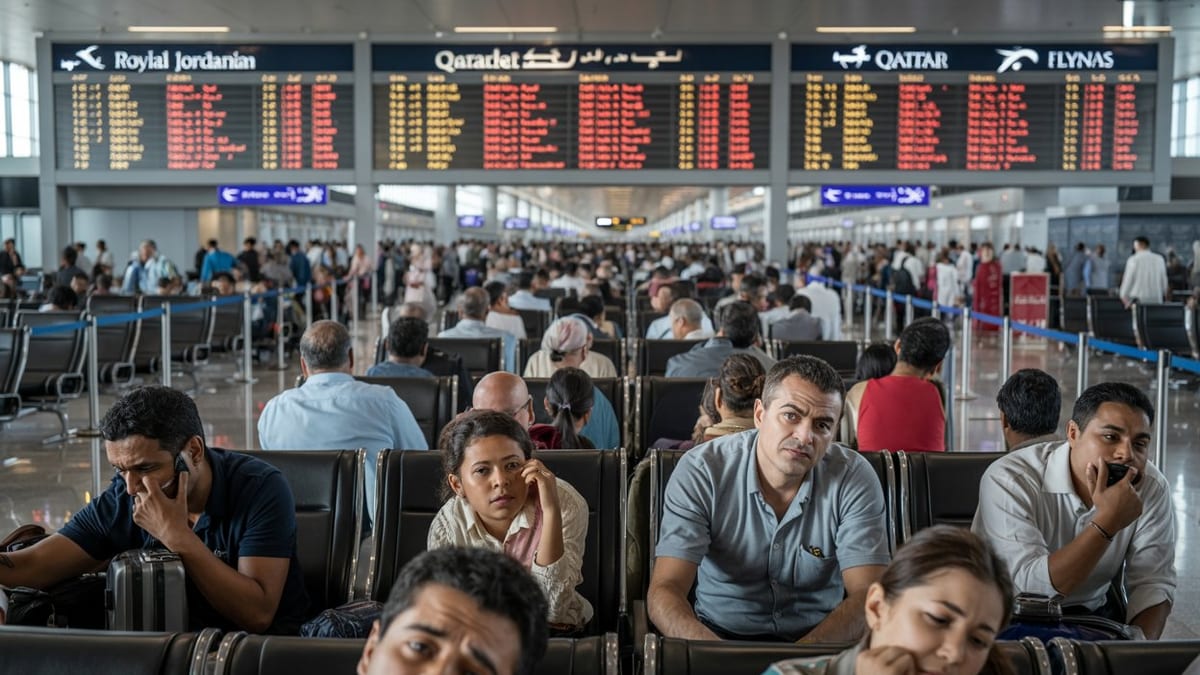
Hundreds of passengers were left stranded at Hartsfield Jackson Atlanta International Airport on April 11 as a wave of 129 delays and 23 cancellations disrupted flights operated by Delta Air Lines, SkyWest, Endeavor Air, Air Canada and several other carriers, affecting key routes to Fort Lauderdale, Aspen, Puerto Rico and Querétaro.
Get the latest news straight to your inbox!
Targeted Disruptions at the World’s Busiest Hub
Publicly available tracking data for April 11 indicates that Atlanta once again emerged as one of the most heavily impacted hubs in a wider pattern of nationwide air travel disruption. While the total number of delayed and canceled flights in the United States reached into the thousands, the concentration of 129 delays and 23 cancellations tied to major and regional carriers at Atlanta left terminals crowded and departure boards dominated by red and yellow alerts.
Delta Air Lines, which operates its largest hub at Hartsfield Jackson, carried much of the burden. Reports on same day operations show Delta registering dozens of delays and multiple cancellations systemwide, with a notable share touching Atlanta. Regional partners such as SkyWest and Endeavor Air, which operate many of Delta’s shorter feeder routes, also reported a cluster of disrupted services into and out of the Georgia hub, magnifying the effect on connecting passengers.
Air Canada and other international carriers saw knock-on impacts as well, with delayed departures from Atlanta affecting onward connections in Canada, Mexico and the Caribbean. Aviation monitoring platforms show that while many long haul services ultimately departed, late arriving aircraft and shifting crew schedules contributed to rolling delays that extended into the evening bank of flights.
Operational summaries suggest the pattern in Atlanta skewed more toward targeted cancellations than blanket delays, reflecting what analysts describe as efforts by airlines to protect the broader schedule by cutting select frequencies where rebooking options exist. However, for travelers on those specific flights, the practical result was hours of uncertainty and, in many cases, overnight stays.
Key Routes to Fort Lauderdale, Aspen, Puerto Rico and Querétaro Affected
The disruption was felt most acutely on several leisure and connecting routes that rely heavily on Atlanta as a transfer point. Fort Lauderdale, a major gateway to South Florida cruises and Caribbean connections, saw Atlanta-linked services placed on rolling delay throughout the day, stretching turnaround times and compressing already tight connection windows for travelers heading onward to island destinations.
In the opposite direction, feeds from flight tracking services show selected routes into Atlanta from Fort Lauderdale operating with extended block times, a sign of traffic management initiatives and ground holds. Even where flights eventually departed and landed, longer taxi times and congested ramp operations at Atlanta reduced the margin for on time operations, particularly for passengers relying on 45 to 60 minute connections.
Seasonal and high value routes to mountain and resort destinations, including flights connecting through Atlanta for Aspen, were not spared. Regional jets operated by Endeavor Air and SkyWest that support these networks were among those delayed or canceled, underscoring how issues at a single hub can ripple into smaller, tourism driven airports with limited alternative lift.
Caribbean and Latin American connectivity through Atlanta also experienced strain. Services linking the hub to Puerto Rico and Mexican cities such as Querétaro form an important bridge for both leisure and visiting friends and relatives traffic. On April 11, late arriving aircraft and revised departure times meant that some passengers missed same day onward connections, forcing rerouting through other hubs or next day travel.
Weather, Congestion and Crew Positioning Behind the Disruptions
While no single cause has been identified for all of the delays and cancellations, patterns across multiple hubs indicate a familiar combination of weather, airspace congestion and crew positioning issues. In recent days, national aviation data and media coverage have pointed to thunderstorms over parts of the Southeast and mid continent, which tend to trigger ground stops, reroutes and reduced arrival rates at already busy airports such as Atlanta.
Industry reports observe that when storms pass through a hub, airlines often face a cascade of knock on effects extending well beyond the immediate weather window. Aircraft may be diverted, held on the ground at origin airports, or forced into longer routings to avoid turbulent cells. Those shifts can bring aircraft and flight crews out of position for later flights, particularly on complex networks where a single narrowbody jet is scheduled for multiple legs in a day.
Data from the U.S. Department of Transportation’s Air Travel Consumer Reports continues to show that a significant share of delays nationally are attributed to national aviation system constraints and late arriving aircraft, rather than purely airline controlled causes. The operational profile seen on April 11 aligns with that pattern, with a series of earlier disruptions setting the stage for evening cancellations in order to reset the schedule.
Analysts note that regional carriers such as SkyWest and Endeavor Air can be especially vulnerable during these events, since their aircraft are typically used to feed multiple hubs and must comply with strict crew duty time rules. When earlier flights run late, operators sometimes have no choice but to cancel later legs, a dynamic mirrored in the 23 cancellations affecting Atlanta linked services.
Nationwide Ripple Effects for Delta, SkyWest, Endeavor and Air Canada
The problems in Atlanta unfolded against a broader backdrop of heavy disruption across the United States on April 11. Nationwide tallies compiled from airport and airline sources show thousands of delays and scores of cancellations involving Delta, United, American, Southwest, SkyWest, Endeavor Air, Air Canada and additional carriers. Atlanta’s issues were part of this larger mosaic rather than an isolated breakdown.
Delta Air Lines has appeared prominently in recent disruption statistics, in part because of its scale and concentration at major hubs like Atlanta, New York and Los Angeles. On April 11, published operational summaries identified Delta as one of the airlines with the highest number of cancellations and delays, with a noticeable share connected to its Southeastern hub.
SkyWest and Endeavor Air, operating under contract for larger network airlines, similarly reported elevated numbers of delayed and canceled flights. Their role in feeding traffic into hubs such as Atlanta meant that cancellations on smaller spoke routes frequently translated into missed connections for passengers traveling long haul, even when the onward flight ultimately departed on time.
Air Canada’s participation in the disruption was more limited in raw numbers but significant in impact for cross border travelers. Delays affecting its Atlanta rotations interfered with carefully timed connections in Toronto and Montreal, and contributed to missed links onto transatlantic and transpacific services for some passengers who had started their journeys in the southeastern United States.
What Impacted Travelers Can Do Next
For passengers stranded in Atlanta and on affected routes, airline rebooking policies and federal consumer protections offer several avenues to mitigate the disruption. Public consumer guidance from the U.S. Department of Transportation explains that travelers whose flights are canceled are generally entitled to a refund if they choose not to travel, even when the cancellation is caused by weather or air traffic control constraints.
In practice, many travelers opt to be rebooked on the next available flight to their destination. During events such as the April 11 disruption, airlines typically add temporary flexibility, including waivers for change fees or fare differences on select routes, although the exact measures vary by carrier and are subject to capacity limits.
Operational advice from aviation agencies and travel organizations encourages passengers to monitor flight status proactively through airline apps and airport information systems, rather than relying solely on gate displays. Same day notifications can provide early warning of creeping delays that may jeopardize connections in Fort Lauderdale, Aspen, Puerto Rico or Querétaro.
Travel experts also recommend that when severe disruption hits a hub like Atlanta, affected passengers document expenses for meals, transportation and lodging incurred during long delays or involuntary overnight stays. While compensation is not guaranteed, especially when disruptions are linked to weather or national airspace constraints, some airlines offer vouchers or goodwill credits in addition to required refunds and rebooking options.