

More news on this day
Spring travel turbulence hit Austin-Bergstrom International Airport on Sunday as three Delta Air Lines and United Airlines departures were canceled and numerous other flights delayed, leaving passengers bound for cities including Boston, Albuquerque, Amarillo and Atlanta facing long waits, missed connections and scrambling rebooking attempts.
Get the latest news straight to your inbox!
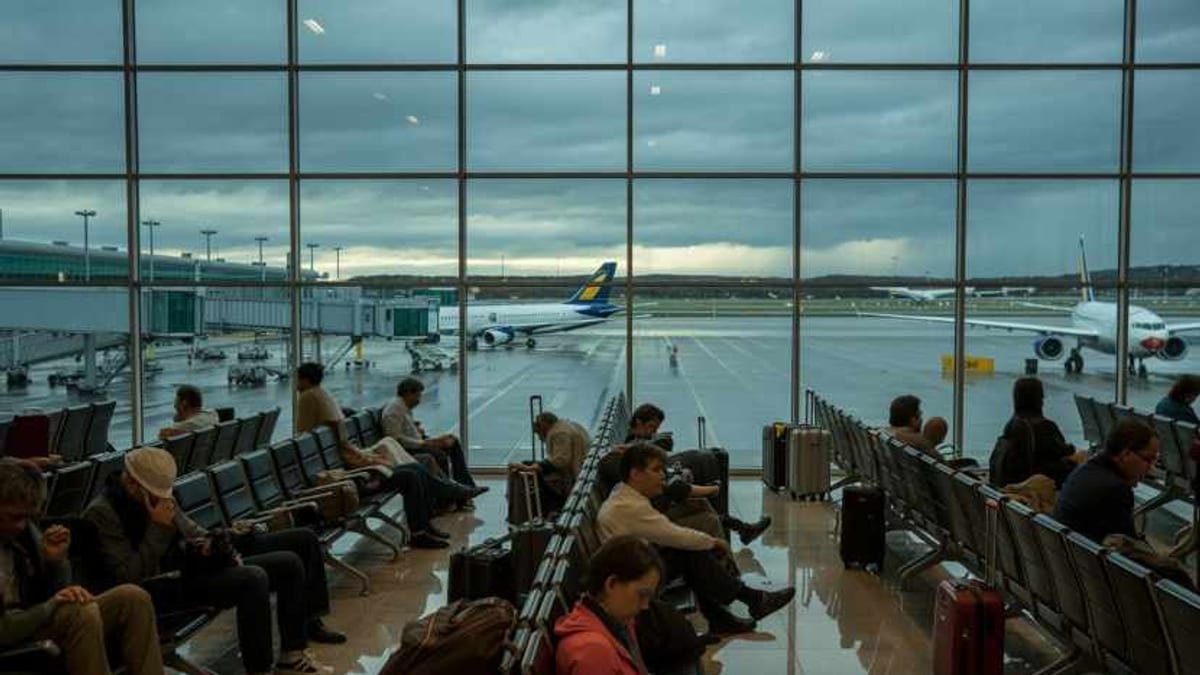
Image by Travel And Tour World
Morning Operations Unravel at Austin-Bergstrom
Publicly available flight-status boards for Austin-Bergstrom International Airport on Sunday showed a spate of early cancellations and mounting delays concentrated among major domestic routes. Data for Delta Air Lines and United Airlines indicated at least three departures scrubbed from the schedule, with additional services pushed back by 45 minutes or more as the morning peak gave way to a day of rolling disruption.
The pattern left travelers clustered around departure gates with shifting departure times and repeated announcements of “new estimated” boarding windows. Social media posts and traveler reports described crowds forming near Delta and United counters as passengers sought same-day alternatives to keep business trips, family visits and spring break vacations on track.
Airport-wide, the ripple effect extended beyond a few isolated flights. As departure times slid, arriving aircraft waited longer for open gates, tarmac congestion increased and tight connections became harder to make, particularly for those using Austin as a link between Western and Eastern U.S. destinations.
Airport planning documents and recent traffic reports have highlighted that Austin-Bergstrom is operating under sustained growth in passenger volumes, especially during peak travel periods. The latest round of disruptions unfolded against that backdrop of rising demand and constrained gate and staffing capacity.
Key Routes to Boston, Albuquerque, Amarillo and Atlanta Affected
Among the most impacted were passengers booked on flights between Austin and several high-demand domestic markets. Flight-tracking information showed cancellations and delays touching service to Boston, Albuquerque, Amarillo and Atlanta, with knock-on effects for travelers relying on those airports as connection points to other parts of the country.
For Delta customers, interruptions on the Austin to Atlanta corridor proved particularly consequential. Atlanta serves as a major hub in the airline’s network, and a canceled or heavily delayed departure from Austin can strand passengers whose onward journeys depend on tightly timed connections to the Northeast, Midwest and international destinations.
United passengers faced similar challenges on routes feeding into the carrier’s broader system. Delays on flights linking Austin to Western and Central U.S. cities increased the risk of missed onward legs, even when the original cancellation count remained relatively small. According to published coverage of recent travel conditions, airlines across the country have been contending with limited slack in their schedules, leaving less room to absorb even modest operational hiccups.
Travelers booked to or from smaller cities such as Amarillo and Albuquerque felt the impact acutely. With fewer daily frequencies than larger coastal hubs, a single cancellation or multi-hour delay can mean the difference between arriving the same day or waiting overnight for another available flight.
Multiple Factors Behind Cancellations and Delays
As of Sunday afternoon, there was no single publicly identified cause linking all of the affected flights at Austin-Bergstrom. National aviation coverage over recent weeks has pointed to a mix of recurring pressures on U.S. air travel, including air-traffic control staffing constraints, prolonged security screening times and weather-related congestion at major hubs that can cascade through airline networks.
Reports from other large Texas airports, including Houston, have detailed significant security checkpoint delays tied to staffing shortages, illustrating how pressures in one part of the system can contribute to late crew arrivals, pushed-back departure slots and downstream scheduling challenges. When those broader strains intersect with already-busy terminals like Austin-Bergstrom, even minor disruptions can quickly magnify.
Industry analyses published this month have also underscored the lingering fragility in airline operations. Carriers are operating at high load factors with tight aircraft and crew rotations, which can translate into fewer spare planes and staff available to cover an unexpected mechanical issue, a late-arriving inbound flight or a sudden airspace restriction.
In this environment, three cancellations at a single airport in a morning window are enough to trigger a chain of missed connections and overbooked later flights. Passengers at Austin on Sunday reported rebooking difficulties as remaining seats on afternoon and evening departures filled quickly, particularly on popular leisure routes linked to school holidays.
Growing Strain at a Fast-Growing Airport
The latest disruption comes as Austin-Bergstrom continues a multi-year stretch of record passenger growth. City and airport planning documents note that airlines have rapidly increased nonstop routes in and out of Austin, while terminal infrastructure and support services such as baggage handling and fuel operations strive to keep pace.
Local travel forums and recent commentary from frequent flyers have pointed to recurring bottlenecks at the airport, including crowded check-in areas for major carriers and longer lines at security during peak morning and evening banks. Travelers flying on United and Delta from Austin in recent months have described routine schedule padding and expectations of moderate delays even on clear-weather days.
A mix of construction, gate limitations and contractual arrangements for ground handling can contribute to the vulnerability. When multiple departures bunch on the runway or a small number of gates must be shared among several airlines, a minor delay at one gate can push back an entire series of flights that follow.
Sunday’s issues, though numerically limited in total cancellations, unfolded in this context of heightened demand and tight capacity. For stranded passengers, the experience translated into crowded seating areas, jockeying for access to charging outlets and uncertainty about when they would finally depart.
What Affected Travelers Can Do Next
Consumer travel guidance published by national outlets in recent days stresses that passengers facing cancellations or significant delays should first verify the latest status of their flight through airline apps or official airline channels, which tend to update more quickly than generic airport displays. For many Delta and United passengers at Austin, those tools provided the earliest confirmation of canceled segments and new departure estimates.
Travel experts recommend that once a cancellation appears, affected passengers immediately explore self-service rebooking options through mobile apps or kiosks while simultaneously getting in virtual queues for live assistance. On busy travel days, remaining seats on later departures can disappear within minutes, especially on routes with limited daily service such as Amarillo and Albuquerque.
According to recent coverage of airline policies, both Delta and United have increasingly leaned on same-day change waivers and flexible rebooking options during periods of operational disruption at major hubs. While waiver specifics vary by event and route, travelers departing Austin on Sunday were encouraged by public guidance to keep receipts, document delays and review airline customer service plans for potential eligibility for meal vouchers or hotel accommodations when overnight stays became unavoidable.
For now, reports indicate that flight operations at Austin-Bergstrom are gradually stabilizing as the day progresses. Yet the morning’s experience for Delta and United customers underscores the continued fragility of the U.S. air travel system during peak periods, and serves as another reminder that even a handful of cancellations at a busy regional hub can leave hundreds of travelers unexpectedly stranded.