

More news on this day
An Australian man is facing federal charges in the United States after allegedly attacking a Transportation Security Administration officer at Los Angeles International Airport during a dispute over a bag he reportedly left at an airport restaurant, according to recent U.S. court filings and published media coverage.
Get the latest news straight to your inbox!
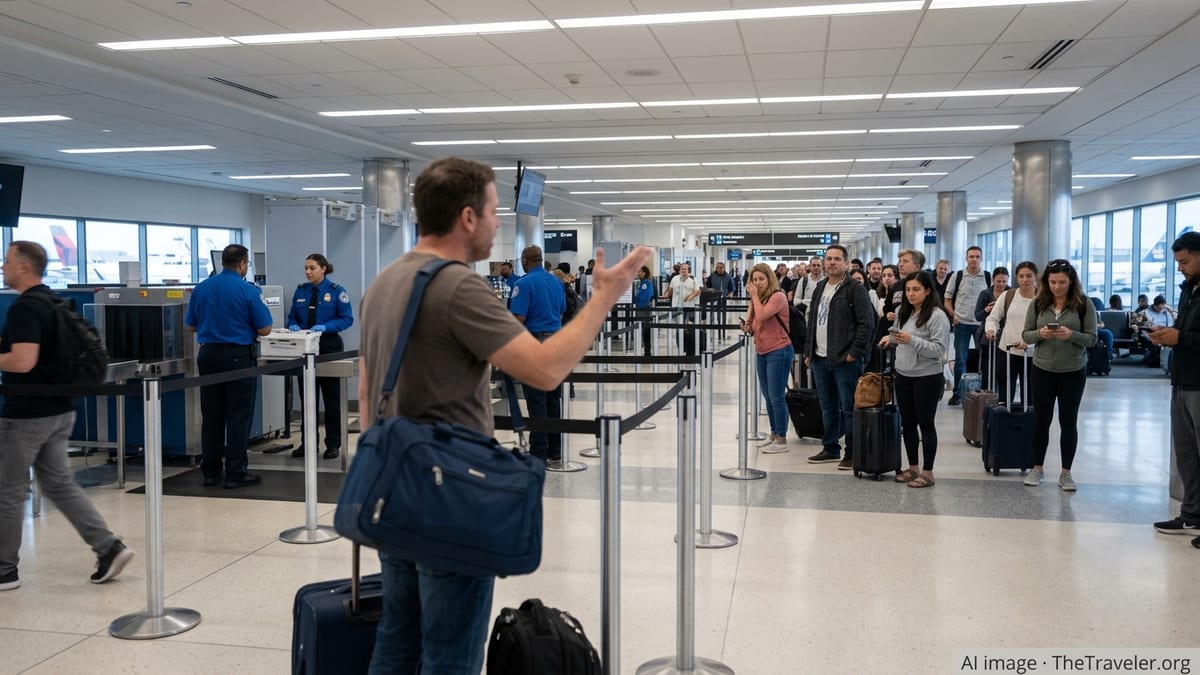
What Reportedly Happened at Los Angeles International Airport
Publicly available information indicates the incident took place in a passenger screening area at Los Angeles International Airport when the Australian traveler realized he had left a bag at an airport restaurant. Coverage of the case states that the man attempted to retrieve or discuss the missing item with staff in the secure area, leading to a confrontation.
Reports describe an increasingly tense exchange near the checkpoint, where the man was being processed for travel. As the situation escalated, the traveler is alleged to have moved aggressively toward a TSA officer, closing distance in a restricted security zone where physical contact with screening staff is treated seriously under U.S. aviation-security rules.
According to case summaries, the confrontation culminated in an alleged physical attack on the TSA officer, prompting an immediate response from other personnel on site. Nearby staff and airport security intervened, and the passenger was taken into custody at the airport without any reported impact on aircraft in flight.
Operations in the immediate area were briefly disrupted while the scene was secured and statements were collected. There have been no reports that explosives or weapons were involved, and the dispute appears to have centered on the passenger’s frustration about the bag left at the restaurant and related screening procedures.
Federal Charges and Potential Penalties
Court records summarized in news coverage show that the Australian traveler now faces federal charges in the United States connected to assaulting aviation-security personnel. Under U.S. law, TSA officers are treated as federal employees performing security duties, which elevates an alleged attack from a routine local assault case to a federal matter.
The charges typically associated with this type of incident can include assault on a federal officer and interference with security screening at an international airport. Each count can carry significant penalties, including potential prison time, supervised release, and fines. In practice, outcomes depend on the severity of any injuries, the defendant’s prior record, and whether a plea agreement is reached.
Published coverage indicates that the man has been formally charged and that his case has entered the federal court process. At this stage, the allegations remain unproven, and the traveler is presumed innocent unless and until guilt is established in court. Further hearings will determine how the case progresses, including any motions, plea discussions, or trial date.
Because the alleged victim is a TSA officer and the incident occurred inside an airport security zone, the case is likely to be closely watched by aviation-security observers. Similar past incidents in U.S. airports have prompted calls for stronger deterrence when passengers become violent or disruptive during screening.
How a Forgotten Bag Became a Security Flashpoint
Available reporting on the case emphasizes that the entire episode appears to have started with a basic travel mishap: a bag left behind at an airport restaurant. In the post-9/11 security environment, however, unattended items are treated as potential security concerns, and retrieving them from beyond a checkpoint is rarely straightforward.
Once a traveler has passed through security, returning to a public-side location such as a restaurant typically requires exiting the secure area and being screened again. If a bag is left behind outside the secure zone, staff may be required to follow specific protocols, including notifying airport security or law enforcement, rather than simply handing the item back without checks.
Travel-industry reporting suggests that misunderstandings about these procedures can create flashpoints, especially when passengers are anxious about missing flights or losing valuables. In this case, frustration surrounding the missing bag evidently escalated into a confrontation with the TSA officer, according to public descriptions of the incident.
Security specialists often point out that officers at checkpoints have limited discretion when it comes to unattended property. Even a routine lost-and-found situation can trigger delays, additional screening, or temporary closures, particularly at a major international gateway such as Los Angeles International Airport.
What This Means for International Travelers to the United States
The case serves as a high-profile reminder for international visitors that any physical confrontation or aggressive behavior toward TSA staff can quickly lead to serious federal charges. Even if an altercation begins with a customer-service complaint or a dispute over baggage, aviation-security rules give U.S. authorities broad latitude when they believe screening personnel have been threatened or assaulted.
For foreign nationals, including Australians visiting the United States, a criminal case of this nature can carry additional consequences beyond potential prison sentences. Travel-law commentators note that federal convictions for assault or interference with security operations may affect future visa applications, immigration status, or the ability to reenter the country.
International travelers are therefore strongly encouraged by travel-advisory materials to remain calm, comply with screening instructions, and seek help through formal channels, such as airline customer-service desks or written complaints, if they feel they have been treated unfairly. In nearly all circumstances, legal advocates stress that raising a concern verbally or after the fact is far safer than confronting security staff in the moment.
Airports in the United States also provide information desks and airline agents who can assist in locating lost property, including bags left at restaurants or shops. While recovery is not always guaranteed, these channels are designed to handle misplaced items without disrupting security operations or placing travelers at legal risk.
Key Takeaways for Passengers Passing Through LAX
For travelers heading through Los Angeles International Airport, the incident underscores the importance of tracking personal belongings carefully, especially in dining and shopping areas before reaching the gate. Once a passenger moves between public and secure zones, retrieving misplaced property can involve complex procedures that are not always obvious in the rush of travel.
Travel guidance for major hubs such as LAX often recommends that passengers allow extra time before boarding to eat or shop, so they are less likely to be hurried and forget bags at restaurants or seating areas. Simple habits, such as checking under the table and around chairs before leaving, can reduce the risk of leaving items behind.
The case involving the Australian man also illustrates how quickly a routine inconvenience can escalate inside an airport setting. With federal staff, cameras, and strict security rules in place, actions that might be treated as minor disputes in other environments can trigger criminal investigations when they occur at a checkpoint.
As the federal case proceeds, it is likely to be referenced in discussions about both passenger behavior and the working conditions of frontline security staff in U.S. airports. For now, the central message for travelers is clear: remain patient during screening, use official channels to resolve problems, and treat any disagreement at the checkpoint as a legal and security-sensitive situation rather than a personal dispute.