

Austria’s food culture is built on comfort, craft, and a deep love of seasonal, regional ingredients. From the satisfying crunch of a perfectly fried schnitzel to the buttery layers of apple strudel served still warm from the oven, eating your way across the country is as memorable as its Alpine scenery and imperial architecture. This guide explores the essential dishes, regional specialties, and local rituals that define Austrian cuisine today so you can order with confidence and taste the country at its best.
Understanding Austrian Cuisine Today
Austrian cuisine draws on Central European traditions, with influences from the former Austro-Hungarian Empire and neighboring countries like Italy, Hungary, Germany, and the Czech Republic. The result is a generous, often rustic style of cooking that celebrates meat, potatoes, dumplings, and rich pastries, yet also makes room for delicate vegetable dishes and lighter alpine fare. Menus often feel familiar, but the details of preparation and the quality of local ingredients give Austrian food its distinctive character.
Eating in Austria is closely tied to the seasons. Winter brings hearty stews, dumplings, and mountain dishes designed to fuel long ski days. Spring and summer highlight fresh salads, herbs, and fruit desserts, while autumn is the peak time for game dishes and harvest festivals. Many restaurants, especially in rural regions, adjust menus according to what is available from nearby farms, forests, and rivers.
Austria’s food culture is also shaped by its strong network of small producers. In wine regions, traditional taverns serve their own vintages alongside cold plates of local cheeses, cured meats, and seasonal spreads. In cities such as Vienna and Graz, well-established markets showcase everything from alpine cheeses and smoked hams to organic vegetables and artisanal breads. For travelers, this means that even simple dishes can taste remarkably fresh and well balanced.
As Austrian chefs increasingly embrace sustainability and regional identity, classic recipes are often updated rather than replaced. You might find traditional dumplings made with heritage grains, or schnitzel served with salads dressed in fragrant Styrian pumpkin seed oil. The basics remain reassuringly familiar, but there is more attention today to lighter preparations, vegetarian options, and showcasing local specialties.
Schnitzel: Austria’s Crispy Icon
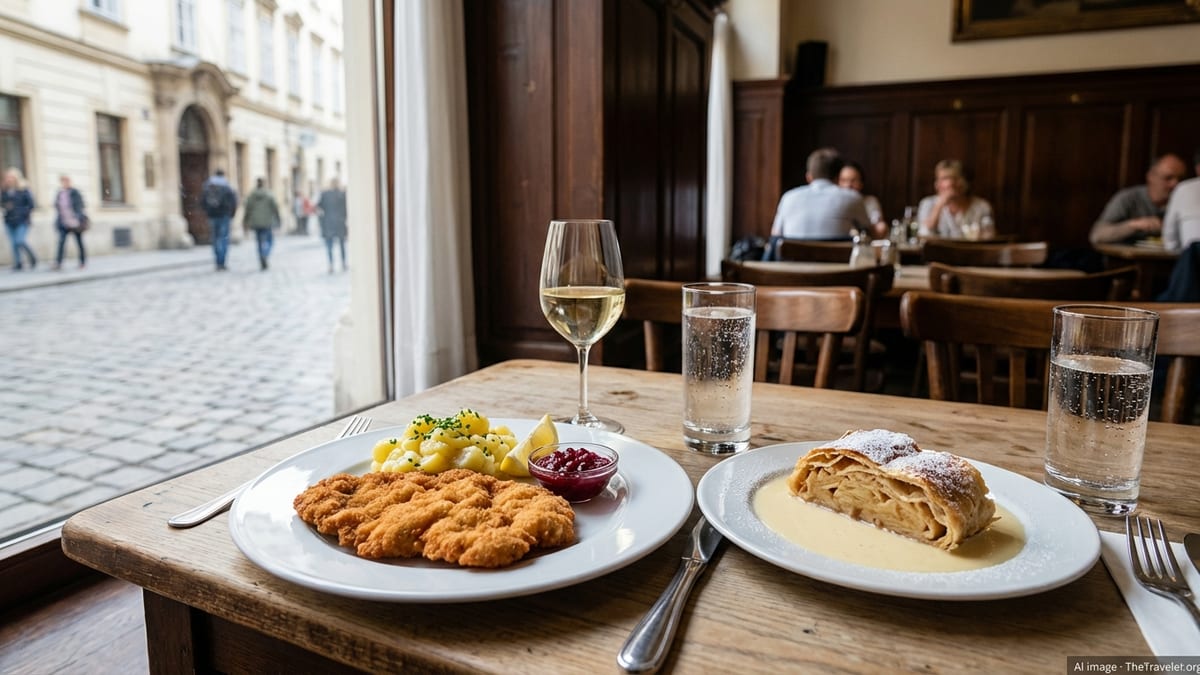
No dish is more closely associated with Austria than Wiener Schnitzel. The classic version uses veal, pounded very thin, lightly seasoned, then coated in flour, egg, and fine breadcrumbs before being fried until puffed and golden. When done properly, the coating blisters slightly and stays crisp, while the meat inside is tender and juicy. By law, the name Wiener Schnitzel on its own refers to veal; pork versions are widely served and often labeled as Schnitzel vom Schwein or similar.
The technique is as important as the ingredients. In traditional kitchens, the schnitzel is fried in plenty of hot clarified butter or neutral fat so that it seems to "swim" in the pan rather than lie flat on the bottom. Gentle movement of the pan encourages the crumb to separate slightly from the meat, creating the characteristic airy crust. The schnitzel is served immediately, typically with a slice of lemon for squeezing over the top.
Side dishes are an essential part of the experience. A classic pairing is potato salad dressed with a mild vinegar, fine oil, and sometimes a hint of mustard. In Vienna and parts of Styria, the salad may be finished with pumpkin seed oil, which adds a deep, nutty flavor and a dark green sheen. Other popular accompaniments include parsley potatoes, mixed green salads, or cucumber salad in a light dill and vinegar dressing. Lingonberry or cranberry compote often appears on the plate as a sweet-tart counterpoint.
Across Austria, many restaurants specialize in schnitzel, offering versions that can extend well beyond the edge of the plate. You will also see variations such as cordon bleu, where the meat is filled with ham and cheese before breading, or regional takes featuring turkey, chicken, or even vegetarian substitutes. While these can be enjoyable, if you want to understand why schnitzel became a national symbol, start with a classic Viennese-style veal or pork schnitzel, cooked to order and served simply.
Beyond Schnitzel: Hearty Classics and Alpine Comforts
Once you have tried schnitzel, look deeper into Austria’s repertoire of comforting main dishes. Tafelspitz, often described as a national dish, consists of a carefully selected cut of beef, gently simmered in an aromatic broth with vegetables until very tender. Traditionally, the clear soup is served first, sometimes with thin noodles or shredded pancakes, followed by slices of the beef accompanied by roast potatoes, apple-horseradish, chive sauce, and creamed spinach. It is a dish that feels both homely and regal, reflecting its association with the former imperial court.
Another staple of Viennese and Central European cooking is goulash. In Austria, this is often thicker and more stew-like than its soupier relatives across the border, with slow-cooked beef, plenty of onions, and sweet paprika creating a rich, brick-red sauce. Variants such as Fiakergulasch may arrive topped with sausage, a fried egg, and a dumpling, turning it into an especially substantial meal for cold days or late-night dining.
Travel into alpine regions like Tyrol and Vorarlberg and you encounter dishes tailored to mountain life. Tiroler Gröstl is a skillet of sliced potatoes fried with bacon or leftover roast meat and onions, typically crowned with a fried egg. It originated as a way to use up cooked potatoes and meat, but its combination of crispy, smoky, and creamy notes has made it a beloved comfort food far beyond the mountains. Käsespätzle, known under slightly different names depending on the region, layers soft egg noodles with grated cheese and tops them with golden fried onions. Served bubbling from the oven, it has the appeal of a local version of macaroni and cheese.
On many menus you will also find roast pork with crackling, sausages in various styles, and regional dumpling dishes. Bread dumplings, bacon dumplings, and cheese dumplings can appear in soups, in creamy mushroom sauces, or simply pan-fried with sauerkraut. While these dishes may sound heavy, good versions rely on fresh ingredients and careful seasoning rather than excessive richness, making them satisfying rather than overwhelming when enjoyed in normal portions.
Sweet Temptations: Strudel, Cakes, and Alpine Desserts
Austrian pastry culture is famous worldwide, and for good reason. At its heart is strudel, a delicate rolled pastry that traces its documented history in Vienna back to at least the late seventeenth century. The most iconic version is Apfelstrudel, with tart apples, raisins, sugar, and spices wrapped in thin sheets of dough and baked until the layers are crisp and flaky. It is often served warm, dusted with powdered sugar, and accompanied by whipped cream or a pool of vanilla custard.
Strudel is not limited to apples. Topfenstrudel, filled with lightly sweetened fresh cheese, and milk-cream strudel, with a rich bread-and-cream filling baked in custard, are beloved alternatives. In western Austria, fruit-filled strudels can incorporate local cherries, apricots, or plums in season. Wherever you order it, a good strudel should have thin, elastic dough that has been stretched almost translucent by hand, a skill that bakers still showcase in traditional pastry shops and some hotel kitchens.
Beyond strudel, the Austrian dessert landscape ranges from rustic to refined. Kaiserschmarrn, literally "emperor’s mess," is a thick pan-fried pancake torn into bite-sized pieces, caramelized lightly in the pan, and dusted with sugar. It is commonly served with plum compote or apple sauce and is filling enough to eat as a main course in mountain huts. In Salzburg, a regional specialty called Salzburger Nockerl appears as towering, golden meringue-like dumplings meant to evoke the surrounding hills, served hot from the oven with a dusting of sugar.
Chocolate lovers will recognize Sachertorte, a dense chocolate cake layered with apricot jam and coated with a smooth chocolate glaze, usually served with unsweetened whipped cream. Fruit dumplings are another highlight, especially when made with seasonal apricots or plums wrapped in potato or curd dough, boiled, then rolled in buttery breadcrumbs and sugar. While it is not necessary to try every dessert in a single trip, sampling strudel and one or two other classics will give you a strong sense of Austria’s sweet traditions.
Regional Flavors: From Vienna to Styria and the Alps
Although many dishes are served across the country, each region of Austria brings its own specialties and ingredients to the table. Vienna, as the capital, naturally offers the widest variety. Here you can find classic schnitzel, tafelspitz, goulash, and an impressive range of pastries under one roof. Viennese cuisine is associated with refined takes on hearty dishes, elaborate cakes, and a long-standing tradition of coffeehouse snacks such as open sandwiches, small sausages, and delicate slices of torte.
To the south, Styria is often described as the "green heart" of Austria, known for its hills, vineyards, and orchards. One of its most famous products is pumpkin seed oil, a deep green, nutty oil pressed from roasted seeds. It is widely used on salads, drizzled over creamy soups, and even paired with vanilla ice cream for an unusual sweet-savory dessert. Styrian markets and farm shops showcase local apples, beans, wines, and cured meats, while countryside taverns serve fried chicken, hearty spreads, and fresh salads dressed with the region’s characteristic oil.
In the western provinces of Tyrol and Vorarlberg, alpine cooking reflects a history of dairy farming and mountain living. Cheese is central, from robust mountain varieties to mild fresh cheeses used in dumplings and noodles. Dishes like Käsespätzle, cheese dumplings served in broth, and hearty bacon-and-potato skillets are standard fare in ski resorts and hiking areas. Many mountain huts pride themselves on producing their own cheese and butter, which means simple snacks of bread, cheese, and cured ham can be as memorable as more elaborate meals.
Further south, Carinthia’s lakes and gentle mountains shape a different culinary profile. Freshwater fish, including trout and char, appear on menus alongside noodle dishes filled with soft curd cheese and herbs. In Lower Austria and Burgenland, visitors encounter both forest-influenced game dishes and sunny wine-country cooking, with lighter vegetable plates, local white wines, and fruit-based desserts. Exploring these regions with food in mind encourages you to order daily specials, ask about local products, and perhaps time your visit with seasonal festivals celebrating pumpkins, apricots, chestnuts, or wine.
Cafés, Heuriger, and How Austrians Like to Eat
Understanding where Austrians like to eat is just as important as knowing what appears on their plates. The Viennese coffeehouse is perhaps the country’s most famous dining institution. Recognized as part of Austria’s cultural heritage, traditional cafés still feature marble-topped tables, newspapers on wooden holders, and servers who expect you to linger. Coffee is ordered in specific styles, ranging from a simple black coffee to a mélange, similar to a cappuccino. With your drink, you might choose a slice of cake, a pastry, or a small savory snack, and it is perfectly acceptable to occupy your table for hours with a single order.
In wine-growing regions such as around Vienna, Lower Austria, and Styria, Heuriger and Buschenschank taverns offer a different kind of experience. These family-run spots serve their own wine and a selection of cold dishes such as cured meats, spreads, cheeses, pickles, and salads, often arranged on wooden boards. Hot dishes may be limited or seasonal, but the appeal lies in the relaxed atmosphere, garden seating in good weather, and the chance to eat food produced just meters from where you sit.
Traditional Gasthäuser, or inns, are found in cities, towns, and villages throughout Austria. They specialize in classic dishes, daily lunch menus, and hearty portions, often at moderate prices. Many have been family-operated for generations, and their menus rarely change dramatically, although some now include lighter or vegetarian options alongside the classics. In alpine resorts, mountain huts double as informal restaurants, serving skiers and hikers robust plates of stew, dumplings, pasta, and cake.
For travelers, it is worth paying attention to set lunch deals and daily specials, which typically offer good value and showcase seasonal ingredients. Dinner tends to be a more leisurely affair, particularly on weekends, and reservations can be useful in popular city restaurants or well-known countryside inns. Dressing is generally smart-casual, and tipping follows Central European norms, with a modest rounding up of the bill appreciated for good service.
Practical Tips for Eating Well in Austria
Ordering and dining in Austria is straightforward once you know a few customs and key terms. Menus are often bilingual in areas popular with visitors, but in smaller towns or local inns they may appear only in German. Recognizing words like Suppe for soup, Salat for salad, Rind for beef, Schwein for pork, Huhn for chicken, and Fisch for fish can help you navigate. Daily specials are frequently listed on a chalkboard or a separate insert and can be among the freshest and most seasonal choices.
Portions, especially of traditional dishes, can be generous. It is perfectly acceptable to share appetizers or desserts, or to order a soup and a main to split between two people if you ask politely. Some alpine dishes, such as Kaiserschmarrn or large meat platters, are designed to be shared and may even be marked as such on the menu. If you prefer lighter meals, opt for soups, salads dressed in fine oils, grilled fish, or vegetable-based daily specials, which have become more common in recent years.
Travelers with dietary needs will find that awareness of vegetarian and gluten-free options has grown, particularly in cities and modern cafés. Traditional Gasthäuser may still focus on meat, but salads, cheese plates, vegetable side dishes, and some pasta or dumpling dishes can often be adapted. It is helpful to learn a few phrases in German to explain allergies or preferences and to ask staff which dishes can be modified. In bakeries and pastry shops, staff are usually happy to suggest items that align with your needs if you explain them clearly.
Finally, consider matching your meals to the time of day and local rhythm. A substantial lunch followed by a coffeehouse stop in the afternoon and a lighter evening meal aligns well with how many Austrians eat, especially outside big cities. Trying local drinks, whether that is a regional wine, freshly drawn beer, or non-alcoholic fruit juice diluted with sparkling water, will round out the experience. By approaching Austrian food with curiosity and a willingness to explore beyond the most famous dishes, you will discover a cuisine that is both grounded in tradition and very much alive.
FAQ
Q1. What is the difference between Wiener Schnitzel and regular schnitzel in Austria?
In Austria, Wiener Schnitzel specifically refers to a schnitzel made from veal, while versions prepared with pork, turkey, or chicken are usually labeled with the type of meat, such as Schweinsschnitzel for pork. The cooking method and breaded crust are similar, but the flavor and texture vary with the meat.
Q2. Is Austrian food very heavy, or can I eat lightly while traveling?
Traditional dishes can be hearty, but it is increasingly easy to eat lightly by choosing soups, salads with high-quality oils, grilled fish, or vegetable-based daily specials. Sharing larger dishes and focusing on lunch as your main hot meal can also help balance indulgent plates with lighter options.
Q3. Which Austrian desserts should I try if I only have time for a few?
If you are short on time, prioritize Apfelstrudel, ideally served warm with cream or vanilla sauce, and one additional classic such as Sachertorte, Kaiserschmarrn, or a regional specialty like Salzburger Nockerl. Each showcases a different side of Austria’s dessert tradition.
Q4. Are vegetarian or vegan options widely available in Austria?
Vegetarian options are common in cities and increasingly present in rural areas, often including cheese-based dishes, vegetable stews, and substantial salads. Vegan choices are more concentrated in urban restaurants and modern cafés, so checking menus in advance and asking staff for guidance can be helpful if you follow a strict plant-based diet.
Q5. What is Styrian pumpkin seed oil, and how is it used in Austrian cooking?
Styrian pumpkin seed oil is a dark green, aromatic oil pressed from roasted pumpkin seeds in the region of Styria. It is typically drizzled over salads, soups, and even desserts rather than used for frying, adding a distinct nutty flavor and silky texture that many Austrians consider essential.
Q6. How much should I tip in Austrian restaurants and cafés?
Tipping in Austria usually involves rounding up the bill or adding a modest percentage, often around five to ten percent for good service. Rather than leaving money on the table, it is customary to tell the server the total amount you wish to pay when they present the bill or card reader.
Q7. Do I need reservations to eat at popular places in Vienna and other cities?
Reservations are advisable for well-known restaurants, especially on weekends and during peak travel seasons, as dining rooms can fill quickly. For casual cafés, many wine taverns, and smaller inns, you can often walk in, though calling ahead is wise if you have a specific place in mind or are traveling with a group.
Q8. What time do Austrians typically eat their main meals?
Many Austrians treat lunch, often between about midday and mid-afternoon, as the main hot meal, especially on workdays. Dinner can be lighter and somewhat later, while coffee and cake in the afternoon remains a cherished ritual in cities and towns with a strong café culture.
Q9. Is tap water safe to drink in Austria, and is it served in restaurants?
Tap water in Austria is generally of high quality and safe to drink, often sourced from alpine springs. In restaurants, you can request tap water, though some places emphasize bottled mineral water on the menu, and a small service charge for table water is not unusual.
Q10. How can I find authentic, locally focused food experiences while traveling in Austria?
To discover authentic food, look for busy Gasthäuser frequented by locals, explore farmers’ markets, and seek out wine taverns or regional inns rather than only dining in tourist-heavy areas. Asking hotel staff, market vendors, and guides where they like to eat is a reliable way to uncover places that reflect local tastes and seasonal products.