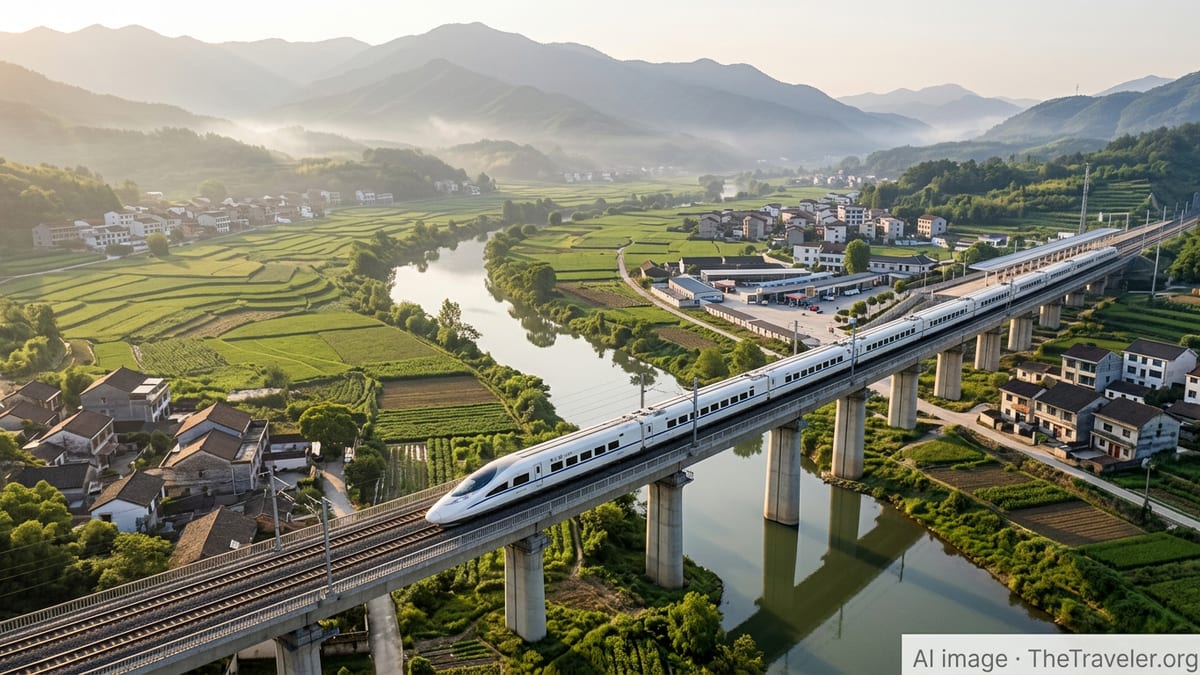
China’s 2026 Rail Boom Powers a Tourism Transformation
China’s record-breaking rail ridership and rapid high-speed expansion in 2025–2026 are reshaping domestic travel patterns and unlocking new tourism destinations nationwide.

William R Martin writes about travel from the ground up. His work focuses on remote routes, working ports, border crossings, ferry lines, and the landscapes that shape how people move across regions.
China’s record-breaking rail ridership and rapid high-speed expansion in 2025–2026 are reshaping domestic travel patterns and unlocking new tourism destinations nationwide.
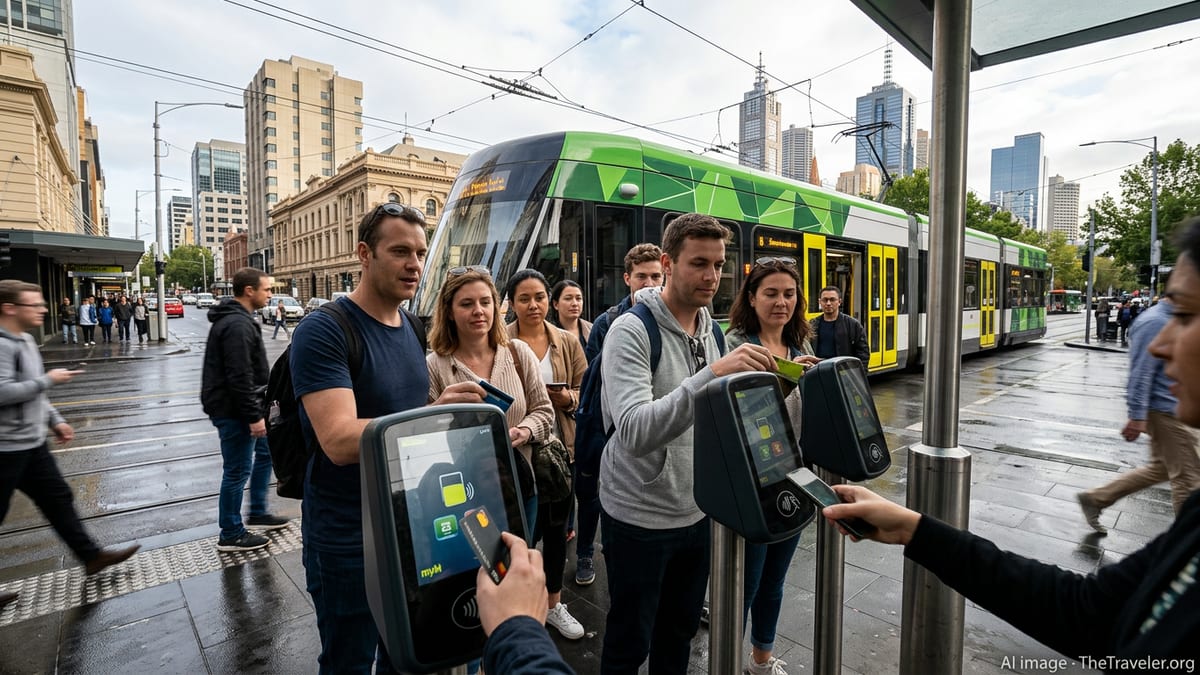
Melbourne’s new tap-and-go public transport system is entering real-world trials, promising tourists seamless travel with bank cards and phones across Australia’s cultural capital.

South Africa’s new Mossel Bay Explorer heritage rail journey revives classic steam along the Garden Route, blending vintage engineering, ocean scenery and small-town culture.

English Tourism Week spotlights budget-friendly breaks in 2026, as a landmark rail fare freeze and ticket discounts make domestic trips more accessible.
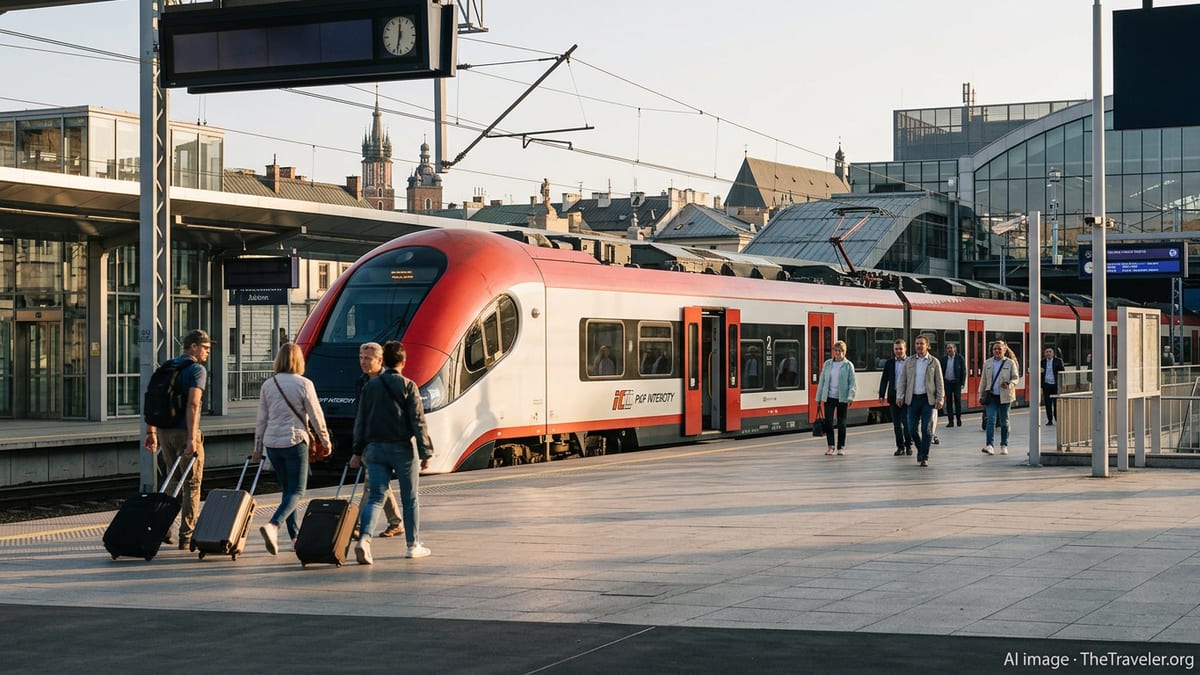
Kraków channels more than €750 million into next‑generation rail, reshaping European city‑break tourism and cementing Poland’s status as a fast‑growing travel hub.

Luxury dining cars and cream‑tea experiences on Lake District heritage railways are drawing rail enthusiasts and food lovers to Cumbria’s most scenic lines.
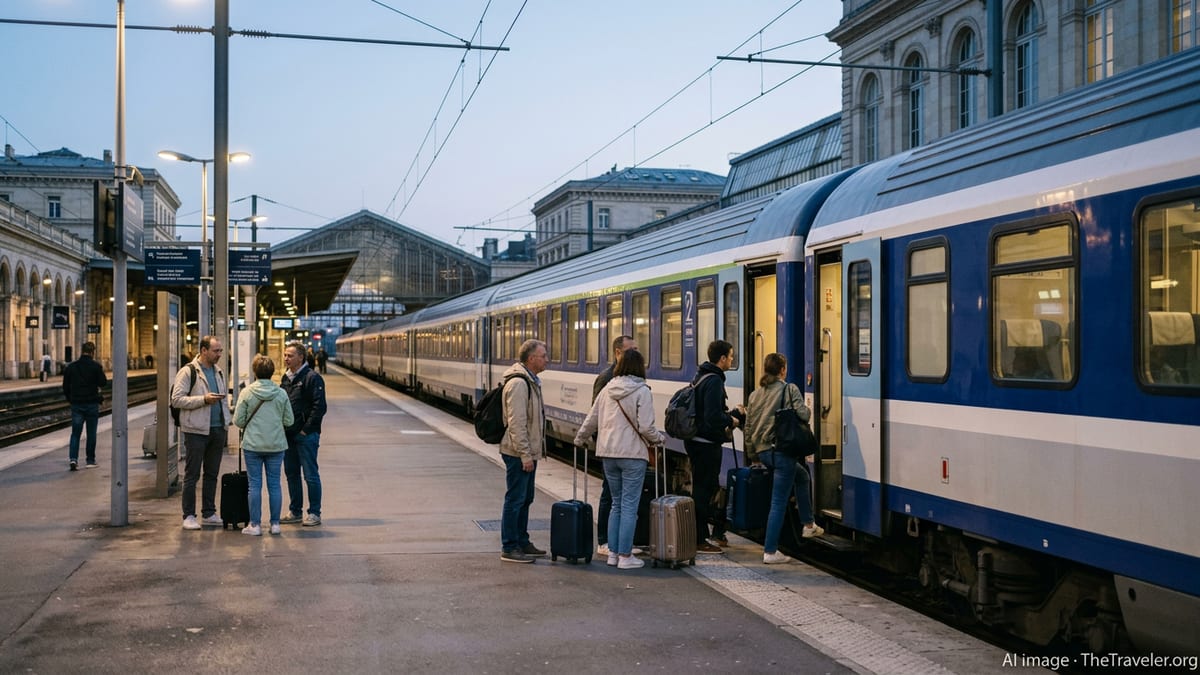
A new Paris–Berlin night train restores a legendary route, reshaping low-carbon travel options and competition with budget flights across central Europe.
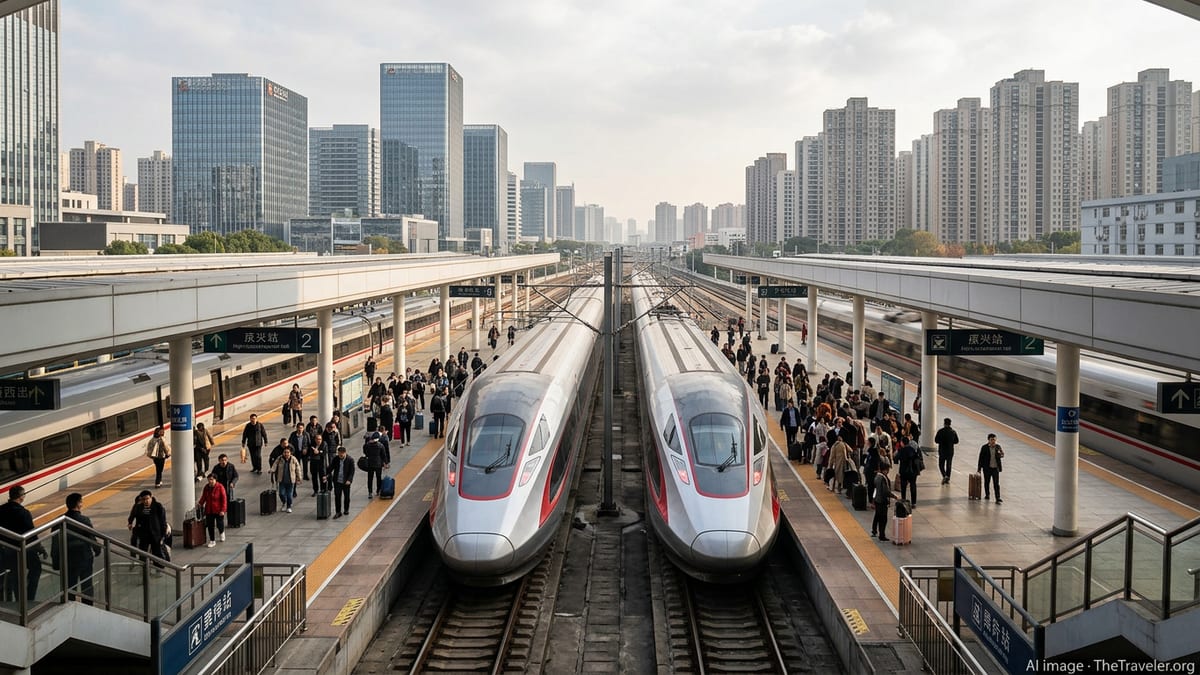
China’s vast high-speed rail network is shrinking travel times, reshaping intercity tourism and redefining how hundreds of millions move around the country.

India’s Central Railway will run 1,484 summer special services in 2025, easing holiday rush from Mumbai, Pune and other hubs with added capacity and key routes.

Tourism is hitting new volume highs in 2026, yet travelers face soaring costs, mass flight cancellations and widening divides between resilient and fragile markets.