

More news on this day
Hundreds of British Airways passengers are speaking out after a transatlantic flight diverted to a remote Canadian island and left them stranded for nearly two days in freezing conditions without access to their luggage.
Get the latest news straight to your inbox!
Medical emergency turns transatlantic flight into 48-hour ordeal
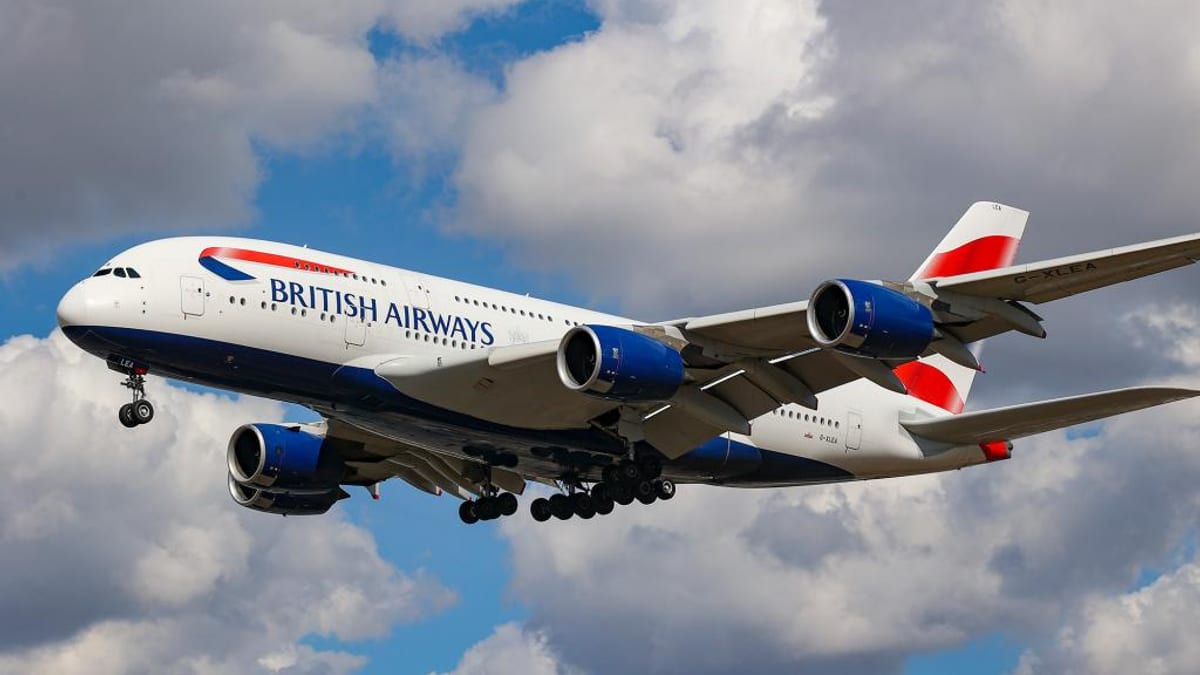
According to published coverage, British Airways flight BA195 from London to Houston diverted to St. John’s, Newfoundland, after a passenger suffered a medical emergency mid-flight. The unscheduled landing on the North Atlantic island cut short the long-haul journey, leaving around 265 travelers unexpectedly grounded far from their intended destination.
Reports indicate that once the airline offloaded the ill passenger and completed the diversion, the aircraft remained on the ground for extended safety and technical checks. Crew duty-time limits also became a factor, making it impossible for the original team to continue flying without mandatory rest. As a result, what began as a routine medical diversion developed into a multi-day disruption.
Coverage from outlets including Travel And Tour World and regional North American media describes a cascading series of delays as the carrier worked to secure replacement crew and reposition aircraft. Passengers ultimately remained in Newfoundland for up to 48 hours before being rebooked on onward services to the United States and beyond.
While observers generally recognized the need to prioritize the health of the passenger at the center of the emergency, the operational challenges that followed turned the event into a wider test of how airlines manage major disruptions in remote locations.
Freezing temperatures, limited support and no access to checked bags
The island of Newfoundland sits in the North Atlantic, and early April temperatures can hover around or below freezing, with wind chill making conditions feel significantly colder. Travelers arriving in St. John’s reported stepping into icy weather wearing clothing suitable for Houston, Texas, rather than a Canadian spring cold snap.
Multiple accounts shared with media outlets and on social platforms describe passengers being taken off the aircraft without access to their checked baggage. Winter coats, medications, children’s items and other essentials reportedly remained locked in the aircraft hold or secured in the airport system while travelers were bused to local hotels.
Some passengers told reporters that they struggled to obtain basics such as warm clothing, toiletries and reliable information about when they would depart. Coverage in consumer travel media described complaints about long queues, limited on-the-ground airline staff and confusion over meal and hotel entitlements during the unexpected stay.
Publicly available information shows that British Airways later provided electronic vouchers as a goodwill gesture. However, several travelers quoted in news reports characterized the compensation as inadequate compared with the cost of missed connections, lost workdays and emergency purchases in St. John’s.
Online backlash amplifies anger over communication and care
As details of the incident spread, the story quickly moved from local Canadian coverage to international travel and general news outlets. Headlines highlighted “stranded” passengers on a “freezing island,” framing the disruption as another example of long-haul vulnerabilities in an era of tightly packed global schedules.
On Reddit and other social platforms, travelers claiming to have been on the flight shared detailed timelines of the disruption, alleging inconsistent updates and limited guidance from the airline. These posts, which could not be independently verified by all outlets but were widely circulated, described passengers trying to piece together information from airport boards, hotel staff and third-party flight tracking tools.
Commenters also debated the language used in coverage, with some Newfoundlanders pushing back on the portrayal of their province as an isolated icebound outpost. Even so, many posts agreed that for lightly dressed passengers expecting Houston’s milder weather, the abrupt arrival in near-freezing conditions without luggage was a jarring experience.
The incident added to a broader wave of public frustration over flight disruptions, building on previous stories about passengers left overnight in terminals, aircraft stuck on tarmacs for hours and large-scale cancellations creating mountains of stranded luggage at major hubs.
What current rules mean for stranded passengers
The diversion and subsequent delay drew renewed attention to what airlines are required to provide during severe disruptions and what remains at the carrier’s discretion. Aviation regulations in Canada and the United Kingdom set out minimum standards for safety and some aspects of care, but consumer advocates note that obligations vary by jurisdiction, cause of delay and type of ticket.
Publicly available information on Canadian air passenger protections focuses largely on compensation and standards when flights are delayed or cancelled departing from Canadian airports. In situations where a foreign airline diverts to Canada because of a medical emergency, the framework becomes more complex, and much of the customer experience is governed by the airline’s own policies and contracts of carriage.
Travel law specialists quoted in prior coverage of similar incidents have pointed out that when delays are caused by factors considered outside an airline’s control, such as medical diversions, travelers may not qualify for statutory compensation. However, carriers often still provide hotel rooms, meal vouchers and rebooking assistance as part of their commercial commitment to customer service.
In this case, passengers have been encouraged in travel-industry reporting to file detailed complaints outlining out-of-pocket expenses, including extra accommodation, ground transport and missed onward bookings. Such documentation may help in seeking reimbursement or additional goodwill gestures beyond what was initially offered at the airport.
Growing scrutiny of airlines in remote and cold-weather diversions
The Newfoundland incident has added to ongoing discussions among travelers and industry observers about how prepared airlines are to care for passengers when wide-body jets divert into smaller or more remote airports, especially in harsh climates. While medical emergencies and technical issues are relatively rare compared with the number of flights operating daily, the consequences can be significant when they occur far from major hubs.
Analysts writing in aviation trade media have observed that crew duty rules, limited hotel capacity and ground-handling constraints can rapidly compound, stretching local infrastructure and leaving passengers feeling abandoned. The absence of luggage access during unplanned overnight stays in cold destinations is emerging as a particular pain point, especially when travelers rely on checked bags for medications or cold-weather gear.
Some consumer advocates are calling for clearer international standards on passenger care during diversions, including more transparent communication requirements and stronger expectations around basic necessities such as warmth, food and medical support. Others have urged travelers to adapt by keeping critical items in carry-on bags, including prescription drugs, a change of clothes and at least one layer suitable for colder weather.
For now, the experience of those stranded on the island of Newfoundland for two days highlights both the limits of current regulations and the rising expectations of passengers who increasingly share their experiences in real time. As peak travel seasons approach, airlines are likely to face closer scrutiny over how they handle the rare but disruptive moments when a necessary safety decision leaves hundreds of people unexpectedly grounded in the cold.