

More news on this day
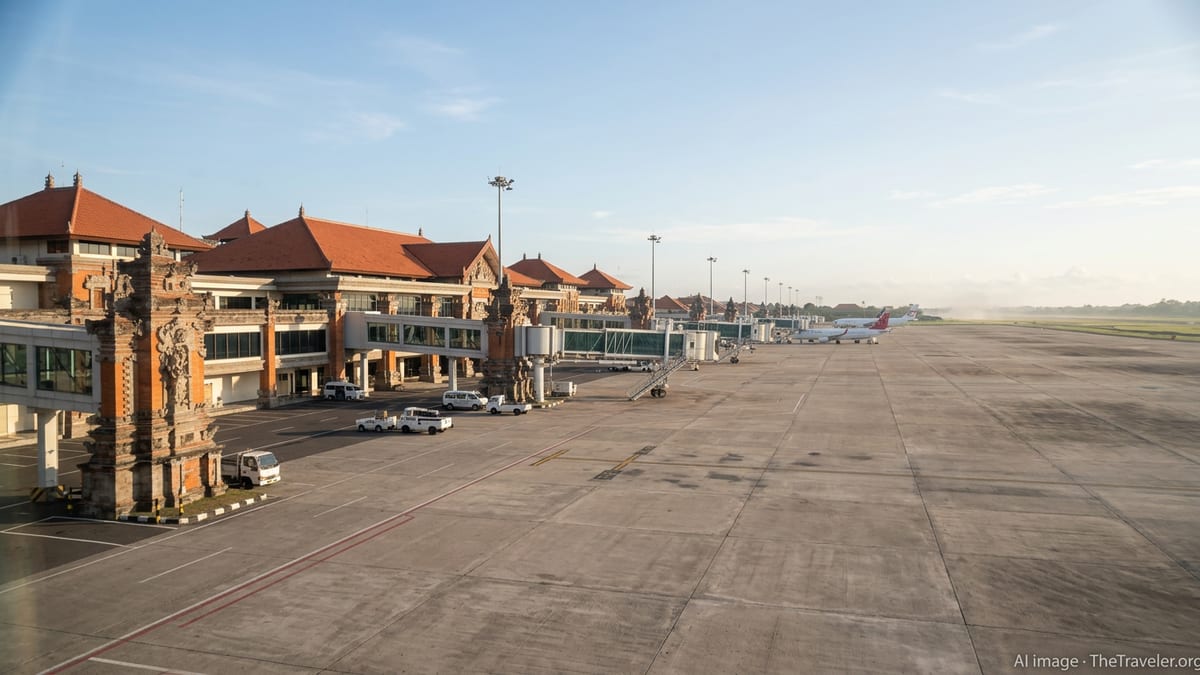
Bali’s I Gusti Ngurah Rai International Airport will halt all commercial flight activities for 24 hours from the morning of March 19 to March 20, 2026, as the island observes Nyepi, the Balinese Day of Silence that brings Indonesia’s premier tourism destination to a standstill each year.
Get the latest news straight to your inbox!
24-Hour Shutdown to Mark Balinese Day of Silence
Airport authorities and local tourism operators have confirmed that Ngurah Rai International Airport will suspend all scheduled departures and arrivals for the full 24-hour Nyepi period. The closure will run from 6:00 a.m. local time on Thursday, March 19, 2026, until 6:00 a.m. on Friday, March 20, 2026, aligning with island-wide restrictions that keep Bali’s streets, beaches, ports and airspace quiet.
The suspension applies to both domestic and international flights, affecting one of Southeast Asia’s busiest holiday gateways at the tail end of the rainy season. Only strictly defined emergency operations, such as medical evacuations or technical diversions, are expected to be accommodated under special procedures, with core operational and safety teams on standby inside the airport.
Nyepi is tied to the Saka lunar calendar and its date shifts annually, prompting regular advisories from airlines, hotels and travel agents for passengers planning March journeys. For 2026, industry briefings and local government circulars have repeatedly highlighted March 19 as a full stop to flight movements at Denpasar, urging travelers to avoid same-day arrivals or departures.
Despite the disruption to air traffic, the closure has become a predictable feature of Bali’s travel calendar, allowing airlines to adjust schedules in advance and passengers to build Nyepi into their itineraries as either a day of enforced pause or a rare cultural experience.
What Travelers Can Expect During the Airport Closure
For visitors, the most critical detail is that no regular flights will land or take off during the Nyepi window, and check-in counters and boarding gates will remain closed. Passengers who had planned to reach or leave Bali on March 19 will see their flights retimed to the evening before or to slots after operations resume on March 20.
Airlines serving Bali typically freeze ticket sales for the Nyepi period itself, and many have already begun notifying passengers on potentially affected routes to review their itineraries. Travelers are being advised to check booking details carefully and avoid tight connections that would require transit through Bali during the shutdown hours.
Those already on the island when Nyepi begins must remain within their accommodation compounds, as public movement outside is heavily restricted. While hotel guests are exempt from the strictest religious obligations, they should expect dimmed lighting, reduced external noise and significantly scaled-back activities, with in-house restaurants and facilities operating at a quieter, internal-only pace.
Tour operators and transfer services also pause operations, which means no airport runs, inter-island fast boats or organized excursions on the day itself. Visitors arriving on March 18 are being encouraged to plan ahead for essentials, such as cash withdrawals, pharmacy needs and snacks, before Bali settles into 24 hours of near-complete silence.
Deep Cultural Roots Behind a Modern Transport Standstill
The suspension of all flight activities at Ngurah Rai Airport is a direct reflection of Nyepi’s central role in Balinese Hindu culture. The Day of Silence marks the Saka New Year and is dedicated to introspection, meditation and spiritual cleansing rather than outward celebration, in striking contrast to many other New Year traditions around the world.
For local communities, Nyepi is governed by four core restrictions that limit movement, work, entertainment and the use of fire or bright lights. To respect the sacred quiet that these rules are meant to create, the island effectively closes its doors to routine transport, switching off external illumination and dramatically reducing noise, including that generated by air traffic.
Keeping the skies above Bali free of takeoffs and landings has become a symbolic as well as practical gesture, reducing sound and light pollution that would otherwise break the stillness. Over the years, the airport closure has evolved from a logistical challenge into an accepted expression of cultural preservation, underpinning Bali’s identity even as it welcomes millions of visitors annually.
Local officials and airport management emphasize that the Nyepi shutdown is not simply a travel inconvenience but an opportunity for residents and visitors alike to pause. Many hotels now design Nyepi-focused programs with quiet wellness activities, gentle lighting and cultural briefings to help guests understand the significance of the silence outside their resort walls.
Impact on Airlines, Tourism and Regional Connectivity
The 24-hour halt in air traffic at Ngurah Rai has measurable ripple effects across airline networks and regional tourism flows. Carriers that rely on Bali as a major leisure destination or as a connecting point for routes across Australia, Southeast Asia and greater Indonesia often need to reposition aircraft, adjust crew schedules and re-time services before and after the closure.
In previous Nyepi periods, dozens of flights have been canceled or rescheduled around the shutdown window, and a similar pattern is anticipated for 2026. Travel agents and online booking platforms are steering customers toward dates that avoid March 19 altogether, or advising them to build in extra days to absorb any knock-on timetable changes.
Hotels and villa operators, meanwhile, tend to report a mixed but manageable impact. Some guests specifically avoid Nyepi, arranging trips to neighboring islands or shifting travel dates. Others are drawn by the chance to experience the uniquely quiet atmosphere, turning what might be seen as a disruption into a highlight of their stay.
Given Bali’s role as one of Indonesia’s most important tourism engines, government and airport stakeholders are careful to communicate the Nyepi closure clearly and early. Industry briefings, airline notices and tourism board campaigns are all emphasizing that the 24-hour airport pause is planned, time-limited and integrated into broader efforts to sustain the island’s cultural heritage alongside its global connectivity.
Planning Tips for March 2026 Trips to Bali
For travelers targeting Bali in March 2026, the foremost recommendation is to avoid scheduling flights into or out of Denpasar on March 19. Arriving on March 18 or earlier, or departing on March 20 or later, will minimize disruption and reduce the risk of missed connections or forced rebookings.
Those who intentionally choose to be on the island during Nyepi should confirm that their accommodation is prepared for the day’s restrictions, including backup power arrangements, food service plans and any quiet indoor activities. Staying relatively close to the airport on the nights immediately before or after Nyepi can also simplify logistics once flights resume.
Passengers who must cross multiple time zones to reach Bali are urged to double-check ticket dates against local time and Nyepi’s 6:00 a.m. to 6:00 a.m. closure window. Travel insurers and carriers may treat Nyepi differently from unexpected disruptions, so understanding fare rules and coverage for voluntary date changes can help avoid unexpected costs.
With preparations already underway, Bali’s aviation and tourism sectors are treating the 2026 Nyepi silence as both an operational challenge and a reaffirmation of the island’s distinctive cultural rhythm. For visitors who plan carefully, the 24-hour halt at I Gusti Ngurah Rai Airport can become a seamless, even memorable, part of the journey rather than a last-minute obstacle.