

Few countries offer the range of experiences that Mexico packs into its beaches, colonial cities and wild natural areas. From Caribbean sands and Pacific surf breaks to UNESCO listed town centers and newly protected rainforests, the country rewards travelers who look beyond a single resort zone. Choosing the right region can shape your entire trip, whether you are chasing turquoise water, baroque churches or jungle hikes alive with birdsong.
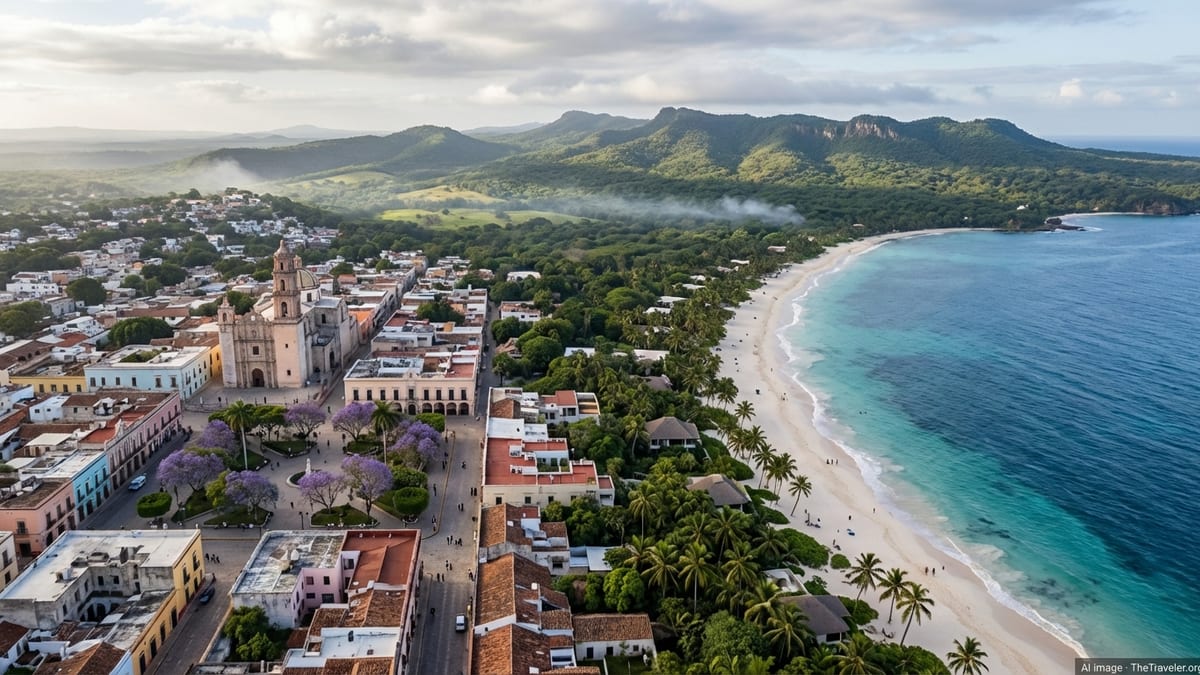
Caribbean Classics: Cancún, Riviera Maya and Costa Mujeres
Mexico’s Caribbean coast remains the country’s global calling card, and for good reason. Cancún and the Riviera Maya offer long, pale sands, warm clear water and a tourism infrastructure that has grown steadily more sophisticated. In 2025, Cancún was named Mexico and Central America’s leading beach destination by a major international travel awards body, reflecting its ongoing appeal for travelers who want ease, nightlife and a wide choice of resorts. Nearby stretches such as Costa Mujeres and Playa Mujeres cater to visitors seeking newer, often more upscale all inclusive properties set away from Cancún’s busiest hotel zone.
South of Cancún, the Riviera Maya links coastal towns and planned resort communities with pockets of intact jungle. Playa del Carmen has evolved into a lively small city with an increasingly noted food scene, where visitors can find everything from street tacos to contemporary takes on Yucatán cuisine built around seafood and regional ingredients. Just beyond the main avenues, quieter streets and residential neighborhoods give a sense of everyday life on the Caribbean coast. For many travelers, this corridor offers the easiest introduction to Mexico, with frequent international flights, organized excursions and English widely spoken in tourism businesses.
At the same time, a growing number of visitors are seeking slightly less hectic corners of the Caribbean shoreline. Smaller beach areas such as Punta Maroma, located between Cancún and Playa del Carmen, retain a softer pace and more secluded feel, while still sitting close to the main highway and airport. This balance of easy access and relative calm can be attractive for couples or families who want a resort base but are not interested in heavy nightlife. Throughout the region, travelers are increasingly advised to look for hotels that highlight reef friendly practices and support local conservation efforts, as coastal development puts pressure on marine ecosystems.
Recent years have also seen new transportation projects and ongoing discussions about how to manage growth along the Caribbean coast without eroding the natural environment that draws travelers here in the first place. Concerns over erosion, seaweed surges and reef health have entered mainstream travel planning, and many repeat visitors now factor in not only beach quality but also how destinations are adapting. For travelers, this is a coastline where it pays to research current beach conditions and to consider visiting during shoulder seasons, when the water can still be warm yet crowds and prices ease.
Beyond the Resorts: Yucatán Peninsula’s Colonial Cities and Cenotes
Step inland from the Caribbean, and the Yucatán Peninsula reveals a very different side of Mexico. Colonial cities such as Mérida and Valladolid stand on older Maya foundations, blending Spanish era churches and plazas with strong Indigenous influences that remain visible in language, food and dress. Mérida, the capital of Yucatán state, has emerged as a cultural hotspot known for its walkable historic center, restored mansions and a culinary scene that highlights dishes like cochinita pibil, panuchos and regional seafood. New boutique hotels have opened in restored townhouses, pairing contemporary design with original stone walls and courtyards, which underlines the city’s mix of old and new.
Valladolid offers a smaller scale alternative with brightly painted streets and a slower rhythm. Its location makes it a practical base for visiting nearby cenotes and major archaeological sites such as Chichén Itzá, yet the town itself rewards time with shady plazas and neighborhood markets. Travelers who stay overnight rather than visiting on a day tour often find that evenings feel distinctly local once the day trip buses roll out. Cafes and small restaurants serve Yucatecan specialties, and short walks from the center lead to freshwater cenotes where residents cool off on hot afternoons.
Across the peninsula, hundreds of cenotes and underground rivers shape both landscape and local culture. Many of the more visited sinkholes now have managed access with lifejackets, boardwalks and basic facilities, while lesser known spots retain a more rustic atmosphere. Because these freshwater systems are fragile and directly connected to the aquifer, authorities and tour operators have started to stress responsible visitation: avoiding sunscreen in the water, showering before swimming and following posted guidance. For travelers, choosing guided excursions that respect these guidelines helps keep popular sites open and swimmable.
The wider Yucatán region is also part of a much larger tropical forest belt that extends into Guatemala and Belize. In 2024 and 2025, governments in the region announced plans to knit together protected areas into a vast tri national corridor aimed at conserving over 14 million acres of Mayan forest. While the details are still evolving, this broad conservation push underscores how seriously the region’s ecosystems are now being taken. For visitors, it hints at future opportunities for cross border ecotourism linking jungle reserves with historic cities and Caribbean shores.
Pacific Energy: Puerto Escondido and the Riviera Nayarit
On Mexico’s Pacific side, two broad regions stand out for travelers seeking beach experiences with a different mood: Oaxaca’s coast around Puerto Escondido and the long ribbon of shoreline known as the Riviera Nayarit. Puerto Escondido has long been a favorite among surfers and independent travelers, centered on Playa Zicatela, whose powerful waves are sometimes called the Mexican Pipeline. In recent years, the town has become more accessible from the United States, with new flight connections announced and a highway linking the coast to the city of Oaxaca improving overland access. This has spurred a wave of small hotels, cafes and yoga studios that cater to visitors who like a relaxed but social atmosphere.
Just beyond the main surf beach, smaller bays and beaches such as Carrizalillo and La Punta offer gentler waves and an easygoing village feel. Travelers who prioritize swimming and paddleboarding tend to gravitate to these calmer stretches, while still enjoying the broader area’s sunsets and food scene. Despite growing popularity, development remains relatively low rise compared with Cancun style resort zones, and much of the appeal lies in a combination of informal beach bars, simple guesthouses and newer boutique properties set among palms and hillsides.
Farther north along the Pacific, the Riviera Nayarit stretches for roughly 200 miles from near Puerto Vallarta up toward the historic port of San Blas. Within this coastline are established resort areas such as Nuevo Vallarta and Punta de Mita, lively surf towns like Sayulita and San Pancho, and quieter fishing villages where pelicans still line the piers at sunset. The region has been promoted in recent years as an alternative to more crowded beach hubs, offering a mix of upscale gated communities and low key coastal settlements. Many travelers combine a stay in or near Puerto Vallarta with time farther up the coast to experience both resort comforts and a more relaxed small town rhythm.
Marine life is a major draw across the Pacific. In season, whales migrate along this stretch of coastline, and travelers can join regulated boat trips to watch breaching humpbacks offshore. Sea turtles nest on several beaches, and local conservation groups often invite visitors to join nighttime patrols or early morning hatchling releases under controlled conditions. These experiences are not guaranteed and are carefully managed to avoid stressing wildlife, but when they do align, they add a memorable dimension to a beach holiday.
Highland Gems: Central Mexico’s Colonial Heartland
While many visitors focus on the coasts, some of Mexico’s most atmospheric destinations sit high in the central highlands. Cities such as San Miguel de Allende, Guanajuato, Querétaro and Oaxaca City stand out for their preserved historic centers, walkable streets and active cultural scenes. Several are recognized as UNESCO World Heritage Sites, a designation that reflects both architectural significance and ongoing conservation work. San Miguel de Allende’s pastel facades and landmark church tower above a network of cobbled streets filled with galleries, cafes and rooftop terraces, making it a long standing favorite among artists and expatriates.
Guanajuato, nestled in a valley of colorful hillside houses, offers a more labyrinthine experience. Its tunnels and narrow lanes create a sense of discovery, while museums, theaters and annual festivals highlight the city’s role in Mexico’s cultural life. Querétaro, with its monumental aqueduct and tidy plazas, feels somewhat more formal, yet it has quietly built a reputation for quality of life and strong infrastructure. Travelers often remark on the ease of getting around these cities on foot or by short taxi rides, which allows for spontaneous exploration away from the main squares.
Oaxaca City, located farther south but still in the highlands, blends colonial streetscapes with deep Indigenous roots. Its markets burst with regional produce, textiles and pottery, and surrounding villages are known for mezcal distilleries and craft traditions. In recent years, Oaxaca has become especially prominent among travelers who prioritize food and culture. New restaurants and boutique hotels have opened in restored buildings, yet the city’s character still hinges on local families operating decades old eateries, bakeries and workshops. Seasonal festivals, including Day of the Dead and Guelaguetza, remain important draws and can significantly increase visitor numbers.
Across this highland belt, altitude brings cooler evenings and marked dry and rainy seasons. Travelers coming from the coast often welcome the change in climate, but it can affect logistics, especially on road trips through mountainous terrain. It is advisable to check road conditions during the wettest months and to plan extra time when traveling between cities, as landscapes on these routes are often scenic and worth unhurried stops.
Lakes, Volcanoes and Biosphere Reserves
Beyond individual towns and resort zones, some of Mexico’s most compelling areas for nature focused travel center on lakes, volcanoes and protected reserves. Around Lake Pátzcuaro in Michoacán, for instance, small colonial towns and Indigenous communities border calm waters framed by low hills. The main town of Pátzcuaro and its neighbors combine red tiled roofs, plazas lined with arcades and traditional markets, and the lake itself is dotted with islands accessible by boat. The region is particularly renowned for its Day of the Dead observances, when families gather in cemeteries and on islands to honor relatives with candles and marigolds. Outside that period, it is a peaceful area for slow travel, cool evenings and views across the water.
Farther south and east, the state of Chiapas offers dramatic volcanic and highland scenery, along with dense forests and Indigenous villages. The Volcán Tacaná Biosphere Reserve on the Guatemalan border protects fragile high mountain ecosystems rich in endemic plant and animal species. Hiking opportunities vary from easier walks through coffee country to more demanding ascents near the volcano itself, typically best tackled with local guides who understand both the terrain and weather patterns. Across Chiapas, natural attractions such as waterfalls, canyon systems and jungle clad ruins provide a counterpoint to the country’s beach image.
Off the Pacific coast, the Islas Marías Biosphere Reserve encompasses islands with dry forests, mangroves and surrounding marine environments that have been recognized for their biological richness. While access is controlled and not all areas are open to general tourism, the reserve illustrates Mexico’s broader shift toward formally protecting large swaths of its coastal and island ecosystems. Similar principles guide management of other reserves and national parks across the country, where tourism is increasingly designed around limited visitor numbers, guided experiences and community involvement.
In and around Mexico City, large scale ecological projects are reshaping urban nature access. The Lake Texcoco Ecological Park, built on the former site of a canceled airport project, has begun opening in phases since 2024. Plans call for restored wetlands, reforestation, recreational trails and research facilities, aiming to improve flood control while creating a vast green space at the edge of the metropolis. For travelers who combine Mexico City with other parts of the country, emerging parks like this offer an additional lens on how urban Mexico is rethinking its relationship with land and water.
Rainforests, Reefs and the Emerging Mayan Forest Corridor
Southern Mexico’s remaining rainforests and reef systems highlight both the country’s biodiversity and the complexities of conservation in regions where infrastructure and megaprojects are expanding. The tropical forest that stretches across parts of Chiapas, Campeche and Quintana Roo connects with protected areas in Guatemala and Belize. In 2024 and 2025, officials from the three countries announced plans for a joint biocultural corridor covering millions of acres of Mayan forest. The initiative aims to curb deforestation linked to illegal logging, ranching and trafficking, while supporting local communities with conservation related jobs and sustainable agriculture programs.
For travelers, much of this forest remains remote, but certain reserves and community run projects have opened limited ecotourism experiences that emphasize guided walks, birdwatching and visits to archaeological sites wrapped in jungle. Stays in simple lodges or homestays can bring direct income to residents who act as guides, cooks and boat operators. Because these initiatives rely heavily on trust and local participation, it is wise to book through reputable operators who work directly with communities and respect maximum group sizes and seasonal closures.
Offshore, Mexico’s reefs in the Caribbean and along parts of the Pacific harbor corals, fish and marine mammals that draw snorkelers and divers from around the world. At the same time, rising sea temperatures, storms and coastal development have placed many of these ecosystems under stress. In response, authorities and scientists have stepped up monitoring and restoration projects in several marine protected areas, sometimes closing specific sites temporarily to allow recovery. Travelers interested in underwater experiences can support this work by choosing operators who follow established guidelines, avoid touching or collecting marine life, and limit anchor damage by using permitted moorings.
As the Mayan forest corridor and other conservation programs take shape, they underscore a key theme of travel across Mexico today: some of the most exciting areas for nature tourism are also the most sensitive. Visiting them thoughtfully, with an eye toward low impact activities and local benefits, helps ensure that future travelers will be able to experience the same wild rivers, reefs and forests.
The Takeaway
Mexico is not a single destination but a patchwork of distinct regions, each with its own mix of coastline, history and natural beauty. Caribbean hubs like Cancún and the Riviera Maya offer convenience and established resort infrastructure, while inland cities on the Yucatán Peninsula reveal Maya heritage and freshwater cenotes. On the Pacific, Puerto Escondido and the Riviera Nayarit deliver surf, sunsets and a spectrum of atmospheres from upscale enclaves to bohemian beach towns. In the highlands, colonial cities and lakeside communities provide cooler air, walkable streets and deep cultural roots, and across the south and offshore islands, biosphere reserves and emerging forest corridors highlight Mexico’s vast ecological wealth.
Choosing the best area in Mexico depends largely on what you value most: effortless beach time, vivid colonial streets, or quiet hours in nature. Increasingly, it also means thinking about how your visit aligns with conservation and community priorities, from cenote etiquette to reef safe practices and support for local guides. With thoughtful planning, travelers can experience Mexico’s coasts, cities and wild spaces in ways that are both memorable and mindful, adding depth to classic sun and sand itineraries.
FAQ
Q1. What is the best time of year to visit Mexico’s beach destinations? The most popular months are typically December through April, when many coastal areas are dry and temperatures are warm but not at their hottest. Shoulder seasons around late April to early June and October to early December can offer fewer crowds, though weather can be more changeable.
Q2. Are Mexico’s colonial cities safe to visit right now? Safety conditions vary by city and can change over time, but many of the major colonial destinations such as San Miguel de Allende, Guanajuato, Querétaro, Mérida and Oaxaca City continue to welcome international visitors. Travelers should monitor current government advisories, stay in central neighborhoods and follow normal urban safety precautions.
Q3. How do I choose between the Caribbean and Pacific coasts? The Caribbean coast is known for turquoise water, offshore reefs and large scale resort areas, while the Pacific often has stronger surf, more dramatic sunsets and a mix of small towns and resorts. Your choice may come down to preferred flight connections, interest in diving or surfing, and whether you value tranquil lagoons or energetic waves.
Q4. Do I need to speak Spanish to travel in these regions? In major tourist zones, many people working in hotels, restaurants and tour companies speak at least basic English. In smaller towns and rural nature areas, Spanish is more common, and even a few phrases can be helpful. Translation apps and phrasebooks can bridge most gaps for patient travelers.
Q5. What should I know about visiting cenotes and freshwater sites? Cenotes are part of a delicate aquifer system, so visitors are usually asked to shower before swimming and to avoid sunscreen, insect repellent and other products that can pollute the water. Following posted rules, using lifejackets where required and respecting roped off areas help protect both swimmers and the environment.
Q6. Are there environmentally responsible ways to see wildlife in Mexico? Yes. Look for certified or well reviewed operators who limit group sizes, keep proper distances from animals and follow local regulations. In many reserves and coastal areas, the best experiences are guided walks, birdwatching outings and regulated whale or turtle tours that prioritize the animals’ welfare over close contact.
Q7. How can I combine beach time with a visit to a colonial city? Several regions lend themselves to easy combinations. Travelers to the Caribbean coast often add Mérida or Valladolid to a Riviera Maya stay, while visitors to Oaxaca’s beaches can travel inland to Oaxaca City using a highway or short flight. In central Mexico, it is common to pair Mexico City with nearby highland colonial towns.
Q8. What kind of budget should I plan for these areas? Costs vary widely. Major resort zones have options from simple guesthouses to luxury all inclusives, while colonial cities may offer good value in midrange boutique hotels. Beach towns with strong international demand can be pricier in peak season, so flexible dates and booking in advance can help manage budgets.
Q9. Are there health or environmental considerations specific to these destinations? Travelers should stay hydrated, use sun protection suited to marine environments, and be aware of heat and humidity, especially on the coasts. In nature reserves and forests, insect protection and appropriate footwear are important. It is also wise to drink bottled or purified water unless your accommodation confirms that tap water is treated.
Q10. How far in advance should I book accommodations and tours? For peak travel periods such as winter holidays, Easter week and major festivals, bookings often fill several months in advance, especially in smaller towns and boutique properties. Outside those dates, you may find more flexibility, but reserving key stays and specialized tours ahead of time still helps secure preferred options.