

Iowa rewards slow travel and spontaneous detours, especially when you have a free day and a full tank of gas. Within a few hours’ drive of most major cities in the state, you can wander through cool cave passages, paddle clear glacial lakes, gaze over limestone bluffs on the Mississippi River and linger in small river towns that marry history with modern café culture. These easy day trips highlight some of the best cave systems, lake country escapes and river overlooks in Iowa, with practical tips to help you time your visit and make the most of a single day.
Maquoketa Caves: Iowa’s Most Dramatic Underground Day Trip
For many travelers, Maquoketa Caves State Park is the definitive Iowa day trip, combining a dense network of caves with forested hiking trails and photogenic rock formations. Located in eastern Iowa, roughly an hour from the Quad Cities and about two and a half hours from Des Moines, the park packs a surprising amount of scenery into a relatively compact footprint. A well-marked, roughly six mile trail system links most of the major caves, including the wide, tunnel like Dancehall Cave and narrow crawl through passages suited to more adventurous visitors.
The Iowa Department of Natural Resources notes that about a dozen caves within the park are open to casual exploration, while others are better left to experienced spelunkers who are comfortable with tight spaces and low ceilings. Highlights above ground include the Natural Bridge, which rises roughly 50 feet above Raccoon Creek, and Balanced Rock, an immense boulder perched on a slender pedestal of limestone. The terrain can be slippery in wet weather, so sturdy shoes with good grip are important even for short walks from the parking areas.
Because Maquoketa Caves serves as critical habitat for bats, the cave passages close annually from mid November through March. Trails and overlooks generally remain open outside severe weather, but the underground experience is limited in winter. Spring through fall is the best window for a full day trip that combines hiking and cave exploration. Plan time to stop at the interpretive center, which explains the geology of the park, the history of early visitors and current efforts to slow the spread of white nose syndrome among bat populations.
Facilities at Maquoketa Caves are geared to easy day visits, with picnic shelters, restrooms near main parking areas and clearly posted guidance on cave safety. Many travelers pair a morning of hiking and caving with an afternoon stroll or meal in the town of Maquoketa, which has a compact downtown, public art and seasonal events. It is a straightforward, family friendly outing that still feels adventurous and unlike most other landscapes in the state.
Pikes Peak State Park and the Classic Mississippi River Overlook
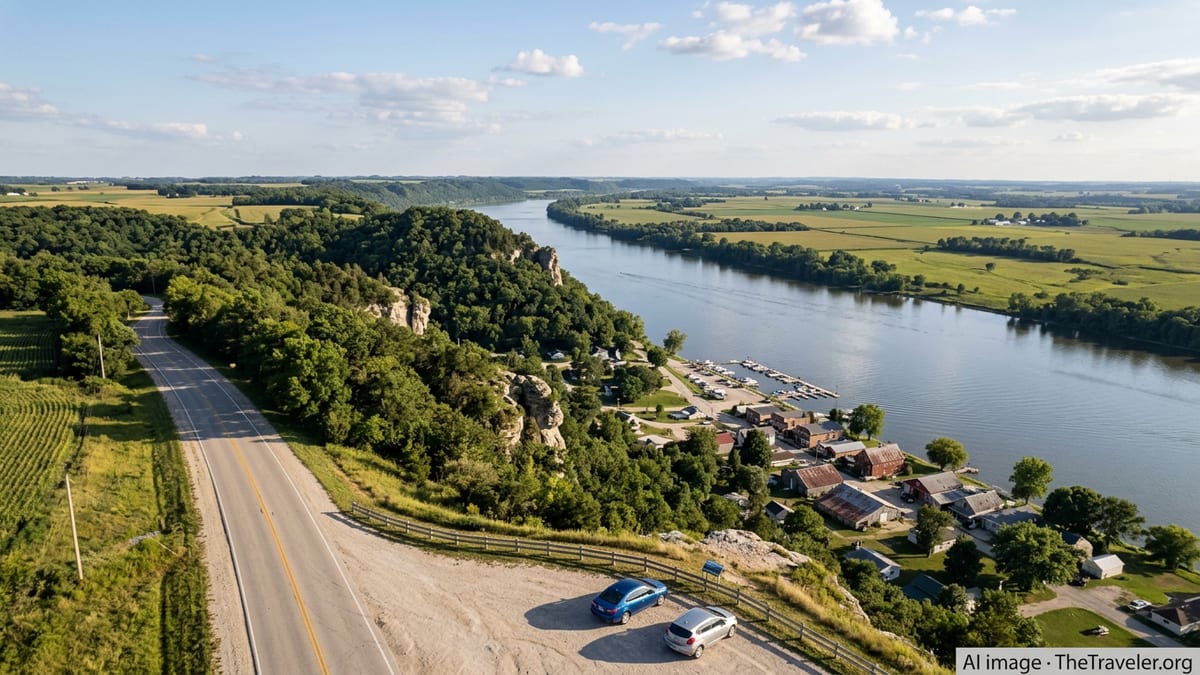
On Iowa’s northeastern edge, Pikes Peak State Park offers one of the most sweeping Mississippi River panoramas in the Midwest. The main overlook sits on one of the highest bluffs above the river in Iowa and looks down on the confluence of the Mississippi and Wisconsin rivers, a broad expanse of water framed by forested hills. For many visitors, the park is an easy add on to a day in the river town of McGregor or a scenic stop en route to Prairie du Chien across the river in Wisconsin.
Well maintained paths lead from the stone shelter near the parking area to the main observation deck. Short spur trails branch off to additional viewpoints, including Point Ann, and to natural features such as Bridal Veil Falls, a small cascade that often features in first day and weekend hiking events. Surfaces range from paved walkways to dirt and boardwalk sections and are generally manageable for families, though the route down to the falls can be steep and muddy after rain.
Because Pikes Peak occupies a high bluff, views change dramatically with the seasons. Spring and early summer highlight fresh green foliage and higher river levels, while fall rewards day trippers with layers of orange and red along both riverbanks. On clear winter days, the bluff can be especially quiet, and the bare trees open more expansive views, but icy patches on steps and overlooks require caution. Many Iowans time their visit for late afternoon, when the low angle sun washes the valley in soft light.
Just down the hill, McGregor and nearby Marquette provide easy access to cafés, small shops and riverfront walks, allowing you to balance time on the trail with leisurely stops in town. With drive times of roughly three hours from Des Moines and a bit less from Cedar Rapids, Pikes Peak works well as a long day trip if you start early. Those based in northeastern Iowa often use it as a half day escape paired with antiquing, birding along the river backwaters or a relaxed meal overlooking the water.
Okoboji and the Iowa Great Lakes: Classic Northwoods Style Escape
In northwest Iowa, the chain of glacial lakes known collectively as the Iowa Great Lakes centers on West Lake Okoboji, a deep, spring fed body of water ringed by small communities, public beaches and marinas. For generations, Okoboji has served as a low key resort area for Iowans seeking an easy summer escape without crossing state lines. Day trippers arrive for swimming, boating, lakeside dining and classic amusements, all clustered within a relatively small radius that makes it simple to sample several experiences in one visit.
Public recreation sites, including Gull Point State Park and Emerson Bay State Recreation Area on the shores of West Lake Okoboji, offer swimming beaches, boat ramps, picnic areas and short walking paths. Nearby Elinor Bedell State Park preserves prairie, wetland and oak savanna on the shore of East Okoboji Lake, providing a quieter counterpoint to more crowded beaches and marinas. Trail networks in the area, such as the multiuse Iowa Great Lakes Trail, give cyclists and walkers more than 40 miles of paved routes that loop near the water and through local towns.
The town of Arnolds Park has become the informal hub of day trip activity, with a historic amusement park, seasonal concerts, a small maritime museum and a boardwalk style waterfront. Summer brings live music, festivals and steady crowds, particularly on weekends, while shoulder seasons in spring and early fall offer more relaxed visits and easier parking. Local tourism agencies point to the clear water quality of the lakes and a mix of attractions ranging from mini golf and go karts to art centers and the Iowa Rock and Roll Hall of Fame museum.
For a simple day plan, many visitors start with a morning swim or boat rental, break for lunch at a lakeside café, then explore a state park or paved trail in the afternoon. Even a short, slow drive along the residential canals on West Lake Okoboji reveals another side of the region, with boat houses, small inlets and frequent birdlife. While lodging options cater to overnight and weeklong stays, Okoboji can easily work as a there and back day trip from Sioux City, Fort Dodge or much of northwest Iowa if you hit the road early.
Decorah and the Upper Iowa River: Waterfalls, Bluffs and Nordic Heritage
Decorah, in Iowa’s northeast corner, has quietly evolved into one of the state’s most appealing small town day trip bases. The city sits amid limestone bluffs carved by the Upper Iowa River and is surrounded by springs, waterfalls and conservation areas. Within a very short drive of downtown, visitors can walk to a waterfall at Dunning’s Spring Park, explore an ice cave just up the hill, visit additional springs at nearby parks and take in wide views from blufftop trails.
Local tourism materials highlight Dunning’s Spring as a signature stop: a city park where a spring fed stream drops in a photogenic waterfall surrounded by steep limestone walls. A short path and stone bridge lead visitors close to the base of the falls, and stairs climb partway toward the spring source. Other area spots, such as Twin Springs Park and the Decorah Community Prairie, add options for short walks, birding and river views, while waterfall enthusiasts often tack on a side trip to Malanaphy Spring, where water spills into the Upper Iowa River after a flat hike.
Beyond its natural features, Decorah has a distinct cultural draw anchored by its Norwegian heritage. The city is home to a well regarded museum complex dedicated to Nordic immigration and traditions, and the downtown area features bakeries, cafés and shops that reflect that influence. Day trippers can easily split time between outdoor exploration in the morning and a museum visit or brewery stop in the afternoon, all within a few miles of each other.
Decorah sits roughly two and a half hours from both Des Moines and Minneapolis by car, making it an attractive meeting point for friends and families traveling from different directions. The town’s compact layout and signed trail system simplify logistics for first time visitors. When river levels cooperate, guided or self guided paddling trips on the Upper Iowa River provide another way to experience the bluffs, though even a short drive along rural roads northeast of town offers memorable views of ridgelines, farms and wooded valleys.
Historic Amana Colonies: Easygoing Countryside and Craft Traditions
Southwest of Cedar Rapids, the Amana Colonies present a very different style of Iowa day trip focused on history, food and craftsmanship rather than on dramatic natural scenery. Settled in the nineteenth century by a communal religious group that farmed collectively for generations, the seven villages of the Amana Colonies now form a National Historic Landmark district. Many original stone and brick buildings remain in daily use as restaurants, shops, guesthouses and working craft studios.
Main Amana, the largest of the villages, serves as an obvious starting point, with several family style restaurants, a general store, a museum detailing communal life and tasting rooms for locally made wines and beers. Side streets feature restored communal kitchens, workshops and houses with tidy gardens, giving day trippers a sense of the orderly world the original settlers built. Additional villages, such as Homestead and West Amana, are a short drive away and reward unhurried wandering.
The surrounding countryside retains a quiet, agrarian feel, with fields, wooded patches and occasional views of the Iowa River valley. Seasonal festivals highlight everything from traditional German style foods to fiber arts and holiday markets, drawing visitors from across the state. Even on a regular weekend, the Amana Colonies encourage a slower pace: lingering over a hearty meal, watching a furniture maker or weaver at work, and browsing antique shops that often double as informal local history exhibits.
From Cedar Rapids, the drive is typically under 40 minutes, and even from Des Moines it is feasible as a relaxed day trip. The compact size of the villages means you can park once and explore much of Main Amana on foot, with short hops by car to smaller settlements. Travelers often find the Amana Colonies pair comfortably with a brief stop in Iowa City or Coralville, especially if combining a campus visit or bookshop browse with a more rural outing.
Mississippi River Towns: Guttenberg, Bellevue and Le Claire
Several small towns along Iowa’s eastern border with the Mississippi River make compelling low key day trips that combine waterfront walks, hilltop parks and historic main streets. Guttenberg, north of Dubuque, lines up handsome limestone buildings along a riverfront levee trail and offers front row views of towboats and barges locking through the dam. A short drive to nearby overlook points lets visitors see the river and islands spread out in both directions.
Farther south, Bellevue curls along a narrower stretch of the Mississippi backed by a steep bluff. Bellevue State Park, just above town, provides easy access to short trails and overlooks with wide river views, and a scenic drive along the bluff top reveals quiet picnic spots and glimpses of the water through the trees. The combination of parkland and town makes it simple to pair a picnic or short hike with ice cream or a meal along the main street below.
Near the Quad Cities, Le Claire has built its identity around river views, antique shops and a walkable historic district. Visitors can watch pleasure craft and towboats navigate the river from a riverside park or patio, then wander up a short hill to browse galleries and shops set in nineteenth century buildings. Events and festivals, often tied to vintage cars or river heritage, provide additional excuses to linger.
These towns are realistic day trip options from larger cities such as Cedar Rapids, Iowa City and the Des Moines metro, depending on how early you are willing to start. They also lend themselves to relaxed, multi stop drives that follow the river north or south. While each town has its own character, the common thread is an easygoing pace, scenic views of one of North America’s great rivers and a sense of connection to river commerce that still pulses along the channel.
Planning Your Iowa Day Trip: Seasons, Safety and Simple Logistics
Because Iowa’s caves, lakes and river towns lie within a few hours of one another, many travelers can reach multiple regions over a season without complicated planning. Even so, a few simple considerations help turn a casual drive into a smooth, rewarding outing. Seasonal timing may be the most important. Cave access at Maquoketa Caves typically runs from early spring through mid fall, while Okoboji and the Iowa Great Lakes bustle in summer but feel quieter and cooler in May, September and early October. Northeast Iowa’s bluff country near Decorah and Pikes Peak shines in fall foliage season, though shoulder periods in late spring can also be beautiful.
Weather can change quickly, especially near the Mississippi River bluffs and on open lake surfaces. Before you depart, check the forecast for both your home city and the destination, and build in flexibility for storms or heat. Trails at river and waterfall sites such as Dunning’s Spring or Bridal Veil Falls can turn slick after rain, so traction oriented footwear is more important than it might seem for short walks. On hot summer days, sun protection and extra water are essential at open overlooks and on exposed lakefront paths.
Road conditions are generally good throughout Iowa, but rural highways may see more wildlife crossings and farm equipment, especially during planting and harvest seasons. Allow extra travel time on two lane roads and be prepared for slower moving vehicles. In winter, even plowed routes can develop icy patches in shaded river valleys and on bridges, which can affect access to blufftop parks and smaller river towns.
Finally, remember that many of Iowa’s most memorable day trip experiences come from embracing a slightly slower pace. Leave space in your schedule for an unplanned stop at a roadside overlook, a longer than expected chat with a shop owner in a river town or an extra half hour watching the light change over a lake. With modest distances, manageable costs and low key attractions, Iowa is well suited to this style of easygoing exploration.
The Takeaway
Iowa’s appeal as a day trip destination lies in variety and proximity. Within a few hours of most home bases in the state, you can hike from sunlight into cool cave passages, gaze out from bluffs above the Mississippi, stroll through a communal era village or dip your paddle into clear glacial lakes. None of these outings requires intricate logistics, and most can be adapted to families, solo travelers or small groups with different activity levels.
Maquoketa Caves offers one of the region’s most surprising landscapes, while Pikes Peak and nearby river towns deliver classic Mississippi vistas. Okoboji and the Iowa Great Lakes channel relaxed resort energy with plenty of public access, and Decorah stitches together waterfalls, bluffs and Scandinavian heritage into a compact, appealing package. The Amana Colonies and a string of smaller river communities add depth and character for travelers more interested in food, history and architecture than in long hikes.
By matching your interests and the season to the right corner of the state, these easy drives become more than a way to fill a free Saturday. They showcase a quieter, more textured version of Iowa, one that rewards curiosity, unhurried schedules and a willingness to take the scenic route whenever possible.
FAQ
Q1. Can I visit Maquoketa Caves in winter?
Cave access is typically closed from mid November through March to protect hibernating bats, though above ground trails and overlooks often remain open, weather permitting.
Q2. Are the trails at Pikes Peak State Park suitable for children?
Yes, several short paths to the main overlook are family friendly, but parents should supervise children closely near drop offs and use caution on steeper trails to waterfalls.
Q3. Do I need a boat to enjoy a day trip to Okoboji?
No. Public beaches, lakeside parks, paved trails, amusement rides and waterfront dining make it easy to enjoy the Iowa Great Lakes without owning or renting a boat.
Q4. Is Decorah a good destination for non hikers?
Decorah works well even if you prefer light walking. Dunning’s Spring is a short stroll from parking, and the town offers museums, shops, cafés and breweries near downtown.
Q5. How much time should I plan for the Amana Colonies?
A single relaxed day is enough to sample restaurants, museums and shops in Main Amana and one or two nearby villages, though history and craft enthusiasts may want repeat visits.
Q6. Are Mississippi River towns like Guttenberg and Bellevue crowded?
They are generally quiet, especially on weekdays. Weekends and festival days can feel busier, but they rarely reach the crowd levels of larger resort destinations.
Q7. What is the best season for Iowa cave and waterfall trips?
Late spring through early fall usually offers comfortable temperatures and flowing water. After heavy rain, trails can be muddy, so check local conditions before you go.
Q8. Can I combine more than one of these destinations in a single day?
Yes, some are close enough for combo trips, such as Pikes Peak with nearby river towns or Decorah with surrounding waterfalls, but allow extra time for winding rural roads.
Q9. Do these parks and towns charge entrance fees?
Most Iowa state parks do not charge day use entrance fees, though museums, attractions and parking in some towns may have modest charges. Check locally for current details.
Q10. Are these day trips accessible without a car?
Public transit options to smaller parks and river towns are limited. For most visitors, a personal vehicle or rental car is the most practical way to reach these destinations.