

Illinois celebrates in every season, from the shores of Lake Michigan to small prairie towns surrounded by cornfields. Anchored by Chicago’s global music and food festivals and the long-running Illinois State Fair in Springfield, the state’s events calendar offers a steady rhythm of live music, neighborhood street parties, agricultural showcases, and cultural celebrations. For travelers planning a dedicated festival trip or looking to add a few days of local color to a broader itinerary, these are the standout Illinois festivals and events that define the state’s sense of place.
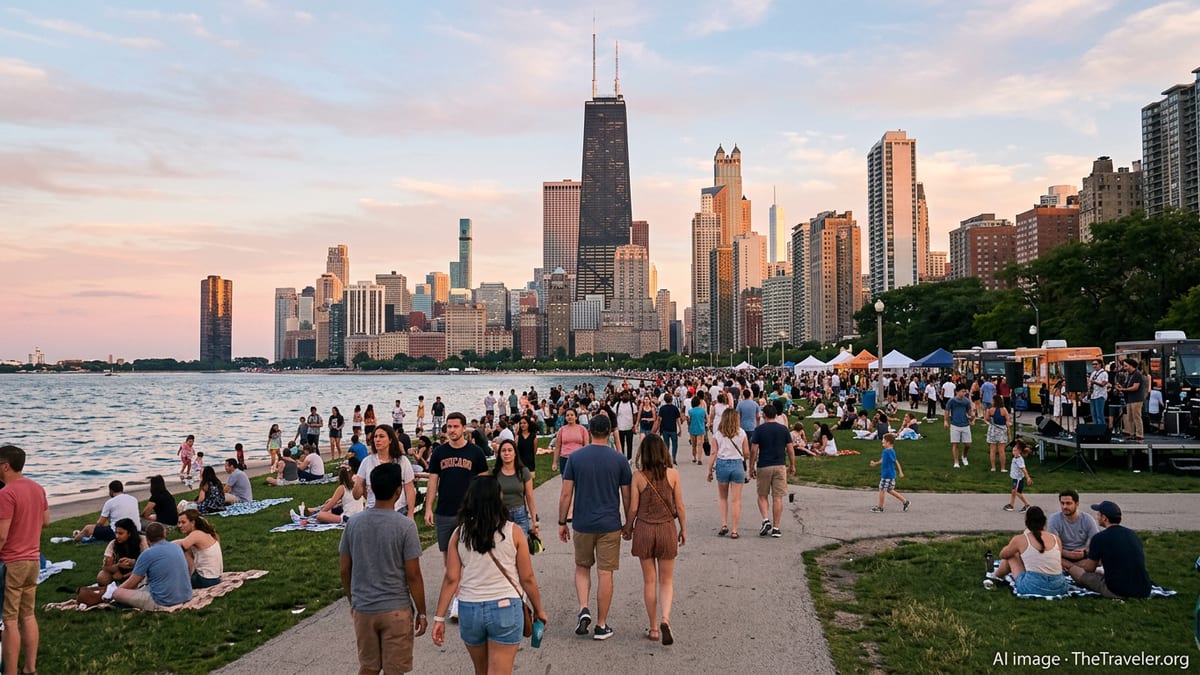
Chicago’s Signature Music Festivals
Chicago’s music calendar is one of the strongest in the United States, with major festivals that draw international visitors while still feeling rooted in the city’s neighborhoods and history. At the center of that scene is Lollapalooza, the four-day, multi-stage festival that typically takes over Grant Park in early August, bringing marquee rock, pop, hip hop, and electronic acts to a downtown lakefront setting. Travelers can expect overlapping sets across several stages, skyline views from the grass, and a young, high-energy crowd that spills into clubs and after-shows across the city.
For many music lovers, though, Chicago’s free city-produced festivals are the true highlights. The Chicago Blues Festival, usually in early June, celebrates the sound that helped define the city’s musical identity, with performances by legendary and emerging artists in Millennium Park and satellite stages around town. Later in the summer, the Chicago Jazz Festival, often centered on late August or early September dates, brings a mix of avant-garde ensembles, big bands, and international guests. Both events showcase the city’s deep bench of working musicians and are ideal for travelers who want world-class music without the price of a large-ticket festival.
Chicago’s festival lineup has diversified in recent years, with events like the Latin-focused Sueños Music Festival in Grant Park, typically held in late May, and the indie-leaning Pitchfork Music Festival in Union Park, usually scheduled for July. These gatherings are more niche than Lollapalooza but can be more manageable for visitors, with smaller footprints, easy transit access, and lineups that spotlight rising artists alongside established names. Ticket availability and policies change year to year, so travelers are wise to check dates and sales windows several months in advance.
Because Chicago’s larger festivals concentrate in the warm-weather months, planning around them often means combining several events in a single trip. A traveler visiting in late August, for example, might catch club shows tied to a major festival, then spend a quieter day exploring record shops in neighborhoods like Wicker Park or Hyde Park. The combination of big outdoor stages and intimate venues is part of what makes Chicago a rewarding destination for festival-focused itineraries.
Food, Culture, and Neighborhood Street Festivals in Chicago
Beyond the big-ticket music events, Chicago’s summer is defined by a dense calendar of street and food festivals that stretch from May into early autumn. Taste of Chicago remains the city’s flagship food event, typically held in Grant Park over several days in late summer. Although the scope and size have evolved over time, the format is familiar: dozens of vendors offering sample-sized portions, live music stages, and family-friendly activities. For travelers, it is a way to taste local favorites and regional specialties in one place, from deep-dish slices to neighborhood taqueria fare.
Neighborhood fests are where Chicago’s character really comes into focus. Throughout June, July, and August, districts such as Lincoln Square, Pilsen, Andersonville, and Logan Square close key streets to traffic for weekends of live music, local craft beer, artisan goods, and community programming. Events like Lincoln Square’s fall apple-themed celebration, heritage festivals in neighborhoods with strong Polish, Puerto Rican, or Mexican roots, and various art and craft fairs offer visitors an easy chance to mix with residents rather than crowds of out-of-town visitors. Entry is often suggested-donation rather than ticketed, although food and drink purchases can add up quickly.
Travelers should be prepared for variable crowds and weather at these smaller events. On prime summer weekends, several street festivals may run at once, which spreads out attendance but can still mean packed sidewalks and lines at popular vendors during peak hours. Early afternoon or Sunday visits are often more relaxed, especially for families or visitors who prefer a quieter atmosphere. Comfortable walking shoes, sunscreen, and a flexible schedule will go a long way toward making the experience enjoyable.
One advantage of Chicago’s neighborhood festivals is their proximity to public transportation. Most are reachable by a combination of the CTA rail system and short walks. That access allows travelers to combine neighborhood exploration with festival time: browsing independent bookstores and cafes by day, then listening to local bands and sampling regional food stalls in the evening, all without needing a car.
Illinois State Fair and Springfield’s Big Events
Outside Chicago, the single biggest annual event in Illinois is the Illinois State Fair, held in Springfield every August. The fairgrounds on the city’s north side host an 11-day celebration that blends agriculture, entertainment, and Midwestern nostalgia. Recent fairs have run in mid-August, with state agencies noting a strong rebound in attendance and describing recent years as some of the best-attended in the fair’s long history. Visitors encounter livestock competitions, 4-H and FFA exhibits, carnival rides, food stands, and grandstand concerts featuring nationally known artists alongside classic-rock and country acts.
The fair is also an introduction to the state’s agricultural backbone. Barns and exhibition halls highlight everything from corn and soybeans to specialty crops and ag technology. Families with children can visit interactive displays to learn how food moves from farm to table, and meet young exhibitors preparing animals for judging. For travelers who have only experienced urban Illinois, spending a day at the fair provides a sense of the communities and industries that surround Chicago and its satellite cities.
Springfield’s event calendar extends beyond August. Each May, the Springfield Old Capitol Art Fair transforms the grounds around the Old State Capitol into an outdoor gallery, with dozens of artists and artisans exhibiting paintings, ceramics, jewelry, and sculpture. The fair, which dates back to the early 1960s, typically takes place on the third weekend in May and has become one of the Midwest’s more respected juried art shows. It is especially known for a children-focused area where young visitors can purchase affordable pieces on their own, an experience that turns art collecting into a family activity.
Throughout the year, the Illinois State Fairgrounds host additional expos and specialty events, ranging from agricultural trade shows to seasonal markets. Travelers passing through Springfield outside of the main fair season may still find something happening on the grounds, from equestrian competitions to product expos featuring Illinois-made foods. Checking local listings shortly before traveling is advisable, since specific dates and lineups can shift with short notice.
Lakefront Spectacle: Chicago Air & Water Show
Among Chicago’s non-music events, the Chicago Air and Water Show occupies a special place on the city’s late-summer calendar. Typically held over a weekend in August, it lines up aerobatic flight demonstrations and water-based performances along the Lake Michigan shoreline, centered on areas near North Avenue Beach and visible from much of the central lakefront. Official information describes it as one of the largest free shows of its kind in the country, with attendees spread across beaches, parks, and high-rise balconies to watch jets, vintage aircraft, and parachute teams perform above the water.
The spectacle factor is high, especially when military demonstration teams participate with formation flying and precision maneuvers. On the water, spectators may see rescue demonstrations and coordinated boat displays, depending on the year’s program. Because rehearsals and practice runs take place in the days leading up to the main event, visitors arriving early can sometimes catch partial shows without the densest crowds, while still enjoying the novelty of jets flying low over the lakefront.
From a traveler’s perspective, the Air and Water Show is as much about logistics as it is about aviation. The best vantage points are along the beaches and lakefront paths between Oak Street and Fullerton Avenue, which become extremely crowded during prime viewing hours. Public transit is recommended, as nearby parking is limited and streets can be closed or congested. Bringing a blanket, ear protection, water, and sun protection is essential, especially for families with children or anyone sensitive to noise.
Weather is a major variable. On a clear August day with light winds, the show offers bright blue backdrops and clear lines of sight. Low clouds, fog, or strong winds can alter the schedule or limit certain aerial maneuvers. Checking local forecasts the morning of the show is important, and travelers with flexible plans might choose the better of the two show days if the weekend forecast is mixed. Regardless of conditions, the event offers a unique way to appreciate Chicago’s skyline, beaches, and harbor activity in one place.
Small-Town Charm: Fairs and Festivals Across Illinois
Beyond Springfield and Chicago, Illinois’ smaller cities and towns host a dense network of festivals that are worth building into a road trip. County fairs are a staple of summer, typically running over long weekends between June and August. While each fair operates independently, many share common features: livestock barns, local 4-H exhibits, carnival midways, demolition derbies or small-track motorsports, and food stands selling everything from corn dogs to pork chop sandwiches. Travelers will find that admission costs are usually modest and that evenings attract local families, giving these events a distinctly communal feel.
In the northern suburbs, Long Grove’s Apple Fest, held in historic downtown Long Grove, is a prime example of a themed small-town festival. Organizers highlight apple-centric treats such as pies, doughnuts, caramel apples, and even apple wine, alongside live music and family activities. Event information for each year is typically updated a few months in advance, and recent festivals have featured multiple stages and a wide range of vendors. For travelers staying in Chicago, Long Grove is reachable as a day trip by car, offering a break from the urban pace.
Across the state, harvest festivals, wine weekends, and riverfront celebrations give a sense of local landscapes. In western Illinois, for instance, towns along the Mississippi River and in hilly areas near the Wisconsin border hold Oktoberfest-inspired events and wine festivals celebrating regional vineyards. Schedules and branding vary, but common threads include live music, craft booths, and seasonal food that reflects the surrounding farms and orchards. Visitors interested in these smaller gatherings should check local tourism board calendars, since dates can shift year to year and some events pause or rebrand between seasons.
For travelers willing to leave the interstate and explore county seats or river towns, these festivals often become trip highlights. They are opportunities to talk with local producers, taste regional specialties, and experience traditions that rarely show up in national travel coverage. Because accommodations in smaller communities can book quickly around major events, especially in peak fall foliage season, it is wise to secure lodging well ahead of time or pair festival visits with stays in nearby larger cities.
Planning Your Festival Trip: Seasons, Weather, and Logistics
Illinois’ festival calendar loosely follows the seasons, with some year-round events but a clear concentration from late spring through early fall. In practical terms, that means festival-focused travel often works best between May and October, when outdoor events are most active and the risk of snow or freezing temperatures is lower. Chicago’s major music festivals and neighborhood street fairs are heavily weighted toward June, July, and August, while harvest and apple-themed events typically cluster in September and early October.
Weather is a crucial planning factor. Summer brings heat and humidity to much of Illinois, especially in July and August, and daytime highs can sit in the upper 80s Fahrenheit or higher. Thunderstorms are not uncommon, and festival organizers may pause or delay performances during lightning or severe weather. Packing lightweight clothing, a small umbrella or rain jacket, and refillable water bottles can make long days outdoors far more comfortable. By contrast, shoulder-season events in May or October may require layers, with chilly mornings and evenings even when afternoons are pleasant.
Transportation and accommodation logistics vary widely between Chicago and the rest of the state. In Chicago, most festival sites are accessible via public transit, supplemented by rideshare services and extensive bike-share networks. It is often easier to book a centrally located hotel or short-term rental and move around the city without a car. For Springfield and smaller towns, however, driving is typically the most practical option, and rental cars may be necessary for out-of-state visitors. During major events like the Illinois State Fair, hotels near the fairgrounds and in downtown Springfield can fill quickly, so booking months in advance is recommended.
Travelers who wish to string together multiple Illinois festivals in one trip might consider a loop that includes Chicago, Springfield, and one or two smaller communities. For example, an August itinerary could start with a long weekend in Chicago tied to a music festival or the Air and Water Show, continue south to Springfield for several days at the Illinois State Fair, then swing through smaller river towns or college communities for local fairs or farmers’ markets. Such routes make it possible to experience Illinois as more than a single city, highlighting the diversity of its landscapes and local cultures.
The Takeaway
Illinois’ festivals and events tell the story of a state that is both deeply urban and distinctly rural. Chicago’s global music festivals, neighborhood street fairs, and dramatic lakefront spectacles showcase a metropolis confident in its cultural power, while the Illinois State Fair and countless county-level events remind visitors of the farms, small businesses, and tight-knit towns that support that city and stretch to every border.
For travelers, that diversity translates into options. A single weekend can be devoted entirely to a marquee music lineup in Grant Park, or spread across a neighborhood food festival, an afternoon at a lakefront air show, and an evening jazz set under skyscrapers. A longer trip might add days at the state fair, where grandstand concerts mix with livestock barns and local food stands, and side visits to apple or harvest festivals in smaller communities.
Because dates, lineups, and even formats evolve from year to year, the most successful festival trips to Illinois balance advance planning with flexibility. Checking official city and state event calendars in the months before departure, building in extra time for weather-related changes, and remaining open to neighborhood-level discoveries will all help ensure a rewarding experience. Whether you come for blues and jazz in a downtown park, carnival lights over the fairgrounds in Springfield, or caramel apples on a small-town main street, Illinois offers a full season of reasons to celebrate.
FAQ
Q1. When is the best time of year to visit Illinois for festivals?
The most active festival period runs from late May through early October, with peak activity in June, July, and August for outdoor music, food, and street events.
Q2. How far in advance should I book hotels for big Illinois festivals?
For major events such as Lollapalooza or the Illinois State Fair, booking three to six months ahead is wise, especially if you want central locations or walkable access.
Q3. Is it possible to attend Chicago festivals without renting a car?
Yes. Most Chicago festival sites are reachable via public transit, rideshare, or biking, so many visitors comfortably skip car rentals within the city limits.
Q4. Are Illinois festivals family friendly?
Many are. The Illinois State Fair, neighborhood street festivals, and small-town fairs often include children’s activities, while some late-night concerts cater more to adults.
Q5. How much do Chicago’s neighborhood street festivals cost?
Most neighborhood festivals suggest a donation at the gate rather than requiring a fixed entry fee, but you should budget for food, drinks, and any special activities.
Q6. What should I pack for a summer festival trip to Illinois?
Lightweight clothing, comfortable walking shoes, sun protection, a refillable water bottle, and a light rain layer are practical for hot, changeable Midwestern weather.
Q7. Can I combine Chicago festivals with the Illinois State Fair in one trip?
Yes. Many travelers plan an August itinerary that includes a weekend in Chicago for a festival or the Air and Water Show, followed by several days at the fair in Springfield.
Q8. How do I find information on small-town festivals across Illinois?
Local tourism boards, city and county websites, and regional visitor guides usually publish seasonal festival calendars, often updated in late winter or early spring.
Q9. Are Illinois festivals accessible for travelers with mobility needs?
Large events in Chicago and at the Illinois State Fairgrounds typically offer paved paths and designated viewing areas, though conditions at small-town fairs can vary.
Q10. What happens if there is bad weather during an outdoor festival?
Light rain may not affect schedules, but severe weather can cause delays or cancellations, so organizers usually share real-time updates through local media and official channels.