

Small in size but rich in history, shoreline, and charm, Delaware rewards first-time visitors with an easy mix of beach time, culture, and classic East Coast scenery. Whether you base yourself on the Atlantic coast, in leafy northern suburbs, or near the storied streets of Dover, you are never far from a boardwalk, a wildlife refuge, or a Revolutionary-era landmark. This guide highlights the essential experiences that capture the spirit of the First State and help you plan a balanced, memorable first trip.
Feel the Energy of Rehoboth Beach and Its Classic Boardwalk
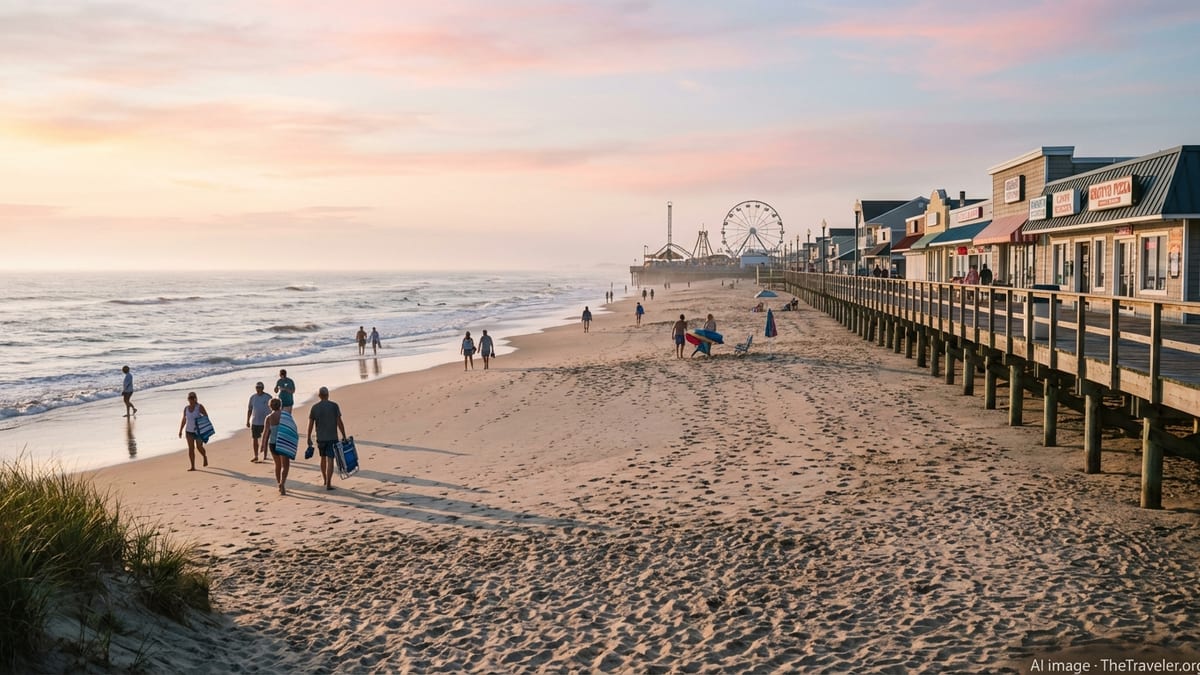
For many first-time visitors, Delaware starts at Rehoboth Beach, a mile-long stretch of sand backed by a wooden boardwalk that feels tailor-made for summer memories. Often described as the Nation’s Summer Capital because of its popularity with mid-Atlantic travelers, this compact seaside town blends old-fashioned amusements with contemporary dining and shopping. The boardwalk is lively in warm weather, yet the scale of the place keeps it walkable and relaxed compared with bigger resort towns along the Atlantic.
A stroll along the boardwalk introduces you to many of the traditions that keep families returning year after year. Classic beach treats like hand-cut fries, caramel corn, saltwater taffy, and frozen custard are part of the experience, as are arcades packed with skee-ball machines and vintage-style games. Funland, the family-run amusement park beside the boardwalk, offers a cluster of nostalgic rides and midway games that appeal especially to children, though you will see grown-ups happily lining up for the same thrills they remember from their own childhood visits.
Beyond the boardwalk itself, Rehoboth’s compact downtown offers more to explore between beach sessions. Side alleys and pedestrian lanes are lined with small boutiques, galleries, and cafes, making it easy to spend a late afternoon browsing for souvenirs or relaxing over a drink as the sun drops toward the horizon. As evening arrives, the boardwalk’s cafes and bandstand performances keep the atmosphere festive without losing the town’s family-friendly character.
Even outside peak summer, Rehoboth can be a pleasant base for a first trip to Delaware. Shoulder seasons such as late spring and early fall often deliver mild weather, quieter streets, and lower lodging rates while keeping most core businesses open on weekends. A long beach walk on a cool, breezy day, followed by seafood and a warm drink back in town, is a very different but equally appealing way to experience the coast.
Explore Cape Henlopen State Park and the Wider Delaware Beaches
Just up the coast from Rehoboth, Cape Henlopen State Park offers a wilder, more natural side of Delaware’s shoreline. The park’s broad Atlantic beaches feel spacious even on busy days, and beyond the sand you will find miles of trails through maritime forest, dunes, and coastal wetlands. Cyclists can follow the paved Gordons Pond and Junction and Breakwater trails, which link the park with nearby beach towns and provide sweeping views over salt marsh and tidal ponds.
History is layered into the landscape at Cape Henlopen. Former World War II observation towers still rise above the dunes, and remnants of coastal defense batteries remain scattered near the shore. Climb the accessible tower in season for a panoramic view of the ocean, the Delaware Bay, and the curve of coastline that once formed part of a strategic defensive network. These relics give context to the otherwise tranquil scenery and add depth to a day that might otherwise be devoted solely to sun and surf.
Wildlife enthusiasts will find much to appreciate here as well. The park lies along major migratory flyways, so birdwatching can be rewarding in spring and fall, with shorebirds, raptors, and songbirds all passing through. In summer, the calmer waters of the bay side beaches are popular with families, kayakers, and stand-up paddleboarders, who often spot dolphins offshore and horseshoe crabs near the shoreline during their spawning season.
Elsewhere along the coast, smaller communities like Dewey Beach, Bethany Beach, and Fenwick Island provide alternative bases with their own personalities. Dewey leans more toward nightlife and watersports, while Bethany and Fenwick emphasize a quieter, village-style atmosphere. For a first trip, even a short drive between these towns reveals how varied Delaware’s relatively compact beachfront can be, allowing you to mix bustling boardwalks with low-key, residential-feeling stretches of sand.
Step Back in Time in Historic Dover and First State Heritage Park
To understand why Delaware is known as the First State, carve out at least a half day in Dover, the state capital and a surprisingly walkable hub of history in the center of Delaware. First State Heritage Park weaves together key historic sites around the old town green, functioning as a “park without boundaries” that links museums, government buildings, and 18th-century streetscapes. Structured tours and interpretive programs highlight Delaware’s role in ratifying the United States Constitution and its evolution from colonial province to independent state.
One highlight is the Old State House, an elegant Georgian building that served as Delaware’s capitol in the late 1700s and early 1800s. Restored interiors and costumed interpreters help bring to life the debates and decisions that once unfolded here. Nearby, Legislative Hall, the modern state capitol, offers guided visits that explain how Delaware’s legislature operates today, connecting the past with the present in a way that first-time visitors often find illuminating.
Beyond government buildings, Dover’s historic district includes house museums, churches, and small galleries that reward unhurried exploration. Quiet side streets reveal brick sidewalks, tidy gardens, and preserved facades that hint at the town’s long history. Several state-run museums within walking distance cover topics ranging from local archaeology and decorative arts to regional aviation and transportation, making it easy to tailor your visit to particular interests.
Pairing history with local flavor is simple in Dover. Coffee shops and casual restaurants cluster around the historic core, providing convenient places to pause between site visits. If your trip coincides with special events, such as seasonal festivals or heritage-themed weekends, you may also encounter reenactments, craft demonstrations, or extended museum hours that add extra energy to the otherwise serene streetscape.
Discover Wilmington’s Riverfront, Museums, and Gardens
Northern Delaware centers on Wilmington, a compact city along the Christina and Brandywine rivers that feels more approachable than many regional urban hubs. For first-time visitors, the redeveloped riverfront is a logical starting point. A pedestrian riverwalk links parks, public art, and family-friendly venues along the Christina River, creating an easy setting for a stroll, bike ride, or relaxed evening out. Tubman-Garrett Riverfront Park anchors one end of this corridor, honoring Underground Railroad figures Harriet Tubman and Thomas Garrett with memorials, green space, and interpretive signage.
Just beyond the waterfront, Wilmington’s cultural institutions offer a deeper look at the region’s artistic and industrial heritage. The Delaware Art Museum, set near Rockford Park, is known for its collection of American art and illustration, as well as a celebrated group of Pre-Raphaelite works. Nearby, the Hagley Museum and Library preserves the original du Pont gunpowder works along the Brandywine, weaving together stories of early American industry, worker communities, and environmental change in a picturesque riverside setting.
Gardens and landscapes are a signature feature of the broader Wilmington area. Mt. Cuba Center showcases native plants in woodland and meadow-style gardens that shift dramatically with the seasons, from spring wildflowers to late-summer pollinator displays. Other nearby estates-turned-public-gardens in the wider Brandywine Valley, though technically across state lines, are often combined with Delaware itineraries, making Wilmington a convenient jumping-off point for days devoted to horticulture and scenic drives.
In the city itself, neighborhoods surrounding the downtown core are gradually filling with new restaurants, cafes, and small venues that reflect Wilmington’s evolving identity. A first visit does not require an extensive stay, but an overnight or full day in the area allows time to combine riverfront walking, museum visits, and dinner in one of the revitalized districts, giving you a well-rounded sense of northern Delaware’s urban side.
Experience Small-Town Character in Lewes and Along the Bayshore
Across the canal from Cape Henlopen State Park, the town of Lewes offers a gentler, more historic counterpoint to the livelier scene in Rehoboth. Founded in the 1600s, Lewes describes itself as the First Town in the First State, and its streets still reflect deep colonial and maritime roots. Low-rise storefronts, tidy clapboard houses, and ship captain’s homes line the downtown grid, while the town’s harbor opens onto both the canal and the Delaware Bay.
Museums and historical societies in Lewes highlight the area’s early Dutch settlement, maritime history, and role in coastal trade. A compact historical complex close to the town center typically includes a preserved house, small exhibits, and docent-led tours that bring local stories to life. These experiences are low-key but engaging and can be combined easily with window-shopping at independent boutiques or a quiet meal overlooking the water.
For first-time visitors, Lewes can also serve as a base for exploring the broader Delaware Bayshore, where wildlife refuges and lesser-known beaches offer a very different atmosphere from the Atlantic resorts. Prime Hook National Wildlife Refuge, north of Lewes, centers on tidal marshes, ponds, and forested edges that attract migratory birds throughout the year. Boardwalks and trails put you close to the landscape without requiring technical hiking skills, making this an accessible option for families and casual nature lovers.
Smaller bayside communities further north, such as those edging the Bombay Hook region, reveal a slower pace of life shaped by fishing, farming, and seasonal tourism. Unassuming roadside crab shacks, farm stands, and simple marinas punctuate otherwise quiet stretches of road. Spending even a few hours in this environment adds another layer to your understanding of Delaware, shifting the focus from beaches and statehouses to marshes, birds, and working waterfronts.
Immerse Yourself in Nature, Trails, and Outdoor Recreation
Although Delaware is one of the smallest states in the United States, it still manages to offer a varied collection of parks and outdoor experiences. In addition to Cape Henlopen and the coastal refuges, inland parks and preserves provide wooded trails, freshwater ponds, and rolling hills that feel a world away from the beach crowds in summer. Many of these green spaces sit within an easy drive of major highways, which makes them convenient side trips on a multi-stop itinerary.
Close to Wilmington, Rockford Park and the larger system of Brandywine parks form a continuous ribbon of green along the river, with walking paths, picnic areas, and scenic overlooks. The stone Rockford Tower, open seasonally, rewards those who climb its interior stairs with views over the city and the tree canopy. Nearby, established multi-use trail networks invite joggers, cyclists, and dog walkers to make the most of the relatively mild regional climate for large parts of the year.
Elsewhere in the state, a growing network of rail-trails and shared-use paths offers options for longer rides or runs that link small communities and rural landscapes. These routes are often quite flat, reflecting Delaware’s topography, and can be suitable for families or casual cyclists. State forests and regional parks add to the mix with fishing ponds, equestrian trails, and seasonal hunting areas, so it is worth checking current regulations and trail maps before you go.
Water-based recreation is another highlight, from kayaking sheltered inlets and tidal creeks to stand-up paddleboarding on calm bays. Rental operators in coastal towns make it relatively straightforward to try these activities even if you arrive without gear, though conditions can vary with tides, wind, and weather. When planning an itinerary that includes paddling or boating, flexible scheduling and a willingness to adjust plans based on forecasts will help you enjoy Delaware’s waterways safely and comfortably.
Plan a First-Time Delaware Itinerary That Fits Your Travel Style
Because Delaware is compact, first-time visitors often underestimate how much they can reasonably see in a few days. Distances between major hubs such as Wilmington, Dover, and the coastal towns are modest in miles, but seasonal traffic, especially near the beaches, can slow travel. Building an itinerary around one or two primary bases, rather than attempting to change hotels each night, generally leads to a more relaxed experience and allows for spontaneous detours.
One popular approach is to divide a long weekend between the beaches and a day of history and gardens. For example, you might spend two nights in Rehoboth or Lewes, giving yourself one full beach day and another to explore Cape Henlopen or the Delaware Bayshore, then drive north for a day in Wilmington’s museums and gardens before returning home. Alternatively, if you are particularly drawn to early American history, basing yourself closer to Dover and planning day trips outward can keep driving times even shorter.
Seasonality plays a significant role in shaping a first visit. Summer delivers the most predictable beach weather and the widest range of open attractions, but it also brings crowds and higher lodging prices, particularly on weekends. Late spring and early fall can be ideal for combining outdoor activities with sightseeing, and winter, while quieter and colder, may appeal to those looking for solitude, lower rates, and uncrowded museums. When planning, consider not only temperature but also daylight hours, as shorter winter days may limit the time you can comfortably spend outdoors.
Practical details such as parking, state park entrance fees, and toll roads are worth noting in advance. Many popular beach towns use paid parking systems in high season, and state parks typically charge modest vehicle fees that help support maintenance and conservation. Checking current information shortly before your trip will help you budget appropriately and avoid surprises, leaving you free to focus on the scenery, history, and local flavors that define Delaware.
FAQ
Q1. How many days should a first-time visitor spend in Delaware?
A stay of three to four days is enough to sample the beaches, visit at least one historic area such as Dover or Lewes, and see a bit of Wilmington’s riverfront or gardens without rushing.
Q2. When is the best time of year to visit Delaware’s beaches?
Late May through early September offers the warmest beach weather, but early June and September often balance pleasant temperatures with slightly smaller crowds and more moderate prices.
Q3. Is Rehoboth Beach suitable for families with young children?
Yes, Rehoboth Beach is known for its family-friendly atmosphere, gentle surf on many days, accessible boardwalk, and classic amusements such as arcades and small-scale rides.
Q4. Can I explore Delaware without a car?
Limited public transport exists between some towns, but a car makes it much easier to combine coastal areas, historic sites, and state parks in a single trip, especially outside peak season.
Q5. Are Delaware’s state parks open year-round?
Most state parks are open throughout the year, though hours, facilities, and services can vary by season, and some amenities or observation towers may close in winter.
Q6. What should I pack for a summer visit to Delaware?
Plan for lightweight clothing, beachwear, sun protection, and comfortable walking shoes, plus a light layer for cooler evenings or air-conditioned restaurants and attractions.
Q7. Are there quieter alternatives to the main beach towns?
Yes, smaller communities along the Delaware Bay and stretches near state parks or wildlife refuges tend to be calmer than the main Atlantic resorts, especially on weekdays.
Q8. Is Delaware a good destination for outdoor activities beyond the beach?
Delaware offers hiking and biking trails, wildlife refuges, paddling routes, and riverside parks, making it appealing to visitors who enjoy spending time in nature.
Q9. How expensive is a Delaware vacation compared with larger East Coast resorts?
Costs vary by season, but many visitors find lodging and dining in Delaware somewhat more affordable than in larger, heavily commercialized beach destinations along the East Coast.
Q10. Is Delaware worth visiting in the winter?
Winter visits offer quiet beaches, uncrowded museums, lower hotel rates, and a reflective atmosphere that appeals to travelers who prioritize relaxation over warm-weather activities.