


Delaware may be one of the smallest states in the country, but it offers a surprisingly wide range of overnight options, from simple beach motels and family campgrounds to historic inns and polished riverfront hotels. Whether you are planning a quick business trip to Wilmington, a long weekend along the Atlantic, or a budget-friendly road trip that hops between state parks and small towns, you will find somewhere comfortable to stay without overspending. This guide highlights the best areas and types of accommodation across Delaware for every budget, with a focus on practical details and an honest sense of what each place does best.
How to Choose Where to Stay in Delaware
Deciding where to base yourself in Delaware starts with your priorities. The state divides naturally into a handful of distinct regions: the Wilmington and Brandywine Valley corridor in the north, the college and corporate hubs around Newark, the historic capital of Dover in the center, and the Atlantic and bay beaches in Sussex County to the south. Each area has its own lodging character and price range, from chain hotels near interstates to upscale boutique properties near the ocean.
Seasonality is just as important as geography. Summer and early fall bring peak demand at the beaches, which can push nightly rates significantly higher than inland options. By contrast, winter and early spring often deliver lower prices and more promotions, even at popular hotels. If your dates are flexible, shifting your stay by a week or two outside school holidays can open up better rooms at more affordable prices.
It is also useful to think in terms of travel style. Business travelers and conference guests often gravitate toward Wilmington’s riverfront district or Newark’s hotels near the university and major highways. Families usually look to Rehoboth, Bethany, and Fenwick Island for walkable boardwalks and straightforward beach rentals. Couples may prefer smaller inns in Lewes or historic bed and breakfasts in towns like New Castle. Budget travelers do well with state park campgrounds, basic motels along Route 1, and midscale chains clustered near Dover and the I 95 corridor.
Finally, factor in transportation. Delaware’s compact size makes it easy to mix city and shore in a single trip, but traffic on summer weekends can be heavy on the main routes to the coast. If you plan to stay inland and commute to the beach, look closely at drive times and parking rules. In some resort towns, seasonal meters and permits affect how convenient your stay will feel day to day.
Wilmington and the Brandywine Valley: City Comforts and Cultural Escapes
Wilmington, Delaware’s largest city, anchors the northern part of the state with a solid range of hotels that work well for both business and leisure travel. Around the revitalized Riverfront district, you will find modern full service properties and reliable midrange chains tucked among restaurants, minor league baseball, and walking paths along the Christina River. These hotels tend to offer predictable amenities such as on site dining, fitness centers, and meeting space, making them a practical choice for conferences or corporate stays.
Move a little farther into downtown and you will encounter a mix of historic and contemporary buildings that house everything from boutique style hotels to familiar brands. Staying here puts you closer to cultural attractions like the Delaware Art Museum, the Grand Opera House, and seasonal events that spill into city streets and plazas. Weeknight rates often cater to business travelers, while weekends can be attractive for value minded visitors who want a city break without big city prices.
Just outside Wilmington, the Brandywine Valley stretches into a patchwork of gardens, estates, and rolling countryside. This area caters more to travelers seeking a quiet base with easy access to attractions such as Longwood Gardens and local museums. Lodging includes country inns, small bed and breakfasts, and select chain hotels near key highway exits. Rooms here often feel more residential, and some properties sit on former estates or farmland, offering views of meadows and wooded hills rather than city streets.
For budget travelers, the greater Wilmington area offers several dependable options near the I 95 corridor. These roadside and suburban hotels tend to focus on free parking, basic breakfasts, and convenient access to both Pennsylvania and New Jersey. They are rarely glamorous, but they can be a smart way to keep costs down while still staying within a short drive of the riverfront and Brandywine attractions.
Newark and Northern Delaware: Affordable Stays near Campus and Corporate Hubs
Newark, home to the University of Delaware, blends a college town atmosphere with a strong supply of midscale and budget friendly lodging. Along the major routes that skirt the campus, you will find familiar national chains that emphasize value, with amenities such as complimentary breakfast, on site parking, and simple fitness rooms. These properties tend to attract visiting families, sports teams, and road trippers, and prices often remain lower than in Wilmington while still keeping you close to the state’s northern attractions.
Closer to the historic core of Newark, smaller hotels and inns offer walkable access to Main Street’s restaurants, cafes, and campus landmarks. These options often appeal to visitors attending university events or alumni weekends. Because demand can spike during move in periods, homecoming, and graduation, booking early for those dates is essential if you want a wider choice of room types and rates.
Beyond Newark, northern Delaware features clusters of chain hotels near major highway interchanges and corporate campuses. These suburban properties serve business travelers who value proximity to offices and industrial parks, but they can also work well for families looking for a one night break on long drives along the East Coast. Rooms are typically functional and consistent, and weekend stays may be notably more affordable when corporate demand slows.
Travelers on tighter budgets can look to motels and older hotels along secondary roads that parallel I 95 and Route 1. While finishes may be simpler, many of these properties still provide essentials like air conditioning, private baths, and convenient access to casual dining. Reading recent guest reviews and confirming details such as parking and any added fees can help you identify the best low cost options in this part of the state.
Dover and Central Delaware: Practical Choices in the State’s Capital
Dover, Delaware’s capital, sits roughly in the middle of the state and offers a practical mix of lodging that suits government travelers, racing fans, and road trippers alike. Near the state capitol and historic district, you will find midrange hotels that cater to legislative sessions, small conferences, and visitors exploring the city’s museums and heritage sites. Rooms here tend to be straightforward and businesslike, with reliable Wi Fi and parking.
The area surrounding Dover International Speedway and large retail centers features more contemporary hotels and extended stay properties. During major racing weekends and special events, these rooms can sell out quickly and rates may climb significantly. At other times of year, however, this same cluster can be one of the best places in Delaware to find competitive midscale pricing, especially if you are willing to stay slightly away from downtown.
Central Delaware also offers several budget friendly options along the main highways that run north south through the state. Simple motels, smaller independent hotels, and older chain properties line these routes, often drawing travelers who need a convenient midpoint between Wilmington and the beaches. While amenities may be limited, these establishments can be perfectly adequate for a short stay when the goal is to spend more of your budget on experiences rather than accommodations.
Beyond the capital, small towns such as Smyrna, Milford, and Harrington provide quieter alternatives with a mix of independent motels and select chain hotels near bypasses and local attractions. These communities can be especially appealing if you are visiting for regional fairs, music events, or agricultural shows held at fairgrounds and speedways, where staying close to the venue can add significant convenience.
Rehoboth Beach and Dewey Beach: Classic Coastal Stays
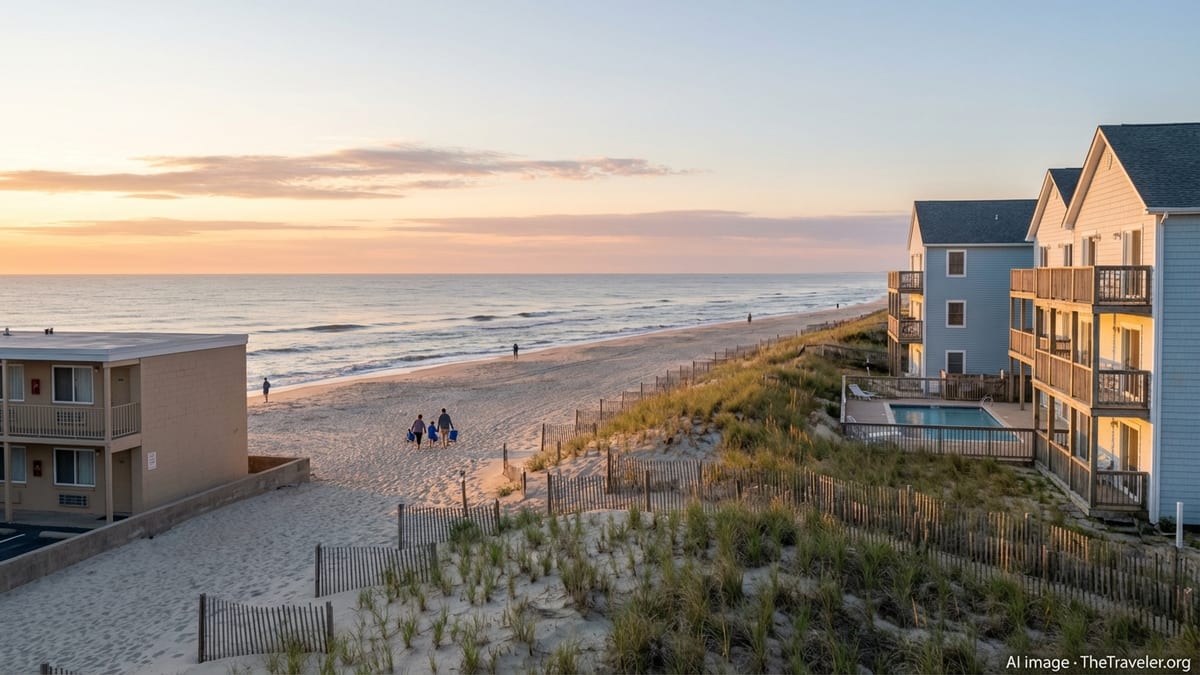
Rehoboth Beach is often described as the nation’s summer capital, drawing visitors with its one mile wooden boardwalk, independent shops, and thriving dining scene. Lodging in and around town ranges from vintage motor inns and family run beach motels to contemporary hotels with pools and partial ocean views. Staying within walking distance of the boardwalk is a major draw, particularly for families who want to minimize driving and parking, but it also tends to carry the highest summer rates.
Many of Rehoboth’s midrange hotels and inns sit a few blocks inland from the sand, where prices can be more approachable while still keeping you close enough to stroll to the beach or restaurants. These properties often offer a mix of standard rooms and larger suites, sometimes with kitchenettes that help stretch a travel budget over a longer stay. Some older motels have been refreshed with updated decor and small design touches while keeping an informal, beach town personality.
Just to the south, Dewey Beach has its own compact strip of hotels, motels, and seasonal rentals tucked between the ocean and Rehoboth Bay. Known for its relaxed shoreline and lively summer nightlife, Dewey tends to attract younger visitors and groups of friends, though families also appreciate its walkable streets and easy access to both bay and ocean activities. Accommodations lean toward midrange, with a few simple motels that can work well for travelers focused on days in the sun rather than high end amenities.
For travelers watching their spending, shoulder seasons in Rehoboth and Dewey can deliver much better value than peak summer weeks. Visiting in late spring or early fall often means lower nightly rates, less crowded boardwalks, and more flexible minimum stay requirements. Checking for weekday specials, last minute deals, and basic rooms in older properties can help keep a beach getaway within reach without sacrificing the central locations that make these towns so appealing.
Lewes, Bethany, and Quieter Beach Towns: Inns, Cottages, and Family Favorites
North of Rehoboth, the historic town of Lewes offers a softer, more residential take on Delaware’s coastal experience. Here, you will find restored inns, small hotels, and classic bed and breakfasts housed in centuries old buildings or Victorian homes. Rooms often carry a sense of place, with period details, porches, and shared common spaces. These properties tend to suit couples and travelers who value character and walkable streets lined with shops, cafes, and historic sites, as well as access to nearby bay and ocean beaches.
Vacation rentals play a prominent role in and around Lewes, from compact cottages near the town center to larger homes closer to Cape Henlopen State Park. Renting a house or apartment can be cost effective for families or small groups, particularly when split across several travelers. While prices rise in summer, staying slightly inland or choosing properties a short drive from the beach can keep nightly costs competitive, especially outside major holiday weeks.
Farther south, Bethany Beach blends a peaceful, family focused boardwalk with a selection of low to midrise hotels, condominiums, and single family rentals. The mood is generally quieter than Rehoboth, and many visitors return year after year to the same properties or neighborhoods. Modest motels and condominium style suites near the main avenues can be especially convenient for families who want kitchen facilities, on site pools, and easy access to lifeguarded sections of beach.
Between and beyond the larger resort towns sit smaller communities and stretches of coastline that appeal to travelers seeking privacy and a slower pace. Areas near Broadkill Beach, South Bethany, and Fenwick Island State Park lean heavily on rental homes, cottages, and a handful of low key motels. These stays often emphasize natural surroundings and simple comforts over full service amenities, and they can be very good value for visitors who prioritize space, quiet, and access to wildlife refuges and state park beaches.
State Parks, Camping, and Rustic Retreats: Best Options for Tight Budgets
For travelers who are comfortable trading traditional hotel conveniences for fresh air and campfires, Delaware’s state parks provide some of the most budget friendly and scenic places to stay in the state. Along the coast, parks such as Delaware Seashore and Cape Henlopen offer established campgrounds that can accommodate both tents and recreational vehicles, placing guests within easy reach of beaches, fishing piers, and trail networks. These sites typically provide basic facilities such as restrooms, showers, and picnic areas, and reservations are strongly recommended in the warmer months.
Inland, smaller parks near bays and rivers, including areas around Holts Landing and other recreation sites, give campers quiet alternatives away from the busiest resort corridors. These settings are well suited to travelers who prioritize kayaking, birdwatching, and stargazing over nightlife and restaurant hopping. Nightly camping fees tend to be a fraction of what a hotel room costs during peak season at the beach, which can significantly reduce the overall price of a coastal vacation.
Rustic cabins and group lodges are available in select park locations, offering a middle ground between tent camping and traditional hotels. These structures usually provide solid walls, simple beds, and sometimes small kitchen areas, while still relying on shared bathrooms or minimal services. They are popular with youth groups, extended families, and friends planning reunions or outdoor focused weekends.
Because conditions at campgrounds and park lodging can change based on weather, maintenance, and seasonal staffing, it is wise to confirm current facility details, required permits, and any restrictions well before arrival. Packing appropriate gear, from insect repellent to extra layers for cool coastal evenings, will help ensure that a budget minded stay in Delaware’s parks feels comfortable and rewarding rather than spartan.
Luxury and Boutique Stays: Special Occasion Nights in a Small State
While Delaware is often associated with practicality and modest price points, it does offer a limited but appealing set of luxury and boutique accommodations for travelers planning a special occasion. In Wilmington and the surrounding Brandywine Valley, select hotels and historic inns emphasize spacious rooms, attentive service, and refined common areas. Guests might find features such as polished lobby bars, well regarded restaurants on site, and art collections that connect the property to the region’s cultural heritage.
Along the coast, a handful of higher end hotels and inns in Rehoboth, Lewes, and nearby communities cater to guests who want more design driven interiors, upgraded bedding, and extras such as rooftop decks or spa style bathrooms. These properties often sit close to the beach or town centers and may bundle parking, breakfast, and beach access into their nightly rates. During the height of summer and on popular holiday weekends, demand for these rooms can be high, so booking well in advance is important.
For those willing to spend more on space and privacy, premium vacation rentals and larger homes scattered along the Delaware shoreline can function as private retreats. Many feature multiple bedrooms, outdoor living spaces, and direct or nearby access to the sand. These homes are typically most cost effective when occupied by extended families or groups of friends who can divide the overall cost, though cleaning fees and seasonal pricing are important to consider.
Travelers seeking upscale experiences on a moderate budget can sometimes find success in shoulder seasons, when luxury properties may offer packages, midweek discounts, or reduced minimum stay requirements. Combining those offers with flexible dates and a willingness to accept a room type slightly below the top tier can make a taste of Delaware’s higher end hospitality more accessible.
The Takeaway
Delaware’s small size belies the variety of ways you can stay within its borders. From modern riverfront hotels in Wilmington to campus friendly chains in Newark, from family suites in Bethany Beach to campsites within walking distance of the ocean, the state supports an unusually broad spectrum of budgets and travel styles. The most important decision is not whether to choose city or shore, but how you want to balance convenience, character, and cost.
In summer, when the coastal towns swell with visitors, planning ahead makes the biggest difference. Booking early, remaining flexible about exact locations, and considering inland or state park alternatives can free up funds for dining, tours, and activities. In the cooler months, those same beach hotels and historic inns become surprisingly affordable, turning Delaware into an appealing option for quiet getaways and long weekend explorations.
Whatever your budget, Delaware rewards travelers who match their accommodations to the pace of trip they imagine. A downtown hotel keeps you close to art galleries and restaurants, a boardwalk motel lets you wake up steps from the sand, and a simple campsite opens the door to sunrise walks and night skies full of stars. With a bit of planning and realistic expectations, you can find a place to stay that feels right sized for both your wallet and your sense of adventure.
FAQ
Q1. What is the most budget friendly area to stay in Delaware during summer?
The most budget friendly areas in summer are usually inland towns and state park campgrounds, which can cost far less than beachfront hotels during peak season.
Q2. When are Delaware beach hotels typically the most affordable?
Beach hotels are generally most affordable in the shoulder seasons, especially late spring and early fall, and on midweek nights outside school holidays.
Q3. Is it realistic to stay in Wilmington and visit the beaches as day trips?
It is possible, but travel times and traffic on peak summer weekends can be significant, so it works best for occasional day trips rather than daily commuting.
Q4. Are vacation rentals or hotels cheaper for families in Delaware?
For small families on short stays, hotels can be simpler. For larger groups or weeklong trips, a vacation rental often becomes more cost effective when the cost is shared.
Q5. Do Delaware beach towns require minimum stays in summer?
Many rentals and some hotels in beach towns set minimum stay requirements in peak season, commonly multiple nights, so it is important to check policies before booking.
Q6. How far in advance should I book for popular summer weekends?
For peak summer weekends and holidays, booking several months in advance is advisable, especially for beachfront rooms, campgrounds, and larger vacation homes.
Q7. Can I find pet friendly accommodations near Delaware beaches?
Yes, several hotels, inns, and rentals near the beaches accept pets, but rules, fees, and seasonal beach restrictions vary and should be confirmed before arrival.
Q8. Are there good options for business travelers outside Wilmington?
Yes, Newark, Dover, and several highway interchanges have midscale chain hotels with business friendly amenities such as Wi Fi, desks, and meeting rooms.
Q9. Is camping in Delaware state parks suitable for first time campers?
Many state park campgrounds offer established sites, basic facilities, and ranger support, which makes them approachable for first time or occasional campers.
Q10. Do Delaware hotels usually include parking in the room rate?
Outside the most crowded beach zones, many hotels include parking, but in central beach areas and cities there may be daily fees, so checking ahead is wise.