

Alaska is a destination that changes character dramatically with each season. Long summer days, electric fall colors, deep winter nights and a brief, bright spring all offer very different experiences. Understanding what each season brings in terms of weather, wildlife, daylight and access can help you time your trip for exactly the Alaska you want to see.
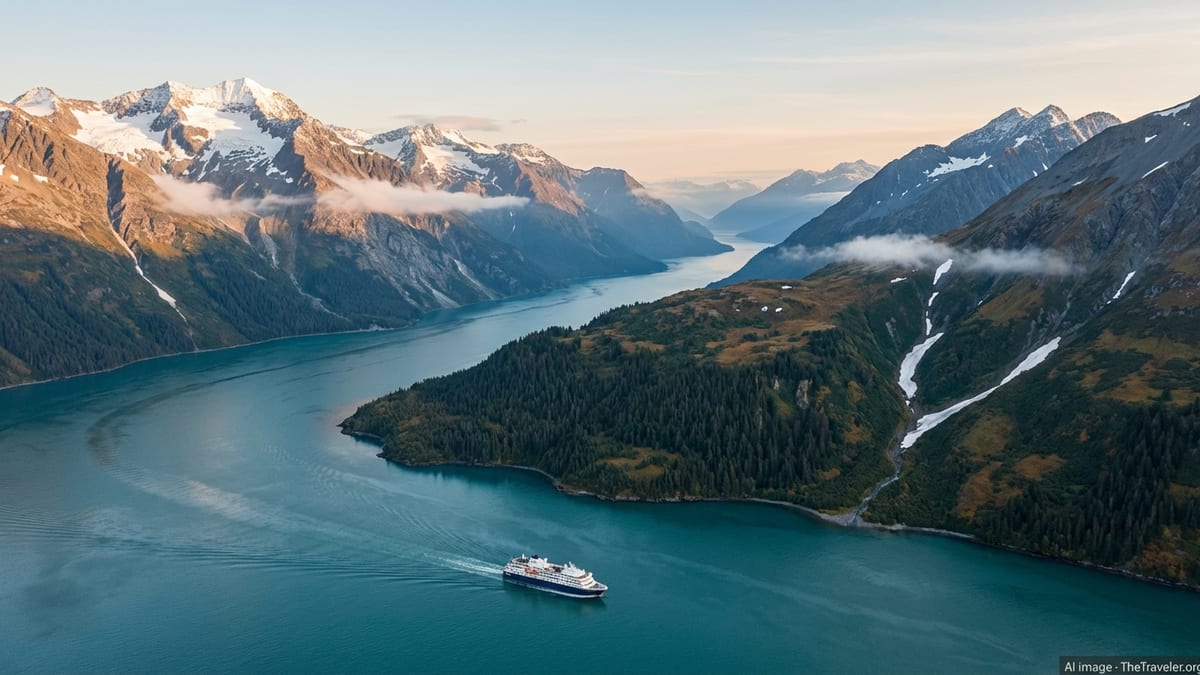
Understanding Alaska’s Seasons and Regions
Choosing the best time to visit Alaska starts with two basic questions: what do you most want to experience, and where in this vast state do you plan to go. Summer from roughly mid May to mid September is the most popular period, with relatively mild temperatures, long daylight hours and the widest range of tours and services available. Within that window, mid June to mid July is often considered the peak for warm weather, open trails, wildlife viewing and cruise options, especially around Anchorage, the Inside Passage and Denali.
Outside summer, Alaska shifts quickly. Spring and fall are short but rewarding shoulder seasons, especially in May and September, when there are fewer visitors, some price breaks and good chances to see wildlife and seasonal color. Winter, from late October through March, brings short days and cold temperatures, but it also offers northern lights, snow sports and a quieter, more local feel, particularly around Fairbanks and interior communities.
Regional differences matter. Coastal Southeast Alaska, including Juneau and Ketchikan, stays milder and wetter year round, while interior locations such as Fairbanks and Denali have greater temperature swings and clearer winter skies. Southcentral Alaska around Anchorage and the Kenai Peninsula sits between those patterns, with relatively accessible mountains, fjords and road trips that look and feel different in each season.
Because conditions vary so much, there is no single “best” time that suits every traveler. Instead, think in terms of tradeoffs. Summer offers comfort, access and energy. The shoulder seasons balance value and atmosphere. Winter delivers northern lights and snow. Matching your timing to your priorities will give you the most satisfying Alaska experience.
Summer in Alaska (June to August): Peak Season Rewards
Summer is the classic time to visit Alaska, especially if this is your first trip. By June, snow has largely receded from lower elevations, rivers run high with snowmelt, and national parks such as Denali and Kenai Fjords are fully open. Daytime temperatures in many popular areas often reach the 60s and sometimes low 70s Fahrenheit, though cooler, wetter conditions are common along the Southeast coast. Long days are a defining feature. Around the summer solstice in late June, Anchorage sees close to 19 hours of daylight, with even longer stretches farther north.
Wildlife viewing is excellent throughout the summer months. Bears begin congregating along rivers as salmon runs intensify, especially from late June into August. Humpback whales, orcas and other marine mammals feed in coastal waters from May through September, with particularly consistent sightings in mid summer. On land, moose, Dall sheep and caribou are more active and visible, and coastal cliffs host nesting seabirds. While no sighting is guaranteed, many operators design their summer itineraries around peak wildlife behavior.
Summer is also prime time for hiking, kayaking, glacier viewing and flightseeing. Lower elevation trails near Anchorage, Juneau and Seward typically clear of snow by late May or early June and remain in good condition into early fall. Glacier cruises and day boats run regular schedules through the Inside Passage, Prince William Sound and Kenai Fjords National Park, often combining ice, wildlife and dramatic mountain scenery in a single outing. Longer days allow you to pack in multiple activities while still having time to simply sit and watch the light linger on the landscape late into the evening.
The main tradeoffs in summer are cost and crowds. June, July and August bring the highest visitor numbers, particularly to port towns on popular cruise routes and gateways such as Anchorage and Fairbanks. Accommodations and guided tours book up far in advance, and prices are generally at their peak. If you prioritize warm temperatures, maximum daylight and the widest array of activities, though, this is when Alaska feels most alive.
Shoulder Seasons (May and September): Value, Color and Quieter Trails
For travelers seeking a balance between good conditions and fewer people, the shoulder seasons of May and September can be especially appealing. In May, Alaska is shifting from spring into early summer. Snow still lingers on mountain peaks, rivers and waterfalls run high, and leaves and wildflowers are emerging. Temperatures are often a bit cooler than in mid summer, but many days are bright and relatively dry in Southcentral and Interior regions. Visitor numbers are lower, which can translate into more availability and occasional price breaks on lodging, tours and cruises.
Wildlife can be surprisingly active in May. Many whales have already arrived in coastal waters, migratory birds are moving through, and in some areas you may see black bears emerging from hibernation and moose with new calves. Some high alpine trails may still hold snow, but lower elevation hikes and scenic drives are typically open, offering views of fresh greenery against still snowy peaks. Early cruise departures begin to operate in the Inside Passage and Gulf of Alaska, often with more space on deck and in ports than you will find later in the season.
September is the other main shoulder month and has a very different character. By early September, fall colors begin to sweep across tundra and hillsides, especially in the Interior and along major road corridors. The mix of gold, rust and crimson across open country can be striking, and many visitors come specifically for these short lived displays. Wildlife is still active, with bears often feeding heavily in preparation for winter and caribou starting their seasonal movements. Coastal waters can remain good for whale watching, and cooler temperatures bring noticeably fewer insects.
At the same time, September marks the gentle wind down of the main tourist season. Some seasonal businesses, such as smaller lodges or excursion companies, begin to close or reduce hours as the month progresses. Weather can be more variable, with a higher chance of rain in some coastal areas and the possibility of early snow at higher elevations. Days are shorter, but by mid to late September darkness after nightfall brings the first realistic chances of seeing the northern lights in places such as Fairbanks or along less developed stretches of road. For travelers who do not mind cooler temperatures and a bit of unpredictability, the rewards include a more relaxed pace and a sense of Alaska transitioning into its long winter.
Winter in Alaska (October to March): Northern Lights and Snow Country
Winter in Alaska is a completely different experience from the busy summer months. From late October through March, temperatures drop, daylight shrinks, and much of the seasonal visitor infrastructure in coastal cruise ports closes. In exchange, the state offers clear, starry nights, northern lights potential, deep snow and a quieter atmosphere that many travelers find deeply rewarding. This period is particularly suited to those interested in aurora viewing, dog sledding, snowmobiling, skiing or simply witnessing the landscape in its stark, frozen beauty.
The best chances to see the aurora borealis typically fall between late August and early April, when nights are long enough and skies can be dark and clear. Many travelers target mid winter months such as February and March, when there is a combination of extended darkness, reasonably reliable snow conditions and, in some areas, slightly lengthening days that make daytime activities more comfortable. Interior regions around Fairbanks are especially well known for frequent northern lights displays, thanks to their latitude and tendency toward colder, clearer weather compared with coastal locations.
Winter activities vary by region. Near Anchorage, visitors can combine city comforts with access to groomed ski trails, downhill ski areas, frozen waterfalls and mountain valleys. In Fairbanks and surrounding areas, dog sledding, ice sculpting events and hot springs visits are popular. Farther south, along the Kenai Peninsula and coastal fjords, sea ice and snow create a very different mood from summer, and some outfitters offer small scale winter wildlife and glacier viewing trips when conditions allow. Because days are short, particularly around the December solstice, it is important to set realistic expectations for how much you can accomplish in a single day.
Travel logistics in winter require more preparation. Temperatures can drop well below freezing, especially away from the coast, and roads may be icy or snow covered. Some remote lodges, gravel roads and high mountain passes are closed or difficult to access. Scheduled flights and major highways, however, continue to operate year round, and larger communities remain well supplied. With appropriate clothing, flexible timing and an interest in winter culture, this season offers a side of Alaska that relatively few summer visitors ever see.
Spring and Early Summer (April to Early June): Awakening Landscapes
Although many people mentally group Alaska travel into summer and winter, the short spring season from April into early June is worth considering in its own right. In much of the state, April can still feel wintry, especially in the Interior, but daylight increases rapidly and snow begins to melt from lower elevations. By late April and early May, rivers surge with snowmelt, migratory birds arrive, and brown ground quickly turns green in Southcentral and Southeast regions.
For wildlife enthusiasts, early season travel can be rewarding. Moose and Dall sheep often move to lower, more visible slopes to feed on new growth, and many songbirds, waterfowl and shorebirds use Alaska as a stopover or nesting ground. In some areas, black bears begin to emerge from hibernation, while gray whales migrate up the coast in early spring. The combination of lingering snow on peaks and fresh foliage in valleys creates striking contrasts, and the air often feels crisp and clear after the long winter.
In terms of activities, April and early May provide a transitional mix. In some locations, it may still be possible to ski at higher elevations while lowland trails start to open for hiking and biking. Small ship and expedition style cruises may begin operating in late April, offering an early look at fjords, glaciers and islands before the main wave of summer visitors arrives. Some national park facilities and remote lodges remain closed until mid May or early June, so it is important to confirm seasonal opening dates if you are planning a more ambitious itinerary.
Weather in spring can be variable. Temperatures tend to be cooler than later in summer, and there can be a mix of rain, snow and bright sun, sometimes in the same week. On the other hand, early season often sees fewer mosquitoes, especially before sustained warmth arrives, and some travelers appreciate the feeling of watching Alaska wake up from winter in relative quiet. If you are flexible and comfortable with changing conditions, spring can feel like having many of Alaska’s classic landscapes almost to yourself.
Fall (Late August to October): Color, Calm and Early Auroras
Fall in Alaska moves quickly but leaves a strong impression. By late August, tundra and alpine slopes above treeline start to turn shades of red, orange and gold. Through September, and sometimes into early October depending on region and elevation, these colors spread across valleys and hillsides, creating striking scenes along major drives such as the Parks Highway between Anchorage and Fairbanks or routes through the Denali region. Forested areas shift more slowly, but the combination of changing leaves, low angled light and cooler air makes this a favorite season for photographers.
Wildlife behavior also changes in fall. Bears continue to forage intensely as salmon runs taper off and berry bushes and other food sources reach their peak. Caribou and moose may be more visible during their respective rutting seasons in some areas, and waterfowl gather in larger groups as they prepare to migrate. Coastal waters can still host whales feeding up before their own southbound journeys, and the overall pace in popular destinations tends to be calmer after the busiest summer months pass.
Another key attraction of fall is the return of darkness. By the second half of September, many areas of Alaska have enough night hours for northern lights viewing when conditions are right. While the aurora is not as consistently visible as in the coldest winter months, travelers who come for fall colors and shoulder season prices sometimes enjoy the bonus of seeing the sky light up. Nights can be crisp, and higher elevations may see dustings of early snow, adding to the sense that winter is close.
Visitor services in fall depend heavily on timing and location. Late August in many ways still feels like summer, especially along the coast and in cruise ports. By late September and into October, however, some seasonal operations shut down or shift to limited schedules. Road trips remain practical on major highways, but remote access may be constrained by early storms or closures. For those who appreciate a slightly cooler, moodier version of Alaska, fall provides rich atmosphere and fewer crowds, with the understanding that weather can be changeable.
Matching Your Priorities to the Right Season
Because Alaska is so seasonally driven, the most effective way to choose timing is to start with your top priorities. If you want the broadest array of activities, from hiking and kayaking to scenic flights and multi day cruises, aim for the core summer months of June, July and August, with many travelers favoring mid June to mid July for a blend of warmth, long days and active wildlife. Families with school age children often gravitate to this peak period for scheduling reasons and because most kid friendly excursions and programs are in full swing.
If value and quieter experiences matter more than absolute warmth, consider May or September. In May you can catch early wildflowers, rushing waterfalls and newly arrived wildlife, while in September you trade some daylight and predictability for fall colors, cooler temperatures and the first chances at northern lights. Travelers particularly interested in photography, especially of landscapes, often like these shoulder months for their lower sun angles and long, soft evening light.
For aurora focused trips, the best overall window tends to be from late August through March, when darkness is sufficient and solar activity can be seen. Many visitors choose February or March to balance high aurora potential with enough daytime for snow based activities and somewhat more moderate cold than mid winter. If your dream trip centers on dog sledding, ice sculptures, winter festivals or simply experiencing a real northern winter, this is the time to come.
It is also helpful to consider your comfort with weather variability. Summer is generally mild but can still bring rain and cool days, particularly along the coast. Shoulder seasons and winter come with greater uncertainty and the possibility of storms, but they also deliver some of Alaska’s most memorable moods. By thinking through what you most hope to see and how flexible you can be, you can choose a season that turns Alaska’s changing conditions into part of the adventure.
Planning Tips by Season and Region
Once you have a sense of which season fits your goals, a few practical planning tips can help you make the most of your timing. In summer, booking early is important, especially for popular national parks, small lodges, rental cars and cruise itineraries. Many travelers secure key reservations six to twelve months in advance for trips in June, July or August. Packing layers is essential even in the warmest months, since temperatures can shift between sunny afternoons, chilly evenings and cooler conditions on boats or near glaciers.
During the shoulder seasons, flexibility is particularly valuable. In May and September, some excursions may not operate daily, and weather can influence last minute openings or cancellations. Building an itinerary with a mix of prebooked highlights and open time gives you room to adjust for conditions. It is also worth checking which seasonal roads, park shuttles or visitor centers have specific opening and closing dates, especially around Denali and other interior parks where snow lingers longer.
For winter and early spring visits, preparation around daylight and cold is key. Understanding local sunrise and sunset times will help you schedule activities and manage expectations for how much you can reasonably do in a day. Bringing or renting appropriate winter clothing, including insulated boots, gloves and face protection, can make the difference between a comfortable aurora outing and a short, chilly attempt. Many local operators provide gear or detailed packing lists designed for their specific activities and regions.
Regional pairing is another helpful strategy. In summer, for example, many itineraries combine Anchorage and the Kenai Peninsula with a rail or road journey to Denali and a cruise through the Inside Passage. In winter, travelers might focus on Anchorage and Fairbanks, linking them by train or air to experience both coastal mountains and interior aurora viewing. No matter the season, thinking about how daylight, weather and wildlife change across regions can turn a good itinerary into a great one.
The Takeaway
There is no single best time to visit Alaska for everyone, but there is likely a best time for you. Summer from June to August offers the most straightforward experience, with long days, moderate temperatures and maximum access to parks, cruises and outdoor adventures. The shoulder seasons of May and September trade a bit of warmth and predictability for quieter trails, changing colors and, in the case of September, early chances to see the northern lights.
Winter and the fringes of spring provide something very different: dark, starry nights, snowbound landscapes, and a deeper connection to everyday life in northern communities. These seasons ask more flexibility from travelers but reward them with aurora displays, winter sports and a sense of space that is hard to find in busier months. Across all seasons, Alaska’s size and variety mean you can tailor your trip to your interests, whether that is wildlife, photography, outdoor adventure, cultural experiences or simply standing quietly in a vast landscape.
By understanding how daylight, weather, wildlife and visitor patterns shift throughout the year, you can choose the season that best matches your priorities and travel style. With thoughtful planning and realistic expectations, any time of year can be the right time to experience Alaska, as long as you arrive ready for the particular version of the state that season reveals.
FAQ
Q1. What is the best month overall to visit Alaska?
The best overall month for many travelers is often from mid June to mid July, when weather is relatively warm, days are very long and most tours and parks are fully open.
Q2. When is the best time to see the northern lights in Alaska?
The best time to see the northern lights is generally from late August through early April, with many visitors targeting February and March for a balance of darkness, snow conditions and usable daylight.
Q3. Which months are best for an Alaska cruise?
The main Alaska cruise season runs from late April through early October, with peak conditions and the widest choice of sailings typically falling between June and August.
Q4. When is the best time for wildlife viewing in Alaska?
Wildlife viewing is strong from May through September, with bears and salmon activity often peaking in mid to late summer and whales commonly seen in coastal waters throughout most of that period.
Q5. What is the warmest time of year in Alaska?
The warmest period is usually from late June through early August, when daytime highs in many popular regions often reach the 60s and occasionally the low 70s Fahrenheit.
Q6. Is May a good time to visit Alaska?
Yes, May can be an excellent time, offering emerging greenery, active wildlife, relatively long days, fewer crowds and often somewhat lower prices than in peak summer.
Q7. Is September too late to visit Alaska?
September is not too late, but it feels different from midsummer, with cooler temperatures, changing leaves, fewer insects, some reduced services and increasing chances to see the northern lights.
Q8. When is the best time to visit Alaska with kids?
Families often prefer June, July and August, when school is out, weather is milder, days are long and the widest range of kid friendly tours, wildlife trips and outdoor activities is available.
Q9. What is the best time to visit Alaska to avoid crowds?
To avoid the largest crowds, consider traveling in May, early June or September, when popular areas are generally quieter yet many core services and attractions remain open.
Q10. When should I visit Alaska if I want both summer activities and a chance at auroras?
If you want a mix of summer style activities and a reasonable chance of seeing the aurora, late August into mid September offers a practical compromise of lingering warmth, lighter crowds and returning darkness.