

Delaware may be one of the smallest states in the United States, but its seasons are surprisingly distinct. From humid summer days on Atlantic beaches to crisp autumn festivals and peaceful winter towns, the calendar you choose will shape your entire experience. Understanding how weather, crowds and major events shift throughout the year is the key to planning a rewarding trip, whether you are headed for Wilmington’s riverfront, colonial towns or the wide sands of Rehoboth, Dewey and Bethany Beach.
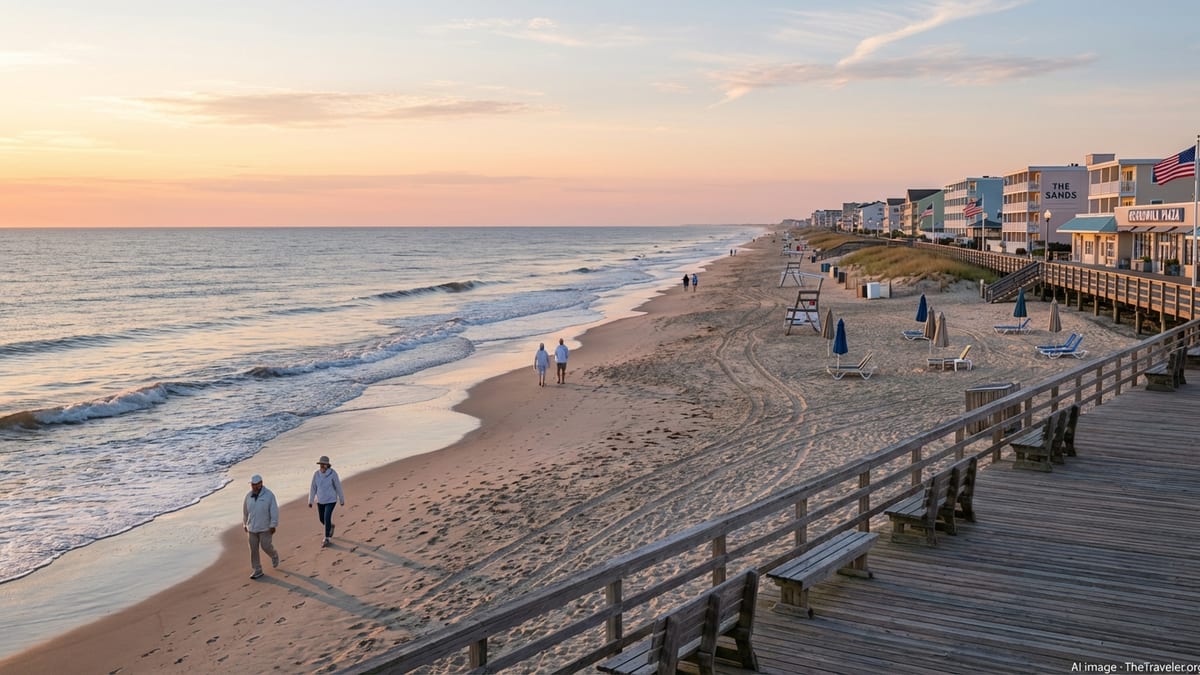
Delaware’s Climate in a Nutshell
Delaware’s climate is broadly humid and temperate, influenced by both the Atlantic Ocean and the Mid Atlantic interior. Average annual temperatures hover in the low to mid 50s Fahrenheit, with warm summers, cool winters and four clear seasons. In northern cities such as Wilmington and Delaware City, typical July highs sit in the mid 80s Fahrenheit, while January highs tend to reach the upper 30s to low 40s. Southern coastal areas, including the popular beach towns of Sussex County, usually run a couple of degrees warmer, especially in late spring and autumn.
Precipitation is spread fairly evenly through the year, with a slight peak in late summer. August is often the rainiest month, while February tends to be drier overall. Rain usually arrives in the form of passing fronts or afternoon thunderstorms rather than days of steady drizzle. Snowfall is possible in winter, particularly in the north, but long lasting snow cover is uncommon. Along the coast, winter can feel raw because of damp air and breezes off the ocean, even when temperatures sit just above freezing.
Because the state is low lying and coastal, visitors should be aware of summer thunderstorms and the potential for tropical systems during hurricane season, which officially runs from June through November. Direct hits are relatively rare, yet late summer and early autumn storms can bring heavy rain, gusty winds and rough surf. In practical terms, that means summer beach plans sometimes require flexibility, but most vacation days still deliver plenty of sunshine and warm water.
Overall, Delaware’s climate favors outdoor travel from about April into early November. The sweet spot for many visitors falls in late spring and autumn, when comfortable daytime temperatures and manageable humidity align with colorful landscapes and a packed festival calendar.
Spring: Blossoms, Mild Days and Emerging Events
Spring in Delaware runs roughly from March through May and marks the beginning of the main travel season. March can still feel chilly, with average highs in northern Delaware around the low 50s and nights that often drop below freezing. By April, however, high temperatures commonly reach the low 60s, and May often settles into the low 70s with noticeably greener landscapes and longer days. This transition makes spring ideal for travelers who prioritize walking tours, gardens and outdoor history sites over beach swimming.
Early spring brings a sense of awakening to Wilmington’s riverfront, Newark’s college town streets and the colonial neighborhoods of New Castle and Dover. Sidewalk cafes begin to open, gardens at historic estates come back to life, and state parks such as Cape Henlopen and Brandywine Creek emerge from winter dormancy. Trails may still be muddy in March, but by April and May conditions are more inviting for hiking, bird watching and cycling, without the intense summer humidity.
Spring is also when Delaware’s festival calendar begins to grow. Ethnic celebrations and food festivals in Wilmington, including long running Italian and Greek festivals, usually appear as the weather warms in late May and June. Across the state, farmers markets and small town events restart, tying in with the first local crops and flowers. While these gatherings rarely fill hotel rooms months in advance, they can increase weekend demand, so advance reservations are wise in popular areas.
For visitors seeking value, spring often provides lower lodging rates than peak summer, especially at the coast. Beach towns remain relatively quiet on weekdays through much of May, with cool but pleasant boardwalk strolls, off season menus in local restaurants and easier parking. The ocean is still cold for long swims, but the trade off is a calmer atmosphere and far fewer crowds than you will encounter just a month or two later.
Summer: Beach Season at its Busiest
Summer, from June through August, is the classic time to visit Delaware’s beaches and also the busiest. Average high temperatures in June already reach around 80 degrees in the north and low 80s along the coast, climbing into the mid 80s by July. Nights are warm, often staying in the upper 60s to low 70s. Humidity is a defining feature of Delaware summers, making heat feel more intense during midday hours, particularly away from the water where breezes are weaker.
On the positive side, the Atlantic Ocean off Rehoboth, Dewey and Bethany Beach warms significantly by late June and usually remains comfortable for swimming through September. Lifeguards are on duty at major beaches during the high season, boardwalks are fully open, and seasonal businesses from bike rentals to water sport outfitters operate at full capacity. Families flock to the shore in July and early August, filling hotels, rentals and campgrounds and creating the classic East Coast beach town atmosphere.
Summer also brings a full slate of events. The Delaware State Fair typically runs for about ten days in late July in Harrington, combining agricultural exhibits, midway rides, concerts and food stands. In Wilmington and Newark, outdoor concert series, riverfront fireworks displays around Independence Day and community festivals draw both residents and visitors. At the same time, smaller beach events, arts shows and live music nights add to the festive feeling along the coast.
The trade offs are higher prices and heavier traffic. Lodging rates along the beaches reach their annual peak between late June and mid August, and weekend congestion is common on routes leading to the shore. Afternoon thunderstorms occur on many hot days, briefly interrupting beach time with downpours, lightning and gusty winds. Travelers who can schedule morning activities and remain flexible when dark clouds build will cope best. For a slightly calmer experience, consider arriving in early June or the last week of August, when families begin to orient around school schedules and crowds can thin marginally.
Autumn: Shoulder Season, Sea Witch and Fall Color
Autumn is often considered the best overall time to visit Delaware, especially for travelers who want a mix of warm weather, fewer crowds and unique events. September still feels like an extension of summer, with average highs in the mid to upper 70s and ocean temperatures that remain comfortable for swimming. By October, daytime highs typically sit in the mid 60s, evenings cool to the 40s and 50s, and humidity drops, making outdoor exploration noticeably more pleasant.
One of the biggest advantages of autumn is the shift in pricing and atmosphere at the coast. After Labor Day, many beach accommodations reduce their rates, sometimes significantly, while boardwalk businesses continue to operate on reduced but still convenient schedules. Weekdays in September and early October can be especially appealing, offering nearly empty stretches of sand, warm sun and pleasantly brisk nights. Farther inland, fall foliage usually peaks from mid to late October, painting state parks and countryside roads in shades of red and gold.
Fall is also Delaware’s richest season for festivals. The Sea Witch Festival in Rehoboth Beach, typically held over a weekend near the end of October, has grown into one of the state’s signature events. It blends a Halloween parade, costumed pets, fiddlers, craft vendors and family friendly activities along the oceanfront. Elsewhere, harvest festivals, pumpkin events and heritage fairs appear throughout September and October, particularly in the small towns and rural communities of Kent and Sussex counties, as well as around Wilmington.
Weather in autumn can still be influenced by tropical systems, especially in September and early October, so travelers should keep an eye on forecasts. However, many years pass with only glancing impacts from offshore storms and a long run of clear, crisp days. For most visitors who want to balance outdoor comfort, interesting events and reasonable costs, late September through late October emerges as the standout window to experience Delaware.
Winter: Quiet Towns, Coastal Calm and Occasional Snow
Winter in Delaware, spanning roughly December through February, is the state’s quietest travel period. Average high temperatures in northern areas hover in the upper 30s to mid 40s, with overnight lows commonly dipping into the 20s. Along the coast, daytime temperatures are often a few degrees milder but can still feel brisk because of wind and damp air. Snow and freezing rain occur periodically, especially in January and February, yet many storms are light and melt within a few days.
For most travelers, winter is not about beaches and boardwalk rides but about peaceful escapes and off season value. Beach towns empty out, creating a completely different atmosphere than the lively scenes of July. Some hotels and restaurants close or limit hours, yet many remain open year round, particularly in larger communities like Rehoboth Beach and Lewes. Visitors willing to bundle up can enjoy long, quiet walks on the sand, uncrowded shops and easy parking, all at significantly reduced lodging rates.
Inland, winter highlights center on museums, breweries, galleries and cultural venues in cities like Wilmington, Newark and Dover. Holiday displays, concerts and small town parades brighten the weeks between late November and early January. While the state does not have major ski resorts or heavy winter sports infrastructure, nature lovers may find bird watching along the coast rewarding, as migratory species use the Delaware Bay and coastal wetlands as important stopovers.
Potential downsides of winter include the risk of icy roads and the occasional stronger coastal storm that can bring high winds and heavy precipitation. Because daylight is limited, sightseeing hours shrink, and outdoor activities can feel compressed. Travelers who choose winter should build flexibility into their itineraries, allowing time for indoor alternatives if a storm passes through. For those who enjoy solitude and value driven travel, however, winter can offer a surprisingly appealing way to experience Delaware without crowds.
Month by Month: Choosing the Best Time for Your Trip
While seasons provide a broad framework, looking at Delaware month by month helps fine tune the timing of a visit. March is still transitional, with chilly days and the chance of late snow, best suited to budget conscious travelers focused on indoor attractions and early spring scenery. April brings noticeably milder weather and the first reliable outdoor days, making it attractive for city breaks and garden visits. May combines comfortable temperatures with increasingly green landscapes and is arguably the best spring month for general touring.
June is something of a bridge month, especially in its first half. Temperatures are warm, humidity is rising and beach operations ramp up, yet some early June weekdays still avoid peak season crowds. By July, Delaware is firmly in high summer, with hot, humid conditions and very busy beaches. August remains hot and humid, but some travelers prefer it because ocean water reaches its warmest levels and certain late August weeks can be slightly less crowded as schools prepare to reopen.
September is prime time for many visitors. Weather is often reliably warm, the ocean is still inviting and school schedules reduce the number of family vacationers, especially midweek. October continues the favorable pattern with cooler, crisp days, fall foliage inland and events such as the Sea Witch Festival at the coast, ideal for travelers who enjoy both small town charm and seasonal celebrations. November straddles autumn and early winter, with cooler days and a calmer atmosphere that appeals to those seeking quiet city or countryside escapes.
December, January and February form the winter low season. December can still feel festive thanks to holiday events and lights, particularly in Wilmington and the historic towns. January is usually the coldest and quietest month, with short days and a greater chance of wintry weather. February remains cool but begins to hint at the coming spring. For travelers who prioritize the lowest prices and do not mind layering up, any part of this winter stretch can deliver significant savings.
Aligning Weather and Events With Your Travel Style
The best time to visit Delaware ultimately depends on your priorities. Beach focused travelers who want lifeguarded swimming, buzzing boardwalks and full restaurant and nightlife options will gravitate toward late June through August. If you choose this window, planning six months or more in advance for popular weekends is wise, particularly for Rehoboth Beach, Dewey Beach and Bethany Beach, where demand is highest.
Travelers who care more about mild air, outdoor comfort and cultural experiences often fare better in spring or autumn. April, May, September and October are excellent choices for walking tours of Wilmington’s riverfront, exploring museums in Dover, or combining coastal scenery with day trips to historic sites and wildlife refuges. These months also intersect with many of the state’s most beloved festivals, including ethnic celebrations in Wilmington, harvest events across the countryside and the Sea Witch weekend at Rehoboth Beach.
Value seekers and those who prefer quiet surroundings might deliberately target the fringe months of March, early June, November and parts of winter. During these periods, lodging discounts are common, especially at the coast, and attractions are far less crowded. The trade off is a higher likelihood of cool or unsettled weather, shorter opening hours for some businesses and reduced event schedules. With flexible expectations and adaptable plans, these shoulder and off season windows can still yield memorable trips.
No matter when you visit, monitoring local forecasts in the days leading up to your trip is important. Delaware’s size makes it easy to pivot between the coast and inland destinations if weather conditions change. A stormy day at the beach can quickly become a museum or brewery day in Wilmington or Dover, while an unexpectedly warm autumn afternoon might inspire a spontaneous hike at Cape Henlopen or bike ride along the Junction and Breakwater Trail.
The Takeaway
Delaware’s compact size belies its seasonal variety. Summers bring classic Mid Atlantic beach energy, long daylight hours and a full calendar of fairs and festivals, along with high humidity, frequent thunderstorms and premium pricing. Spring and autumn offer milder weather, more breathable air and an appealing blend of cultural events, fall foliage and relaxed coastal towns. Winter, while cold and quiet, rewards travelers seeking solitude and exceptional value, especially in normally busy beach communities.
For most visitors, the standout windows are late April through early June and September through late October. These months balance comfortable temperatures, accessible outdoor activities, manageable crowds and a rich menu of events. Whether you plan to stroll cobbled streets in historic New Castle, sample craft beer in Wilmington, watch sunrise over the dunes at Cape Henlopen or join the whimsical Sea Witch celebrations in Rehoboth Beach, timing your trip thoughtfully can transform a simple getaway into a deeply satisfying experience.
FAQ
Q1. What is the best month to visit Delaware overall?
Many travelers find May, September and early October offer the best combination of pleasant temperatures, fewer crowds and reasonable prices, especially if you want both city sightseeing and time at the coast.
Q2. When is the best time to visit Delaware beaches for swimming?
The most reliable swimming conditions typically run from late June through early September, when daytime highs are in the 80s Fahrenheit and the Atlantic is comfortably warm.
Q3. Which months are least crowded in Delaware’s beach towns?
Beach towns are quietest from November through March, with another relatively calm period in early May and after Labor Day in September, particularly on weekdays.
Q4. When does fall foliage usually peak in Delaware?
Fall color generally peaks from mid to late October, varying slightly by year and location, with inland parks and rural areas often showing the most vivid displays.
Q5. What is the rainiest time of year in Delaware?
Rain is fairly evenly spread through the year, but late summer, especially August, tends to bring more frequent showers and thunderstorms along with higher humidity.
Q6. Is winter a good time to visit Delaware?
Winter is a good choice for travelers seeking very low prices and quiet towns. Expect cold temperatures, limited hours in some coastal businesses and occasional snow or ice.
Q7. When is the Sea Witch Festival in Rehoboth Beach?
The Sea Witch Festival is usually held over a weekend near the end of October, featuring a Halloween parade, costumes, live music and family activities by the ocean.
Q8. What is the hottest time of year in Delaware?
The hottest period typically runs from mid July into early August, when average highs reach the mid 80s Fahrenheit and humidity can make it feel even warmer.
Q9. When is the Delaware State Fair held?
The Delaware State Fair usually takes place over about ten days in late July in Harrington, combining agricultural exhibits, concerts, rides and classic fair food.
Q10. What is the best time to visit Delaware for lower prices?
For lower prices, consider November through March, as well as early spring and the weeks immediately after Labor Day, when lodging rates at the coast often drop significantly.