

Timing a trip to Greece is as important as choosing which island to sail to or which taverna to linger in. With hot, dry summers, mild winters and a tourism season that now stretches well beyond July and August, choosing the right month can mean the difference between breezy strolls through ancient ruins and shuffling through crowds under a blazing sun. For travelers who care most about good weather and fewer people, Greece’s sweet spots fall in spring and early autumn, with a few smart exceptions depending on where you want to go and what you hope to do.
Understanding Greece’s Seasons and Tourism Patterns
Greece has a classic Mediterranean climate, with long, sunny summers and relatively mild, wetter winters. From roughly June through August, daytime temperatures in popular areas such as Athens and the Cycladic islands often climb well into the 80s Fahrenheit and can spike higher during heatwaves. At the same time, this is when visitor numbers peak, especially in August, which is traditional holiday time for both Greeks and other Europeans. Hotels and ferries run at full tilt, nightlife districts hum late into the night, and the most photographed viewpoints can feel crowded from morning to sunset.
In contrast, the months from November to March are considered low season. Days are cooler and shorter, rain is more likely, and on many islands a noticeable portion of tourist infrastructure scales back or shuts entirely. Yet cities such as Athens and Thessaloniki continue to function year-round, and major archaeological sites and museums remain open, which makes winter an appealing option for travelers who prioritize culture over beaches and are willing to accept changeable weather in exchange for much smaller crowds.
Between those extremes sit Greece’s prized shoulder seasons: late spring and early autumn. Travel specialists and recent guides consistently highlight late April through June and September through October as the most balanced periods, when the weather is generally warm and settled but not oppressive, and crowd levels drop from their summer peak. Accommodation and flight prices tend to moderate as well, particularly outside school holiday weeks, offering better value without sacrificing atmosphere.
Because tourism patterns have lengthened in recent years, it is worth noting that some destinations, notably Athens, Crete and a few marquee islands, now stay busier into September than they did a decade ago. Even so, the overall rhythm remains clear: if your priorities are pleasant temperatures, the possibility of swimming, and fewer people at major sights, key planning windows cluster in late spring and early fall rather than in the heart of summer.
Spring in Greece: Blossoms, Cooler Days and Growing Energy
Spring in Greece, roughly from March through May, is increasingly recognized as the “smart traveler” season. As winter rains ease, hillsides and islands turn green, wildflowers blanket the countryside, and daytime temperatures steadily rise into comfortable ranges for outdoor exploration. By April, many regions enjoy sunny days in the upper 60s to 70s Fahrenheit, with evenings that can still be crisp enough for a light jacket. This combination is ideal for sightseeing on foot, whether that means climbing up to the Acropolis, wandering the lanes of Nafplio, or hiking in regions such as Meteora or the Pelion peninsula.
Crowd levels during spring are significantly lighter than in high summer, particularly before Greek Orthodox Easter, which typically falls in April or early May. After Easter, domestic travel and early-season visitors bring more life to beaches, cafes and ferries, but popular islands like Santorini and Mykonos are still far from their July and August intensity. For many first-time visitors who want to mix cultural highlights with a taste of island life, late April and May strike an especially good balance of accessible services, manageable crowds and increasingly reliable weather.
The main trade-off in spring is sea temperature. While hardy swimmers may take a dip as early as April in southern areas such as Crete or the Dodecanese, most travelers find the Aegean and Ionian more inviting from late May onward. If swimming is a priority, consider planning for the latter part of spring, when the water has had more time to warm and ferry timetables to the islands are more frequent. Even then, expect refreshing, rather than bath-like, conditions, especially compared with the later weeks of summer.
Spring also brings a rich calendar of cultural and religious events, particularly around Holy Week and Easter. Churches and towns across the country mark the season with processions, candlelit services and celebratory feasts. This can be a memorable time to visit, but it does require planning ahead, since domestic demand can push up prices and reduce availability in some locations. Outside those peak days, however, spring travel in Greece often feels relaxed, with just enough buzz to keep streets lively without overwhelming key attractions.
Summer: Classic Beach Weather, Peak Heat and Peak Crowds
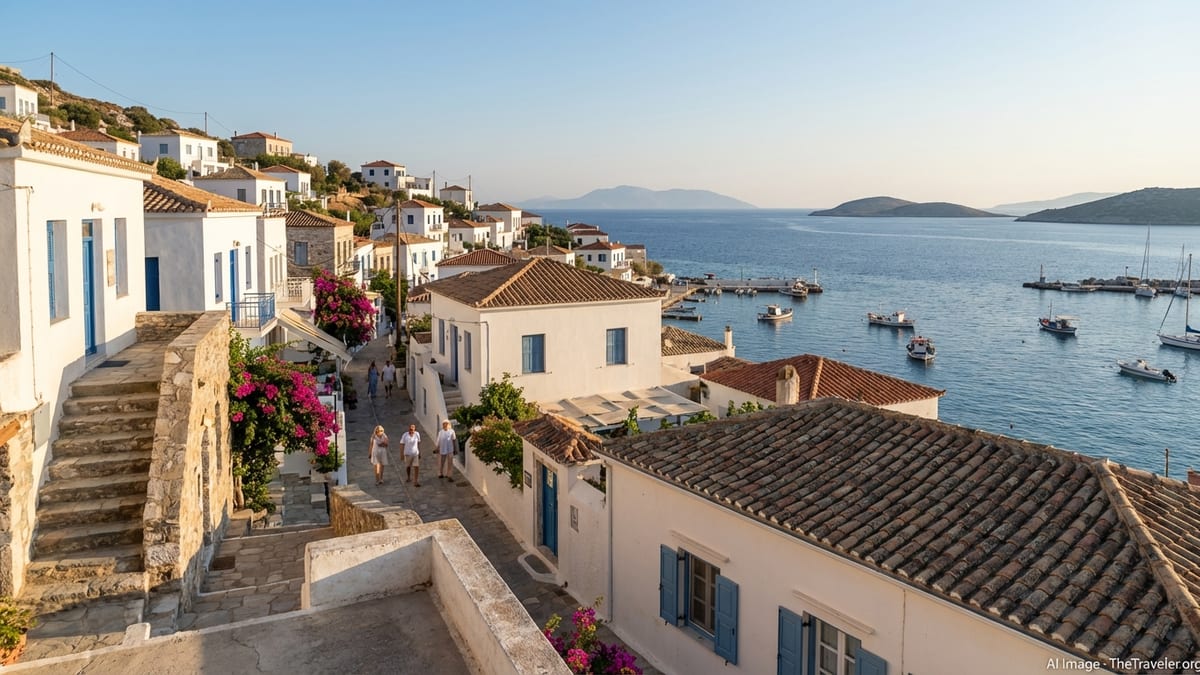
For many travelers, the words “Greece in summer” conjure the quintessential image of whitewashed villages above a sparkling blue sea. From June through August, conditions in much of the country are indeed tailored to long beach days: skies are reliably blue, rainfall is rare, and the seas around islands such as the Cyclades, Ionian chain and Crete reach their warmest temperatures. Ferries, domestic flights and seasonal routes are at their most frequent, which makes island-hopping logistically straightforward, provided tickets are booked in advance.
The trade-off is crowding and heat, especially in July and August. Temperatures in Athens and other inland cities often climb into the 90s Fahrenheit, and reflective stone surfaces at archaeological sites can amplify the sensation. On marquee islands such as Santorini and Mykonos, high season brings cruise calls, full hotels and packed alleyways, particularly at sunset viewpoints. Lines at major attractions grow longer, and securing last-minute space on popular boat tours or in sought-after restaurants can be challenging and expensive.
If your top priority is guaranteed beach weather and lively nightlife, and you are less concerned about sharing space, summer can still be a rewarding time to visit. To soften the impact of the heat, many visitors shift outdoor sightseeing to early morning and late afternoon, reserving the early afternoon for shaded tavernas or beach breaks. Choosing less-visited islands or quieter regions of larger islands can also make a notable difference; places in the Ionian Sea, sections of the Peloponnese coast, or smaller islands with limited cruise traffic may feel significantly more relaxed than the busiest Cycladic hubs.
For travelers focused primarily on good weather and fewer crowds, however, high summer is rarely the ideal choice. It works best for those who have inflexible holiday dates tied to school schedules, or who specifically want that high-energy atmosphere with full nightlife and event calendars. If you do opt for July or August, planning well ahead, aiming for accommodations outside the busiest town centers, and being prepared for premium pricing are all key to maintaining comfort.
Autumn: Warm Seas, Softer Light and Calmer Islands
Early autumn in Greece, especially September and October, is widely praised by travel writers and tour operators as one of the best times to visit for comfortable weather and reduced crowds. In many coastal areas, September feels like a gentler continuation of summer, with daytime highs often in the mid-70s to low 80s Fahrenheit and plenty of sunshine. Crucially for beach-focused travelers, the sea remains warm after absorbing heat all season, often making September the most enjoyable month for swimming.
By October, temperatures begin to ease further, typically settling into the high 60s to low 70s Fahrenheit in many regions, with cooler evenings that invite light layers. Some days can bring showers, particularly later in the month and toward November, but there are still plenty of clear, bright days suitable for hiking, outdoor dining and unhurried explorations of archaeological sites. For travelers who appreciate walking tours, photography and time in nature, the combination of softer light, lingering warmth and diminishing crowds is especially appealing.
Crowd levels drop steadily after the late August peak. Families return home for the start of the school year, and the number of cruise calls eases, which in turn reduces the pressure on famous viewpoints and narrow village streets. Hotel rates typically begin to fall, especially from late September, though truly popular islands and city centers can remain lively well into the month. On smaller or more seasonal islands, some beach clubs and tour operators start winding down by mid-October, so if specific experiences are important, it is sensible to check expected closing dates and schedule your trip earlier in the season.
Autumn also aligns with key harvest periods across Greece, making it an excellent time for travelers interested in food and wine. Vineyards are busy, presses begin working on the year’s olive oil, and markets fill with seasonal produce such as figs and grapes. Regional festivals celebrating local products and traditions add another layer of interest. When combined with warm seas and calmer streets, this culinary angle helps explain why many seasoned Greece visitors consider September and the first half of October the single best window for repeat trips.
Winter and Off-Season: Quiet Streets and Cultural Focus
Winter in Greece, running roughly from November through March, sees the fewest international arrivals. Daytime temperatures are generally mild compared with northern Europe, but the combination of cooler air, more frequent rain and shorter daylight hours means this is not beach season. In mountain areas and some northern regions, snow is possible, and ski resorts operate during the heart of winter, though that remains a niche interest for most foreign visitors.
For travelers whose primary interest is history, culture and everyday urban life, however, winter can be an attractive option. Major cities such as Athens and Thessaloniki remain lively, with museums, galleries, theaters and restaurants operating as usual and noticeably fewer tourists. Visiting the Acropolis or ancient sites like Delphi and Epidaurus in cooler weather can be more physically comfortable than climbing in full summer heat, and it is often possible to experience these places with very small crowds, particularly on weekdays.
The key trade-offs are the reduced frequency of transport connections to islands and the partial closure of seasonal businesses. Many island hotels, beach bars and tour operators shut for at least part of the winter, and ferry schedules are slimmer, which limits spontaneous island hopping. Weather variability also increases, so visitors should pack for the possibility of rain and cooler evenings. Those who are flexible, however, can benefit from significantly lower prices on flights and accommodations, especially after the December and early January holiday period.
In terms of good weather and fewer crowds together, winter scores highly on the “fewer crowds” side but less so on guaranteed outdoor conditions. It suits repeat visitors, budget-conscious travelers and those who prefer city breaks filled with museum visits, food markets and neighborhood walks. First-time visitors hoping for iconic island sunsets and long beach days will likely be better served by late spring or early autumn.
Regional Nuances: Islands, Mainland Cities and Coastal Getaways
While national patterns offer a useful framework, the best time to visit Greece also depends on which regions you plan to explore. The Aegean islands, Ionian chain, Crete, mainland archaeological sites and northern cities all experience slightly different seasonal rhythms. Factoring in these nuances can help you align your trip with both good weather and thinner crowds in your specific destinations.
In the Cyclades, which include high-profile islands such as Santorini, Mykonos and Paros, summer crowds can be intense, especially when cruise ships are in port. For these islands, late April through early June and late September through early October are consistently recommended as optimal windows: ferries run regularly, most hotels and restaurants are open, the weather is warm enough for outdoor dining and often for swimming, yet village lanes and sunset viewpoints are substantially less congested than in peak months.
Crete, Greece’s largest island, has a longer tourism season thanks to its southerly location and size. Warm weather often arrives earlier in spring and lingers later into autumn than in more northerly regions. This means April and early November can still be viable options for travelers primarily interested in hiking, local food and sightseeing rather than full beach days. Because Crete has large resident populations in cities such as Heraklion and Chania, it also retains more year-round services than smaller islands, which can make shoulder and even winter travel more practical.
On the mainland, cities like Athens and Thessaloniki, as well as archaeological hubs in the Peloponnese and central Greece, follow a slightly different pattern. They receive visitors throughout the year, with a noticeable surge from late spring through early autumn. Here, the classic advice holds strongly: late April to early June and late September to October offer comfortable sightseeing temperatures and fewer tour groups than July and August. Coastal areas of the Peloponnese and regions along the Ionian Sea share some of the islands’ beach appeal but often with fewer people, making them good alternatives for travelers who want sea access without peak island crowds.
Planning Around Crowds Without Compromising Weather
Balancing good weather and fewer crowds in Greece is largely a question of choosing shoulder-season dates and then fine-tuning based on your priorities. If warm, swimmable water is essential, aim for late May, June or September, when seas are generally pleasant and the bulk of summer visitors have not yet arrived or have already departed. If swimming is less critical and you are more interested in walking through historical districts, sitting in cafes and enjoying rugged landscapes, late April, early May and October often provide cooler but still pleasant conditions, along with further reductions in visitor numbers and prices.
Within any given month, crowd levels can fluctuate around public holidays, festivals and major cruise ship days. In popular ports such as Santorini and Mykonos, it is common for the feel of the island to change from one day to the next based on ship schedules. Checking expected cruise arrivals and adjusting your own daily plans, for example visiting the busiest villages early in the morning or late in the evening on heavy cruise days, can substantially improve the experience even in busier weeks.
Accommodation choices can also help you moderate the impact of crowds while still enjoying favorable weather. Staying a short walk or drive away from the busiest old towns, choosing villages that are slightly off the main tourist circuit, or visiting secondary islands rather than the most famous ones can all produce a noticeably calmer atmosphere. Paired with shoulder-season timing, these strategies enable many travelers to enjoy peak-quality weather while encountering only moderate queues, especially at smaller archaeological sites, beaches and viewpoints.
Finally, it is wise to think in terms of ranges rather than exact dates. Climate patterns and tourism trends can shift from year to year, so approaching your planning with flexibility and a willingness to adjust by a week or two, if flight options or local events suggest it, can help you stay aligned with the goal of comfortable weather and manageable crowds. Booking key elements such as ferries and high-demand accommodations well ahead for late spring and early autumn visits is prudent, since more travelers are discovering these sweet spots each year.
The Takeaway
For most visitors who want Greece at its best without the crush of peak summer, the most reliable windows are late April through June and September through early October. During these periods, the country typically offers warm, bright days suited to outdoor exploration, seas that are either pleasant or warming rapidly, and a lively but not overwhelming level of tourism activity on both islands and the mainland.
Choosing among those months then becomes a matter of fine-tuning. Late spring delivers blooming landscapes, cooler nights and especially light crowds early in the season, making it well suited to hikers, culture-focused travelers and first-time visitors looking to cover several regions. Early autumn offers warm seas, softer sunlight and a more relaxed atmosphere after the school holidays, which appeals strongly to repeat visitors, couples and anyone who prizes long swims and harvest-season food experiences.
High summer, from late June through August, remains the obvious choice for travelers who want guaranteed beach weather, extended late-night energy and the widest range of ferry routes and seasonal businesses. Yet for those who value space at the viewpoint, shorter lines at archaeological sites and more moderate prices, aiming just on either side of that peak will usually yield a more comfortable and rewarding Greek journey.
FAQ
Q1. What is the single best month to visit Greece for good weather and fewer crowds?
Many travelers find May or September offers the best balance, with warm weather, reasonably calm seas, and noticeably fewer visitors than in July and August.
Q2. Is April too early to enjoy the Greek islands?
April can be lovely for walking, village life and views, with mild temperatures and light crowds, but the sea is often cool and some seasonal businesses may not yet be open.
Q3. When is the sea warmest in Greece?
The sea is typically warmest from late July through September, with September often combining peak water temperatures with slightly thinner crowds on many islands.
Q4. Are July and August always a bad idea because of crowds?
Not necessarily. They are the busiest and hottest months, but if you choose less-famous islands, stay outside central hotspots and plan ahead, you can still have a rewarding trip.
Q5. Is winter a good time to visit Greece?
Winter is good for city breaks in places like Athens and Thessaloniki, with fewer tourists and lower prices, but it is not ideal for beach holidays or island hopping.
Q6. Which Greek regions are best in shoulder season?
Islands such as the Cyclades and Ionian chain, Crete, and mainland areas like the Peloponnese and central Greece all shine in late spring and early autumn, when weather is pleasant and crowds are lighter.
Q7. How far in advance should I book for a May or September trip?
For popular islands and boutique hotels, booking several months ahead is sensible, especially if you have fixed dates, but last-minute availability is often better than in peak summer.
Q8. Will restaurants and ferries run normally outside summer?
In late spring and early autumn, most services operate on strong schedules, though there may be fewer departures than in August; deep winter sees more limited options, especially on smaller islands.
Q9. What is the best time to visit Greece if I dislike hot weather?
If you prefer cooler conditions, consider late April, early May or October, when daytime temperatures are usually mild enough for comfortable walking and sightseeing.
Q10. When are prices generally lowest in Greece?
Prices for flights and accommodations are usually lowest from November through March, with particularly good value available outside the Christmas and New Year holiday period.