

Hong Kong is one of the world’s great travel hubs, a city where almost every purchase can be tapped, swiped or scanned. That makes it a dream destination for savvy travelers armed with the right credit cards. Choose poorly, however, and foreign transaction fees and poor exchange rates can quietly inflate your costs. This guide explains which types of cards work best in Hong Kong, how local payment systems operate, and practical strategies to cut fees while maximizing rewards.
How Paying by Card Works in Hong Kong
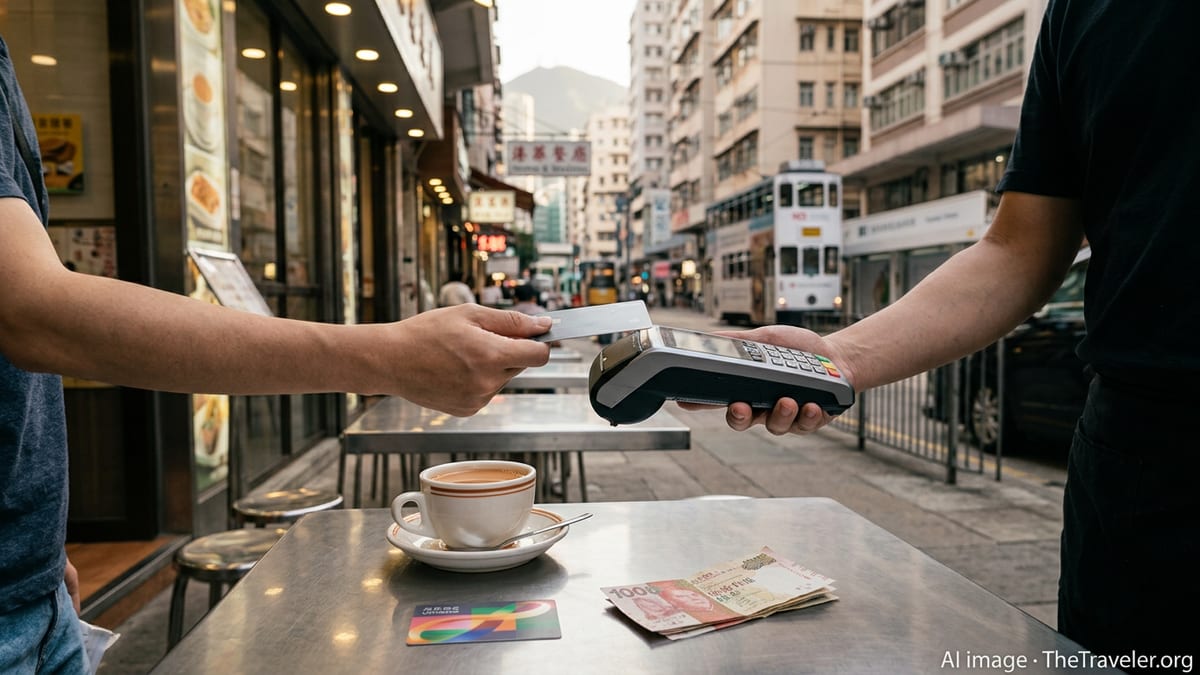
Hong Kong is highly card friendly. Visa and Mastercard are widely accepted at hotels, major restaurants, malls, chains and attractions. American Express is accepted at many international hotels and upscale venues, but less consistently at smaller merchants. UnionPay is common among mainland Chinese visitors and in some local shops. Contactless payments are standard, and most point of sale terminals support tap to pay and mobile wallets.
Alongside traditional credit and debit cards, Hong Kong has its own stored value ecosystem. The Octopus card is used extensively on public transport and at convenience stores and casual eateries. Increasingly, QR code wallets such as AlipayHK and WeChat Pay HK are also accepted. As a visitor, you can comfortably rely on an international credit card for most medium and large purchases, while using Octopus or cash for small transactions and transport.
Behind the scenes, every foreign card transaction involves currency conversion. If you hold a card issued outside Hong Kong, your purchase is typically authorized in Hong Kong dollars and then converted by your card network into your home currency. The rate and any extra fees depend on your issuer and whether you accept any “helpful” currency conversion offers presented at checkout.
Understanding these layers is crucial. A card with no foreign transaction fees and competitive network rates can keep your costs close to the interbank rate. A card with added fees or poor conversion can quietly add several percentage points to every purchase across your entire stay.
Key Fees Travelers Face in Hong Kong
Most travelers worry about foreign transaction fees first. Many mainstream credit cards still charge around 3 percent on purchases made outside your home country. In contrast, modern travel focused cards from major issuers often waive this fee entirely. If you visit Hong Kong with a card that still charges foreign transaction fees, every HKD 10,000 you spend could attract the equivalent of roughly HKD 300 in extra costs.
In addition to issuer charges, dynamic currency conversion can significantly erode value. At many Hong Kong merchants, especially at hotels, tourist oriented shops and airport outlets, card terminals may offer to bill you in your “home currency” instead of Hong Kong dollars. The terminal or payment processor sets its own exchange rate, often with a hefty margin on top of wholesale rates. Even if your card has no foreign transaction fee, accepting this option generally leads to a worse overall rate than paying in local currency.
Some banks and payment gateways build small markups into their own internal currency conversions. For example, acquirers or gateways may apply a percentage spread above the card network’s base rate when converting overseas payments for Hong Kong merchants. Travelers do not see these back end arrangements directly, but they help explain why similar transactions can post at slightly different effective exchange rates, even when using the same card network on different days or at different merchants.
Travelers should also consider ATM related costs when withdrawing cash. Separate from credit card purchases, ATM withdrawals may trigger out of network fees, flat per withdrawal charges and currency conversion spreads. In many cases, using a credit card with strong rewards and no foreign transaction fee for most purchases, while withdrawing modest amounts of cash with a low fee debit card, strikes the best balance.
Best Types of Travel Cards to Use in Hong Kong
Rather than chasing one universally “best” card, it is more useful to think in terms of card categories. The first priority is to carry at least one primary credit card that charges no foreign transaction fees, ideally on a network with strong acceptance in Hong Kong such as Visa or Mastercard. Major travel cards from issuers like Chase, Capital One, Citi, Bank of America and others often meet this requirement, pairing global acceptance with reward structures tailored to travel and dining.
Premium travel rewards cards tend to offer robust protections and perks that are particularly helpful in Hong Kong, where hotel rates and long haul flights can be substantial. Many such cards feature travel insurance benefits, trip delay or cancellation coverage, lost baggage protection and lounge access in Hong Kong International Airport. These extras can add tangible value, especially on complex itineraries or during peak travel periods when delays are more likely.
For those who prefer not to pay high annual fees, a growing number of no annual fee cards now waive foreign transaction fees as well. These can be ideal for occasional travelers or as a backup card. Some provide enhanced rewards on travel, transit and dining, which map well to typical spending patterns in Hong Kong, from MTR rides and airport transfers to dim sum and rooftop bars.
A third useful category is the multi currency or global debit card. Certain banks offer debit products that allow you to hold and spend multiple currencies, sometimes including Hong Kong dollars, with transparent or modest markups over interbank rates. While acceptance for debit can be slightly more variable than credit, these products can reduce exposure to cash withdrawal fees and give budget conscious travelers more control over their exchange rates.
Balancing Rewards, Acceptance and Practicality
When evaluating travel credit cards for use in Hong Kong, rewards are only one part of the equation. Many leading travel cards earn accelerated points or miles on categories like travel, dining and transit, often ranging from about 2 to 5 points or percent back per dollar equivalent. Given that Hong Kong offers endless opportunities for meals out and extensive public transport, these bonuses can accumulate quickly.
However, generous rewards are only meaningful if the card is widely accepted where you travel. Visa and Mastercard co branded cards from major issuers remain the most hassle free option in Hong Kong. American Express can deliver strong rewards and perks for those who hold premium products, but acceptance can be patchier in smaller shops or family run businesses. Travelers who primarily rely on American Express should bring a no foreign transaction fee Visa or Mastercard as a backup.
Redemption flexibility also matters. Some cards tie rewards to specific airlines or hotel chains, which is appealing if you frequently fly a particular carrier that serves Hong Kong or stay with a global hotel group. Others offer more flexible points that can be used as travel statement credits or transferred to multiple partners. For many casual travelers, a simple structure where points can be applied against any travel purchase, or straightforward cash back, can be easier to manage than juggling multiple loyalty schemes.
Practical features such as contactless capability and mobile wallet compatibility round out the picture. In Hong Kong, where tapping to pay is standard in many settings, a modern contactless card or a card that works smoothly with Apple Pay or Google Pay makes payments quicker and more seamless. Before departure, travelers should confirm that their card’s contactless function is enabled and that their issuer allows international mobile wallet transactions.
How Hong Kong Specific Systems Like Octopus Fit In
Many visitors quickly discover that Octopus is the de facto payment method for public transport in Hong Kong, including the MTR, buses, ferries and some taxis. It is also widely used at convenience stores, fast food outlets and vending machines. While you cannot typically tap a foreign credit card directly on Octopus readers, you can load an Octopus card with cash and then pay for small purchases without opening your wallet for credit cards every time.
For travelers comfortable with mobile payments, app based solutions have expanded. The Octopus App for Tourists and similar services allow topping up via selected credit and debit cards, although support is generally optimized for cards issued in Hong Kong or mainland China. Visitors using cards from other regions may find more friction in linking their cards directly, and any cross border top ups can involve foreign transaction fees and currency conversion costs imposed by their home issuer.
QR code wallets such as AlipayHK and WeChat Pay HK are gaining ground, especially in smaller shops and among younger consumers. Some international visitors can link foreign cards to certain wallet variants, but these setups often require extra verification steps and may entail additional fees or less favorable exchange rates compared with using a strong travel credit card directly. For many short stay visitors, relying on a no foreign transaction fee card for medium and large expenses, plus Octopus and modest cash for micro transactions, strikes an efficient balance.
Because payment ecosystems evolve quickly, travelers should always check current conditions shortly before departure. Campaigns waiving certain transaction fees or introducing new payment options occasionally appear, particularly during busy travel seasons or cross border tourism promotions. These can temporarily change the relative attractiveness of cards and digital wallets for specific routes or types of spending.
Practical Strategies to Minimize Fees and Headaches
Effective use of travel credit cards in Hong Kong starts before you board your flight. First, confirm which of your existing cards charge no foreign transaction fees and prioritize those for your trip. If all of your current options impose such fees, applying for a suitable travel card several weeks before departure can pay for itself in avoided charges and added rewards, especially if you anticipate significant hotel or shopping spend.
Next, notify your issuer of your travel plans if they still recommend doing so. Many modern systems rely on automated fraud detection and no longer require explicit travel notifications, but some issuers still offer the option. Keeping your contact details up to date and enabling app alerts allows you to monitor transactions quickly and respond fast if anything looks suspicious.
Once in Hong Kong, always ask merchants to process transactions in Hong Kong dollars rather than your home currency. If a terminal screen presents you with a choice of currencies, selecting the local currency generally secures a better overall rate. This approach avoids dynamic currency conversion markups built into foreign currency billing by third party processors, allowing your card network and issuer to handle conversion at their prevailing rates.
Travelers should also separate card use by purpose. Use your best travel rewards credit card with no foreign transaction fee for hotels, flights, dining and shopping. Use a low fee debit card or multi currency account for moderate cash withdrawals at reputable ATMs, such as those attached to major banks in central districts or at the airport. Avoid withdrawing cash using a credit card, as this typically triggers cash advance fees and higher interest rates from the date of withdrawal.
Security, Protections and Local Considerations
Hong Kong is generally viewed as a safe and orderly city, but card security still matters. As in any major destination, travelers should keep physical cards secured, shield their hand when entering PINs and be wary of unsolicited assistance at ATMs. Using contactless payments and mobile wallets where possible reduces the need to hand cards to staff and can limit exposure to skimming devices.
One advantage of established travel credit cards is the suite of protections they offer. Zero liability policies for unauthorized transactions, fraud monitoring, virtual card numbers for online bookings and temporary card locks via mobile apps all contribute to safer travel. Reviewing these features before you depart helps you understand what support is available if your card is lost or compromised during your trip.
Travelers should also pay attention to billing cycles and statement currencies. Large purchases made in Hong Kong, such as luxury goods or extended hotel stays, may take a few days to post to your account at the final exchange rate. Because network rates can fluctuate daily, the amount in your home currency may differ slightly from the estimated amount on the transaction day. Keeping a small buffer in your budget and monitoring statements regularly reduces surprises when you return home.
Finally, because Hong Kong hosts frequent regional events, trade fairs and holiday periods, accommodation rates and airfares can spike at certain times of the year. Leveraging your travel card’s rewards, welcome bonuses and partner redemption options can offset these higher costs. Consider pairing your Hong Kong trip with strategic use of points or miles for long haul flights or premium cabin upgrades, maximizing value while keeping actual cash outlay under control.
The Takeaway
Used thoughtfully, travel credit cards can be powerful tools for exploring Hong Kong while keeping costs and hassles to a minimum. The strongest combination for most visitors is a primary Visa or Mastercard with no foreign transaction fees and solid travel or dining rewards, supported by a backup card on a different network and a small amount of local cash.
Understanding how fees are layered into international transactions and making simple choices, such as always paying in Hong Kong dollars at the terminal, go a long way toward protecting your budget. Complementing your cards with an Octopus card for everyday transport and small purchases adds convenience and helps you blend seamlessly into local routines.
Because products, terms and promotions change frequently, travelers should verify the current features of any card they plan to rely on and review the fine print for foreign use. With a little preparation, however, you can turn your wallet into a powerful ally, unlocking rewards and protections while you explore Hong Kong’s skyline, street markets and harbor views.
FAQ
Q1. Do I really need a no foreign transaction fee card for Hong Kong?
While you can pay with almost any mainstream card, using one that waives foreign transaction fees typically saves you several percent on every purchase across your trip.
Q2. Is Visa or Mastercard better to use in Hong Kong?
Both are widely accepted, and in practice there is little difference for most travelers. The specific card’s fees, rewards and benefits matter far more than network choice.
Q3. Will my American Express card work everywhere in Hong Kong?
American Express is accepted at many hotels, international chains and upscale venues, but smaller local merchants often do not take it, so bring a Visa or Mastercard backup.
Q4. Should I choose to pay in my home currency or in Hong Kong dollars at the terminal?
Choosing to pay in Hong Kong dollars is generally better, because it avoids dynamic currency conversion markups and lets your card network apply its own exchange rate.
Q5. Can I use my foreign credit card directly for the MTR and buses?
Most travelers still rely on an Octopus card or compatible mobile wallet for public transport. Some gates accept direct contactless card payments, but coverage is not universal.
Q6. Are premium travel cards worth it for a single Hong Kong trip?
They can be, if you have significant flight and hotel expenses and can use included benefits like lounge access, travel insurance and elevated rewards on travel and dining.
Q7. Is it better to withdraw cash in Hong Kong or exchange money at home?
Withdrawing moderate amounts from reputable ATMs using a low fee debit or multi currency card often yields competitive rates compared with exchanging large sums in advance.
Q8. Will I earn rewards on Octopus top ups made with my credit card?
Some issuers treat transit or stored value top ups as eligible purchases, while others exclude them or cap rewards, so it is important to check your specific card’s terms.
Q9. How many cards should I bring to Hong Kong?
Carrying at least two credit cards from different issuers, plus a debit card for ATM access, provides resilience in case of network outages, fraud alerts or card loss.
Q10. How do exchange rate fluctuations affect my final bill?
Your issuer typically applies the network rate on the day the transaction posts, so the amount in your home currency may differ slightly from what you estimated on the purchase date.