

More news on this day
Travelers flying through Westchester County Airport in White Plains, New York, faced a fresh wave of disruption on Tuesday as lingering effects from a powerful Northeast blizzard left 26 flights delayed and 23 cancelled, snarling key connections on American Airlines, Delta Air Lines, JetBlue Airways and other carriers across New York City, Chicago, Atlanta and major East Coast routes.
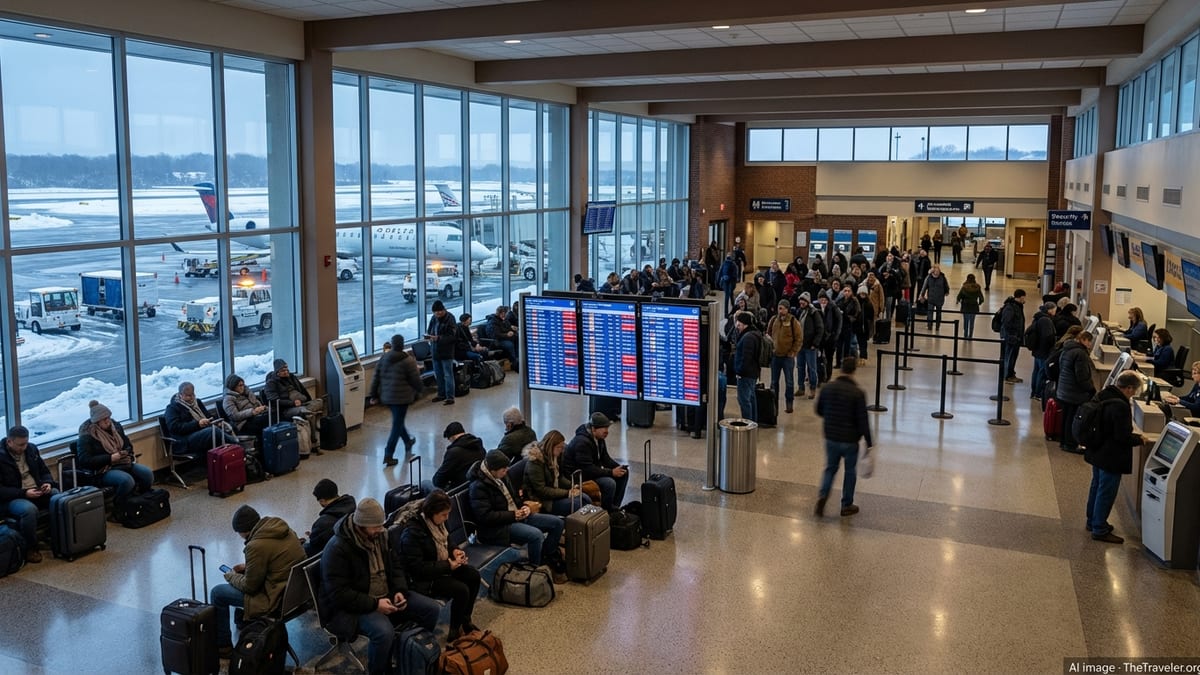
Storm Fallout Brings Ground Delays to White Plains
The latest disruption at Westchester County Airport comes as airlines across the Northeast continue to dig out from a historic blizzard that pounded the region on February 23 and into February 24. While runways at larger New York City airports have gradually reopened, regional facilities like Westchester remain under strain as carriers work through congested schedules and winter weather recovery protocols.
By Tuesday afternoon, the Federal Aviation Administration listed Westchester County Airport under a ground delay program due to snow and ice, with average waits of nearly an hour for departing flights. The conditions reflect a broader pattern in the region, where heavy snowfall and gusty winds forced airport authorities to prioritize runway clearing, de-icing operations and reduced arrival and departure rates.
The cumulative effect has been a cascade of knock-on delays, with aircraft and crews out of position after widespread cancellations earlier in the week. Even as skies cleared, passengers at Westchester reported extended lines at check-in counters and departure gates, as airlines sought to rebook stranded travelers on a shrinking number of available seats.
American, Delta and JetBlue Among Hardest Hit
Major U.S. carriers with strong East Coast footprints have borne the brunt of the disruption at Westchester County Airport. American Airlines, Delta Air Lines and JetBlue Airways all reported cancellations or significant delays on key routes linking White Plains with New York City feeder airports, Chicago and Atlanta, as well as popular leisure destinations in Florida.
JetBlue, which has been among the most heavily affected airlines systemwide during the blizzard, cut multiple departures from Westchester, including services to Florida. American and Delta, meanwhile, have seen a mix of outright cancellations and rolling delays on their Chicago and Atlanta flights, with ripple effects for passengers connecting onward to the Midwest, the Southeast and the Caribbean.
Regional partners operating smaller jets under major-airline brands have also been squeezed. Tight crew duty-time limits, limited spare aircraft and continued de-icing requirements have left little slack in the system, meaning even modest schedule adjustments at Westchester can spill over into neighboring hubs and subsequent legs.
Knock-On Effects Across New York City and Key Hubs
The troubles at Westchester are closely tied to wider turmoil at New York City’s major airports. John F. Kennedy International, LaGuardia and Newark Liberty all experienced hundreds of cancellations and delays as the blizzard swept through, forcing airlines to suspend large portions of their schedules and strand aircraft across the network.
Because many Westchester flights rely on aircraft and crews rotating through these larger hubs, the near shutdown of New York City operations created a domino effect. Aircraft that were scheduled to route from JFK or LaGuardia to White Plains never departed, leaving gaps in Westchester’s schedule even after local weather began to improve and runway conditions stabilized.
Further down the line, disruptions at other key hubs, including Chicago and Atlanta, compounded the challenge. As carriers prioritized restoring service at their largest connecting centers, some smaller markets such as White Plains saw deeper cuts, forcing travelers to route through alternative airports or accept lengthy rebooking windows stretching into midweek.
Passengers Face Long Waits, Rebookings and Limited Options
For travelers, the combination of 26 delays and 23 cancellations at a relatively small airport like Westchester has meant limited fallback options. Seats on remaining flights quickly filled, and many customers discovered that same-day rebooking was no longer available on their original routes, particularly on morning departures to major hubs and Florida destinations.
Some passengers have been forced to shift their travel plans to larger New York City airports, only to encounter additional congestion there. With ground transportation also affected by snow-clogged roads and intermittent rail service issues, simply reaching an alternative airport has proven challenging for those starting their journeys in Westchester County and the surrounding suburbs.
Airlines have encouraged affected customers to use mobile apps and customer-service channels to rebook, often waiving change fees and fare differences within certain date ranges. However, with the broader U.S. network still recovering from thousands of storm-related cancellations, competition for open seats remains intense, and many travelers face multi-day delays for leisure trips and business itineraries alike.
Slow Recovery Expected as Airlines Reset Operations
Industry forecasts suggest that while the worst of the blizzard has passed, the U.S. air travel system will need several days to fully normalize, and secondary airports like Westchester may continue to feel lingering effects. Airlines must reposition aircraft, reset crew schedules and work through backlogs of displaced passengers before returning to standard operations.
At Westchester County Airport, officials expect delays to gradually shorten as the week progresses, but warn that weather-sensitive early morning and late evening departures could remain vulnerable to disruption. Travelers are being urged to check flight status frequently, arrive early for departures and remain flexible about routing and connection options.
For many in the New York metropolitan area, the situation at Westchester underscores how quickly a regional storm can ripple across the national air travel network. Even as major hubs reopen, airports that serve as crucial relievers for local residents can struggle with residual congestion, making it essential for passengers to plan ahead, monitor conditions and be prepared for last-minute changes.