


More news on this day
Flights at Boston Logan International Airport were edging back toward normal on Monday after a fueling system failure halted departures Sunday night, yet travelers continued to encounter significant delays and cancellations as airlines worked through the backlog.
Get the latest news straight to your inbox!
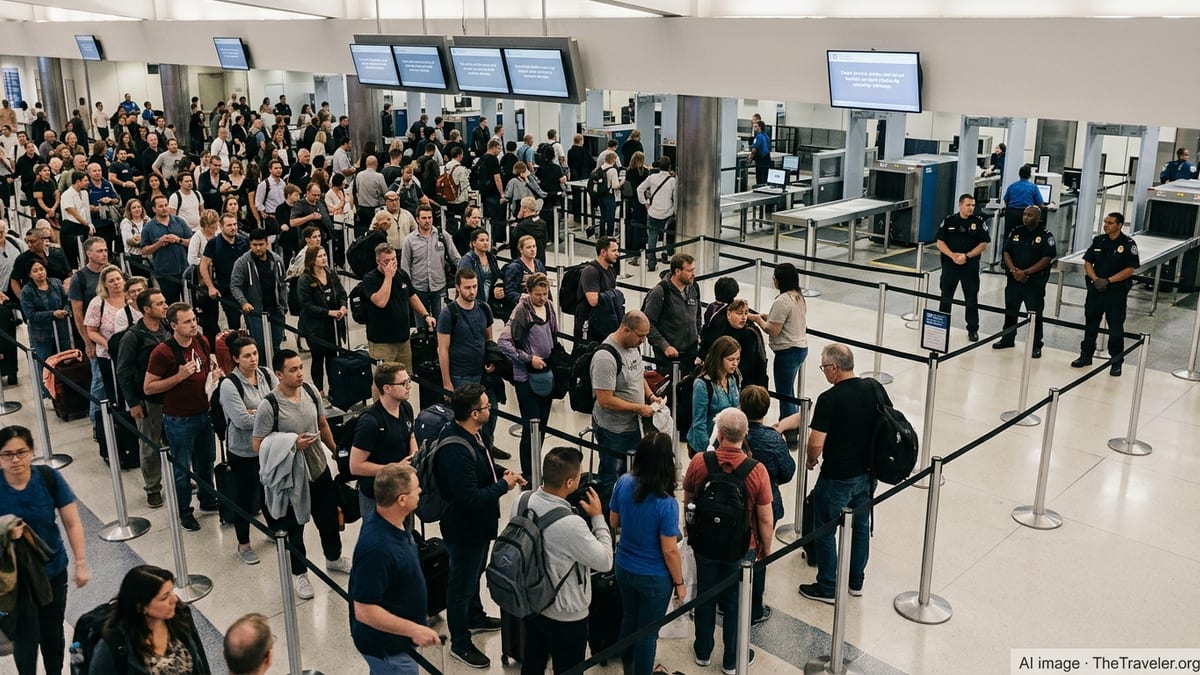
Ground stop lifted, but knock-on disruption remains
Publicly available information from federal aviation advisories and regional media indicates that the disruption began on the evening of Sunday, July 5, when a problem in Logan’s centralized fueling system prevented many aircraft from taking on fuel at the gate. The Federal Aviation Administration issued a ground stop for departures, effectively pausing much of the airport’s outbound traffic at the end of a busy holiday weekend.
By late Sunday night the fueling problem had been resolved and the formal ground stop lifted, according to multiple local outlets and airport operations summaries. Departures gradually resumed in the early hours of Monday, July 6, as fueling capacity returned and ramp activity restarted across several terminals.
Despite the technical fix, aviation tracking data showed a heavy residue of disruption rolling into the new day. Figures cited in local coverage referenced dozens of cancellations and well over fifty delays still in effect on Monday morning, underscoring how even a few hours of halted fueling can ripple across tightly timed airline schedules.
Some inbound flights were able to land throughout the incident, but others were held at their origin airports or diverted to avoid further congestion in Boston. That pattern, described in publicly available FAA planning notes and airline communications, helped keep Logan’s taxiways from gridlocking even as many departing aircraft remained stuck at gates.
Fueling system issue centered on shared infrastructure
Reports from Boston based news outlets and aviation focused coverage consistently point to Logan’s centralized fuel farm and hydrant system as the source of the problem, rather than an individual airline’s equipment. The system, which pumps jet fuel from storage tanks through underground lines to gate positions, is managed on behalf of airlines by a consortium commonly referred to as BOSFuel.
According to published accounts, a fault in that shared fueling infrastructure late Sunday curtailed or halted the flow of fuel needed to service departing jets. Some reports describe a problem in the delivery lines, while others reference a broader systems malfunction affecting the pumps that move fuel from the tanks toward the terminals.
BOSFuel had not publicly detailed the precise technical cause as of Monday afternoon. However, the consistent description of the outage as a centralized fueling problem helps explain why impacts were visible across multiple carriers and terminals, rather than being confined to a single concourse or airline.
Historical documents and prior media coverage show that Logan has experienced occasional fueling disruptions in past years, including a 2024 fuel farm outage that also required a system restart and led to delays. Those earlier events highlight the operational sensitivity of airports that rely on complex shared fueling networks serving dozens of gates simultaneously.
Airlines extend waivers and urge travelers to check status
With residual disruption extending into Monday, several major airlines serving Boston issued customer waivers or travel advisories. One large carrier’s online alert described “BOS fuel issues” and allowed eligible customers with tickets issued on or before July 5 to rebook without standard change fees, provided they traveled within specified dates and maintained similar routing.
Such waivers, described in publicly available airline advisories, are designed to give passengers flexibility when an airportwide infrastructure problem disrupts travel independent of weather. They also help airlines redistribute demand away from peak periods as operations normalize, easing pressure on scarce seats during recovery.
Airport communications and local broadcast reporting advised passengers flying on Monday to verify their flight status directly with airlines before heading to Logan. Aviation tracking platforms continued to show an elevated number of delayed and canceled flights through the late morning and early afternoon, a pattern typical after a large-scale ground stop.
Travel industry analysts note that schedule recovery can take most of a day after a significant evening disruption, as aircraft and crew are repositioned and overnight cancellations cascade into limited aircraft availability for early bank departures.
Passengers face long lines and overnight stays
Accounts featured in Boston media and on social platforms depicted long lines at check in counters and customer service desks Sunday night, particularly in terminals used by large domestic carriers. Some travelers reported sitting on planes parked at gates for extended periods while crews waited for confirmation that fueling operations could resume.
Others described flights that were repeatedly delayed and then ultimately canceled late in the evening, forcing passengers to rebook for Monday and, in many cases, arrange last minute hotel stays or remain in the terminal overnight. Those experiences were especially disruptive for travelers connecting through Boston, whose onward itineraries unraveled as the ground stop extended into the night.
Photographs and descriptions shared publicly showed crowded departure halls and busy rebooking counters, reflecting how the sudden nature of infrastructure related stoppages can leave little time for airlines to proactively adjust staffing. While some passengers were able to secure alternative flights early Monday, many faced limited options as remaining seats filled quickly.
Observers noted that the disruption struck during one of the busiest travel periods of the summer, following the Independence Day holiday, amplifying the number of people affected and complicating rebooking efforts across multiple airlines.
Focus shifts to system resilience and traveler preparedness
As operations at Boston Logan moved toward normal levels on Monday afternoon, attention began turning to the resilience of the airport’s fueling infrastructure and what steps might reduce the impact of similar incidents in the future. Aviation commentators pointed to the central role played by fuel farms and underground hydrant networks at major hubs, where a single technical fault can affect hundreds of flights.
Publicly available regulatory documents for Logan’s fuel system emphasize monitoring, maintenance and environmental safeguards, but industry analysts suggest that events such as Sunday’s outage may prompt fresh scrutiny of redundancy, backup power and contingency plans for pumping systems.
For travelers, the episode is serving as another reminder of the value of real time flight tracking tools and airline apps, particularly during peak travel weekends. Consumer advocates routinely advise passengers to enroll in carrier alerts, monitor independent tracking platforms, and consider earlier departures when possible to reduce exposure to evening operational shocks.
While Monday’s steady improvement suggests that Logan’s fueling operations are again stable, the lingering delays and cancellations highlight how quickly a behind the scenes systems failure can surface at departure boards and gate areas, reshaping travel plans across an entire region.