


More news on this day
Passenger flights are resuming at Israel’s Ben Gurion Airport after a period of disruption, yet airlines are warning travelers that checked luggage may be delayed or even left behind as carriers prioritize safety, aircraft weight limits, and schedule recovery.
Get the latest news straight to your inbox!
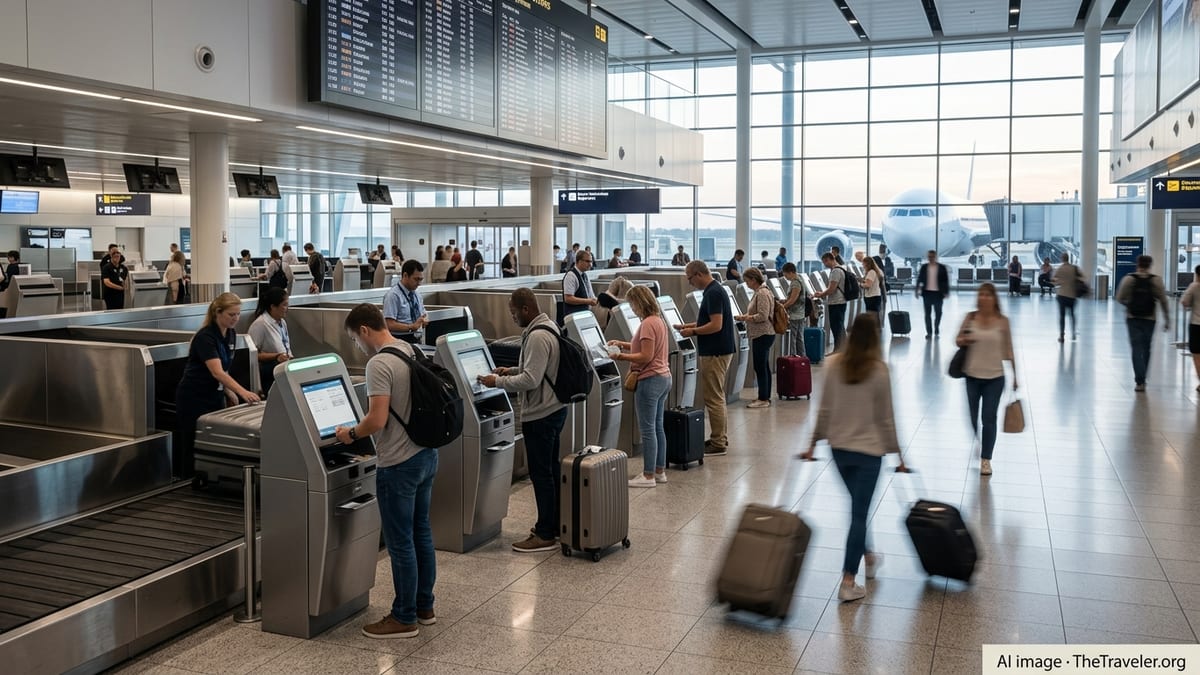
Ben Gurion Ramps Up Operations After Disruptions
Recent weeks have seen a gradual rebuilding of traffic at Ben Gurion Airport, with airport data and industry reporting indicating a steady rise in passenger numbers and flight frequencies compared with earlier in the year. Monthly statistics published by the Israel Airports Authority show tens of thousands of travelers moving through the hub and a continuing rebound toward pre-crisis levels of demand.
Terminal facilities are reopening more fully as airlines reintroduce routes and increase frequencies. Published coverage notes that low cost and regional carriers have begun to scale up their schedules, while additional international services are planned through the late summer season. At the same time, some foreign airlines remain cautious or have suspended operations, resulting in an uneven recovery across different markets.
Aviation briefings from Israeli authorities describe a complex operating environment shaped by regional security concerns, changing airspace advisories, and aircraft availability. This mix has left the airport simultaneously managing rising volumes and operational constraints, creating pressure points at check in, security screening, and baggage handling.
Industry observers indicate that, despite higher traffic, Ben Gurion is still functioning below its full capacity compared with peak summer seasons before recent conflicts. However, the combination of pent up demand, schedule adjustments, and infrastructure limits is already testing the system as more flights return.
Why Checked Bags Are at Higher Risk
As flights resume, multiple carriers serving Ben Gurion are cautioning passengers that baggage handling may not keep pace with demand. Airline advisories and publicly available statements highlight several factors: tight turnaround times, staffing challenges at ground handling companies, and operational decisions to limit aircraft weight on certain departures.
On heavily booked flights, airlines sometimes restrict the amount of checked luggage loaded in order to comply with performance and fuel requirements if routes are lengthened or altitudes adjusted due to airspace considerations. When that happens, some bags may be left behind and routed on later services. In a network already operating with fewer daily frequencies than in previous summers, reuniting passengers with delayed luggage can take longer than usual.
Reports from recent travel disruptions in the region also point to knock on effects from aircraft parking shortages and irregular operations. When aircraft are repositioned or swapped at short notice, baggage systems may struggle to reroute luggage accurately, increasing the risk of misdirected or unaccompanied bags.
Ground handling companies at Ben Gurion are working under intensified pressure, as they must scale up staffing and equipment after earlier reductions while simultaneously meeting strict security and screening standards. Travel industry commentary suggests that even small bottlenecks in this part of the operation can trigger broader knock on delays for baggage delivery.
Airline Responses and Passenger Advisories
Airlines that have restored service to Tel Aviv are updating their travel advisories to reflect the possibility of baggage disruption. According to published coverage, some carriers are urging passengers to travel with essential items in cabin bags, limit the number of checked pieces, and allow extra time at the airport for check in and security.
Certain international airlines have also been adjusting their schedules, aircraft types, and routings in response to evolving security guidance. These decisions can reduce the spare cargo and baggage capacity on individual flights, particularly when smaller aircraft are used or when operational margins are tightened. In such conditions, checked baggage becomes more vulnerable to offloading when flights are at or near capacity.
Travel agents and tour operators report building additional flexibility into itineraries involving Ben Gurion, advising customers that same day onward connections may be risky if luggage is delayed. Some package operators are recommending longer layovers or overnight stops when possible, giving airlines more time to locate and forward bags.
Consumer advocates are also drawing attention to compensation and assistance rules that apply when baggage is delayed, lost, or damaged on international journeys. While these frameworks vary by jurisdiction and ticket type, passengers are generally entitled to reimbursement for reasonable emergency purchases when checked bags do not arrive as scheduled.
Impact on Summer Travel Plans
The resumption of flights at Ben Gurion comes during a peak summer period, intensifying the consequences of any disruption. Airport statistics in recent months already point to surging demand as residents travel abroad and inbound tourism attempts to recover. Forecasts from the Israel Airports Authority and local media anticipate millions of passengers passing through the hub over the summer months.
At the same time, there are continuing signs of strain across the system. Coverage in Israeli and international outlets notes concerns about aircraft parking capacity, the need to reposition certain aircraft, and the risk of schedule adjustments if operational constraints worsen. Any further shifts could ripple directly into baggage handling capacity, especially when flights are consolidated or retimed.
For travelers, the most immediate effect is the need to plan for uncertainty. Travel specialists suggest avoiding tight connections, especially on separate tickets, and keeping medication, documents, electronics, and a change of clothes in hand luggage. Those with weddings, cruises, or other fixed date events linked to flights through Ben Gurion are being encouraged to arrive earlier than strictly necessary to allow a margin for possible baggage delays.
Airlines, meanwhile, are balancing the pressure to restore normal service with the operational need to maintain safety and reliability in a difficult environment. As more carriers bring flights back to Tel Aviv, the coming weeks will test whether infrastructure and ground operations can keep pace without prolonged baggage disruptions.
What Travelers Should Expect in the Coming Weeks
Looking ahead, publicly available aviation notices and airport reports suggest that flight operations at Ben Gurion will continue to evolve as security assessments and airline strategies change. Some carriers are expected to expand service gradually, while others remain in a holding pattern or have withdrawn flights altogether.
Travel analysts anticipate a period of adjustment in which schedules may shift frequently and baggage performance remains uneven. Passengers are likely to encounter longer lines at check in and security, fuller flights, and a higher than usual risk that checked luggage will be delayed or arrive on a later service.
Airport management and ground service providers are under pressure to improve resilience in baggage handling systems, including staffing, equipment, and coordination with airlines. Industry observers note that incremental improvements, such as extended operating hours for baggage tracing desks and clearer communication channels with passengers, could ease some of the frustration even if delays cannot be eliminated entirely.
For now, the return of flights at Ben Gurion represents an important step toward restoring connectivity for Israel and the wider region. Yet as airlines themselves acknowledge in various public advisories, the path back to fully normal service is likely to be uneven, and travelers should be prepared for the possibility that their journey will continue without their checked bags on board.