

On the northeast coast of Zakynthos, three beaches sit within a relatively short drive of one another yet offer strikingly different holiday experiences. Bouka Beach, Tsilivi Beach and Alykanas each attract their own loyal following, from families seeking calm shallows to couples chasing sunset cocktails and travelers who want somewhere quiet to escape the crowds of the island’s more famous shores.
Choosing between them is less about which beach is objectively best and more about which one best fits the way you like to travel. This guide compares them side by side so you can decide where to base yourself and how to plan your days by the sea.
Setting the Scene: Where Each Beach Sits on Zakynthos
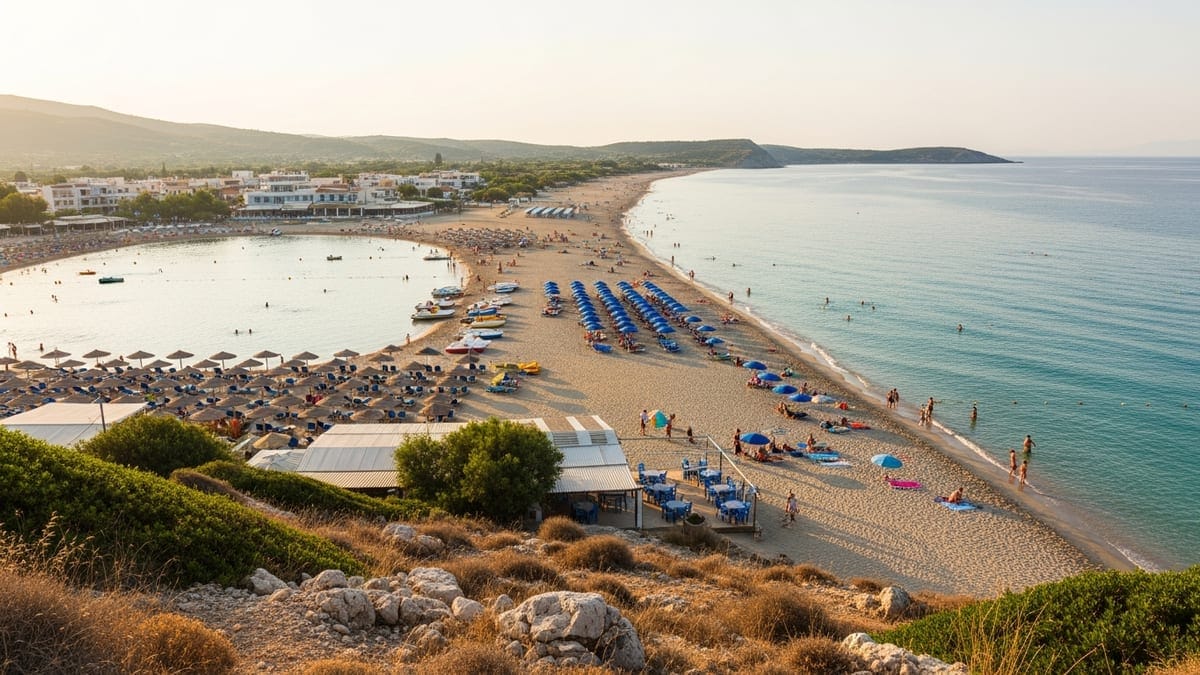
All three beaches lie on the northeastern coast of Zakynthos, looking out across the Ionian Sea toward the Greek mainland and Kefalonia. Tsilivi, often used interchangeably with the name of the nearby village of Planos, is the closest to Zakynthos Town, about 5 to 6 kilometers away, and has grown into one of the island’s liveliest resort hubs. Tsilivi Beach stretches along a broad, gently curving bay backed by hotels, tavernas and bars that give it a distinctly resort-style feel.
Just north of Tsilivi, separated by a small hill and a creek, is Bouka Beach. This smaller, quieter strip of sand is technically part of the wider Tsilivi/Planos area yet feels like a pocket of calm on the fringes of the resort. Although it lies only a few minutes’ drive from the main Tsilivi strip, the atmosphere at Bouka is more relaxed, a detail that makes it especially appealing to travelers who want easy access to facilities without being at the center of the action.
Further up the coast, about 15 to 16 kilometers from Zakynthos Town, Alykanas fronts a long sandy bay shared with its neighbor Alykes. Here the low-rise villages spread out behind a wide ribbon of pale sand and clear shallows, with the mountains of the island’s north forming a backdrop in the distance. Alykanas combines the amenities of an established resort with a noticeably slower pace than Tsilivi, and the surrounding countryside makes it feel more like a traditional coastal village that has grown into a holiday base rather than a purpose-built resort.
The three beaches are close enough that you can visit all of them on a single trip, yet they frame different sides of Zakynthos. Tsilivi and Bouka bring you nearer to the island’s capital and its nightlife, while Alykanas positions you well for exploring the quieter northeast and north coast, with ferry and boat connections further up toward Agios Nikolaos and the famous Blue Caves.
Sand, Sea and Swimming: Comparing the Beach Experience
Tsilivi Beach is one of Zakynthos’s main family beaches, earning an international Blue Flag award in recent seasons for its water quality and facilities. The sand here is soft and golden, running for around 2 kilometers, and the seabed shelves gradually, making it comfortable for children and less confident swimmers. In calm weather, the water is clear and inviting, but Tsilivi is also known for picking up breezes in the afternoon. When the wind gets up you will see waves forming that attract windsurfers and kitesurfers, injecting a sense of energy and movement along the shoreline.
Bouka Beach, by contrast, feels more intimate. Tucked into a small bay, it is also sandy with some patches of pebbles and a similarly gentle entry into the sea. Swimmers do need to watch for the occasional rocky area underfoot, especially near the edges of the beach, but the water here is typically clear and calm. Bouka has also been awarded Blue Flag status, which is notable given its relatively small size. Because it is less extensive than Tsilivi and partially sheltered, it can feel more protected from the wind, which appeals to those who favor quiet sunbathing and relaxed swims over watersports.
Alykanas offers a slightly different experience again. The beach curves along the bay shared with Alykes, forming a long, shallow arc of sand that many visitors consider one of the best choices on the island for small children. The sea remains shallow for a long way out, with warm, clear water that is easy to wade through and play in. The sand is generally soft underfoot, and the lack of steep drops makes it comfortable for extended swims and floating. Although the beach is organized with sunbeds and umbrellas, there is more room to spread out than on central Tsilivi, and you can walk continuously along the shoreline for a considerable distance, especially at lower tide levels.
If your top priority is pure swimming and safe paddling, Alykanas is arguably the most forgiving, with the largest area of shallow water and the fewest surprises underfoot. Tsilivi offers more variety and a dynamic sea that can be flat in the morning and wave-tossed in the afternoon, which some travelers love and others might find less predictable. Bouka sits in between, calmer than Tsilivi but smaller and with a little more texture in the seabed. For beach purists who want soft sand, clear shallows and a sense of openness, Alykanas usually has the edge.
Atmosphere and Crowd: Quiet Retreat or Lively Resort?
Tsilivi has grown from a modest village into one of Zakynthos’s primary tourist centers, and you feel that energy the moment you approach the main streets behind the beach. In high summer the resort buzzes well into the evening, with a mix of families, couples and groups enjoying the tavernas, shops and bars along the central strip. On the sand itself, the atmosphere is social but still largely family-friendly, with rows of sunbeds, music from nearby beach bars and a steady stream of people moving between the sea and the promenade. For travelers who like a bit of buzz and the feeling of being in the middle of things, Tsilivi delivers that classic Mediterranean resort ambience.
Bouka Beach feels significantly quieter. While it is close enough to Tsilivi that you can walk or take a short drive to reach the busier parts of the resort, the beach area itself has fewer bars and less built-up frontage. The emphasis is on peaceful sunbathing and low-key relaxation. Even in busier months, Bouka tends to attract those who specifically seek a calmer corner of the coast, including families with young children, couples and older travelers. Once you are on the sand, Tsilivi’s bustle feels comfortably removed, and many visitors treat Bouka as a local secret, visiting for a few hours of quiet even if they are staying at a hotel further along the bay.
Alykanas strikes a balance between the two. The resort has grown to offer a healthy number of tavernas, cafés and bars, yet its overall mood is more laid-back than Tsilivi. The main road a short distance back from the beach hosts shops and eateries, but the immediate beachfront is not as densely commercialized. Many visitors describe Alykanas as a place where evenings revolve around lingering dinners rather than late-night bar crawls. The clientele skews toward families and couples, including a notable number of repeat visitors who return year after year for the blend of easygoing social life and a still-relaxed seaside vibe.
If you are after nightlife and a highly social beach experience, Tsilivi will likely suit you best, especially if you also plan to venture to Laganas or Zakynthos Town after dark. For those who value peace above all, Bouka comes closest to a low-key retreat within easy reach of services. Alykanas offers an appealing middle option, friendly and moderately busy but rarely overwhelming, making it particularly attractive to travelers looking for a relaxed base with enough going on to keep evenings interesting.
Facilities, Food and Comfort on the Sand
Tsilivi’s status as a major resort means you will find almost every practical beach amenity here. The shore is lined with organized sections where you can rent sunbeds and umbrellas, use showers and toilets and order food and drinks directly to your lounger at many spots. Beach bars range from casual snack shacks to venues that stay open into the night. Behind the sand, the streets of the resort are dense with restaurants, cafés, ice cream shops, bakeries and supermarkets. If you are traveling with children or in a group that values convenience, the ability to stroll from your hotel to the beach, grab lunch, pick up snacks and return without getting in a car is a major advantage.
Bouka Bridge offers a more modest but still comfortable level of organization. You can rent sunbeds and umbrellas, and there are a couple of tavernas and beach bars nearby that serve meals, snacks and drinks. Simple facilities like showers are usually available, but you will not see the same continuous wall of establishments that characterizes Tsilivi’s main beachfront. Instead, services tend to be clustered, with larger stretches of open sand between them. This suits travelers who are happy with a few well-placed options rather than constant choice and who enjoy the sense of space that comes with a less heavily developed shoreline.
Alykanas again sits in the middle. The beach is organized along much of its length, with sunbeds, umbrellas and several tavernas and bars within a short walk of the water. Many of the seafront tavernas are family-run operations serving classic Greek dishes, seafood, salads and simple grilled meats. Facilities like toilets and showers are typically offered by these establishments to their customers. Because the resort spreads over a relatively wide area, some accommodations sit right by the beach, while others are a short stroll inland. Most visitors find that Alykanas provides everything needed for comfort without the intensity or density of a larger resort.
For sheer convenience and choice, Tsilivi is difficult to beat. Travelers who prefer a quieter, more traditional setting may feel more at home with the simpler but still adequate facilities at Bouka and Alykanas, where tavernas and services are spaced out and the feeling of being in a relaxed seaside village is preserved.
Watersports, Activities and Things To Do Nearby
Tsilivi has developed into a small hub for watersports on Zakynthos. On the main beach you will find operators offering activities such as jet skiing, parasailing, ringos, banana boats, paddleboarding and windsurfing, depending on conditions and season. The relatively consistent afternoon winds provide favorable conditions for sailing sports, and equipment rental and lessons are often available. Away from the sand, the resort hosts mini-golf, a small waterpark, bowling and other family-friendly entertainment options. Excursion offices in town sell boat trips to Navagio (Shipwreck) Beach viewpoints, the Blue Caves and turtle-spotting cruises in the south of the island, making Tsilivi an easy base for organized day trips.
Bouka Beach also offers selected watersports, although on a smaller scale. You can usually rent pedal boats and occasionally participate in towable rides, but the general tone skews more relaxed than action-oriented. The main activity here is simply enjoying the sea and sun in relative peace. Given its close proximity to Tsilivi, many visitors staying near Bouka simply head into the larger resort when they want more options for organized activities or evening entertainment, then return to Bouka for quieter hours by the shore.
Alykanas has become an increasingly popular base for boat excursions along the island’s north and east coasts. From the small harbor at one end of the bay, fishing boats and excursion vessels depart for trips to the Blue Caves, Navagio viewpoints and neighboring bays. On the beach itself you will find pedal boats and sometimes other light watersports, though the overall emphasis remains on gentle recreation rather than adrenaline-heavy pursuits. The countryside around Alykanas is rich in olive groves and small villages, making it a good starting point for bike rides and walks through the interior, especially in the cooler shoulder seasons.
For travelers whose ideal beach day includes watersports, kids’ activities and easy booking of boat trips, Tsilivi has the clear advantage. Alykanas is a strong choice for those who want a mix of gentle activities, scenic boat excursions and countryside wandering. Bouka is most suitable for travelers who prioritize relaxation and are happy to treat activities as something they dip into occasionally via nearby Tsilivi rather than a constant feature of their stay.
Access, Transport and Where To Stay
From Zakynthos International Airport, Tsilivi is among the easiest resorts to reach. The drive typically takes around 20 to 25 minutes, and taxis and private transfers are widely available during the holiday season. Many hotels and package providers include transfers as part of their offerings. Once in Tsilivi, the compact layout means you can walk from many accommodations to the beach, restaurants and shops. Local buses and excursion coaches connect Tsilivi with Zakynthos Town and other parts of the island, although schedules can vary by season, so renting a car or scooter remains a popular choice for greater flexibility.
Bouka lies only a short distance from Tsilivi’s center, so in practical terms it shares the same transportation advantages. Some hotels and guesthouses are located directly behind Bouka Beach or on the low roads leading down to it, offering the appeal of a quieter setting still within reach of Tsilivi’s busier hub. If you are staying elsewhere in Tsilivi, reaching Bouka is a matter of a few minutes’ drive or a longer walk, depending on your starting point. Parking is usually more straightforward at Bouka than on the more crowded sections of Tsilivi Beach, which some self-driving visitors appreciate.
Reaching Alykanas from the airport or Zakynthos Town generally takes about 25 to 30 minutes by car, depending on traffic and the exact location of your accommodation. Several holiday companies operate direct transfer services to the resort, particularly in peak season. Once there, the layout is more spread out than in Tsilivi, but most waterfront hotels and apartments are within an easy stroll of tavernas and shops. Local buses connect Alykanas and Alykes with Zakynthos Town, though timetables can be limited, especially outside high summer. Many repeat visitors choose to rent a car for at least part of their stay, using Alykanas as a peaceful base while exploring the island at their own pace.
When it comes to accommodation styles, Tsilivi offers the broadest range, from large all-inclusive resorts and beachfront hotels to apartments and smaller pensions. Bouka’s immediate surroundings lean more toward mid-size hotels and family-run guesthouses, emphasizing a quieter environment. Alykanas mostly features low-rise hotels, studios and self-catering apartments, complemented by a few higher-end villas in the hills and countryside nearby. Your preferred combination of easy access, noise level and style of lodging will strongly influence which of the three beaches best suits your needs.
Which Beach Is Better For You? Matching Profiles to Places
Families with young children often place safety, shallow water and a relaxed atmosphere at the top of their list. In that sense, Alykanas makes a compelling case. Its long, shallow bay, soft sand and generally calm mood provide a forgiving environment for children to paddle and play, while parents can relax knowing the sea does not drop off sharply. The resort’s evenings tend to be low-key, centered around meals and early nights, which matches the rhythm of many family holidays. Bouka is also family-friendly, especially for those who want a quieter patch of sand, but its facilities are fewer and the beach smaller, so families who like a mix of convenience and calm may find Alykanas more balanced.
Couples and adult travelers split more sharply depending on what kind of holiday they seek. Those who want a lively yet still essentially family-oriented resort, with plenty of dining choices, bars and evening entertainment, will likely lean toward Tsilivi. Here you can spend the day on a bustling Blue Flag beach, then move quickly into a nightlife scene that is vibrant without being as intense as Laganas. Couples looking for quiet walks, long swims and relaxed dinners by the sea, on the other hand, may find Alykanas or the immediate Bouka area more in tune with their tastes.
For watersports enthusiasts and activity-focused travelers, Tsilivi’s offerings stand out. The variety of watersports, the presence of a small waterpark and the density of excursion agencies make it easy to structure your days around more than just sunbathing. Alykanas comes into its own for those who want a gentler mix of beach time and scenic boat or countryside excursions. Bouka, again, functions best as a retreat: ideal for reading under an umbrella, swimming in clear water and perhaps enjoying a simple lunch at a nearby taverna.
Budget and travel style also play a role. Tsilivi, given its size and popularity, offers a broad spread of price points, from simple studios to resorts. Alykanas mirrors this range but with fewer large properties, which can appeal to travelers seeking mid-scale, friendly accommodations. Bouka’s immediate vicinity tends to attract visitors who specifically value a quiet setting, and although prices vary, availability can be more limited simply because there are fewer properties directly behind the beach. Taken together, the three areas ensure that most travelers can find a comfortable fit, but the “better” choice hinges on whether your priorities lean toward energy and choice, space and calm or a blend of both.
The Takeaway
Bouka Beach, Tsilivi Beach and Alykanas represent three complementary faces of Zakynthos’s northeast coast. Tsilivi delivers a classic resort experience, with a long Blue Flag beach, abundant watersports, family-friendly entertainment and a lively evening scene. It suits travelers who like having everything on their doorstep, from organized excursions to late-night cocktails, and who do not mind sharing the sand with many other visitors in peak season.
Bouka offers a quieter alternative without sacrificing easy access. Its smaller bay, clear water and low-key facilities create a peaceful pocket just beyond the main resort. For those staying in or near Tsilivi, Bouka can be both a hideaway and a change of pace, a place to retreat to when the main beach feels too busy. Its appeal lies in its simplicity: organized enough to be comfortable, yet unhurried enough to feel pleasantly removed from the crowds.
Alykanas comes into focus as the best all-round choice for many families and travelers who prioritize relaxed days on a long, shallow, sandy beach. The resort’s mood is notably calmer than Tsilivi’s, with evenings built around seafront dinners and strolls rather than extensive nightlife. The combination of safe bathing, village atmosphere and access to boat trips and countryside walks means Alykanas is often remembered as the place where visitors truly slow down and connect with the softer side of Zakynthos.
In the end, none of the three is universally “better” than the others. Instead they offer distinct answers to the same question: what kind of beach holiday are you looking for on Zakynthos? If you crave energy and convenience, Tsilivi is likely your match. If you picture quiet swims and minimal distractions, Bouka is your cove. And if you want long, easy days on a family-friendly bay with just enough buzz to keep things interesting, Alykanas may well become your favorite corner of the island.
FAQ
Q1: Which beach is best for families with small children?
Alykanas is often considered the best for families with small children thanks to its long stretch of soft sand and very shallow entry into the sea, which stays shallow for a considerable distance and creates an ideal paddling and play area. Tsilivi is also family-friendly, but the water can become livelier in the afternoon, while Bouka offers calm conditions on a smaller, quieter scale.
Q2: Which beach has the liveliest atmosphere and nightlife?
Tsilivi has the liveliest atmosphere of the three, both on the beach during the day and in the resort at night, with numerous bars, restaurants and entertainment venues. Alykanas has a more relaxed evening scene centered on tavernas, and Bouka remains generally quiet, with most nightlife accessed by heading into nearby Tsilivi.
Q3: Are there good watersports options at all three beaches?
Watersports are most developed at Tsilivi, where you will find a broad range of activities such as jet skis, parasailing and other towable rides. Alykanas offers lighter options, including pedal boats and selected activities, often complemented by boat trips from its small harbor. Bouka has limited watersports on-site, with most adrenaline-focused options accessed a short distance away in Tsilivi.
Q4: How easy is it to reach these beaches from Zakynthos Town and the airport?
Tsilivi and Bouka are the closest to Zakynthos Town and the airport, usually reached by car or transfer in around 20 to 25 minutes. Alykanas takes slightly longer, typically 25 to 30 minutes by road. All three can be accessed by taxi, private transfer or rental car, and there are local buses with varying frequency depending on the season.
Q5: Which beach is the quietest in peak summer?
Bouka tends to be the quietest in peak summer because of its smaller size, slightly tucked-away position and limited number of establishments directly on the sand. Alykanas remains comparatively calm given its length and spread-out development, while Tsilivi is the busiest, especially in July and August when the resort is at full capacity.
Q6: Do these beaches have Blue Flag status for cleanliness?
Tsilivi and Bouka have been awarded Blue Flag status in recent seasons, recognizing their water quality, cleanliness and facilities. Alykanas has also been commended for its clean water and organized sections, making all three suitable choices for travelers who prioritize environmental standards and safe swimming conditions.
Q7: Is it necessary to rent a car if staying at one of these beaches?
If you plan to stay mostly around your chosen beach and join organized excursions, a car is not strictly necessary, especially in Tsilivi where most services are within walking distance. However, renting a car or scooter is highly recommended if you want to explore Zakynthos more independently, particularly when staying in Alykanas, where bus schedules can be limited outside peak season.
Q8: Which beach offers the best balance of activity and relaxation?
Alykanas is often seen as the best compromise between activity and relaxation. It has enough tavernas, bars and boat trips to keep days and evenings interesting, yet its overall mood is calmer than Tsilivi. Bouka leans more heavily toward relaxation, while Tsilivi offers the greatest variety of activities and a busier, more energetic feel.
Q9: Are there self-catering and budget accommodation options near these beaches?
All three areas offer self-catering and budget-friendly accommodation, though Tsilivi has the largest selection across all price ranges due to its size. Alykanas features many studios, apartments and small hotels that cater to budget-conscious and long-stay travelers. Bouka has fewer properties directly behind the beach, so options can be more limited, but nearby Tsilivi supplements the choice.
Q10: Can I visit all three beaches during one holiday?
Yes, visiting all three during a single holiday is straightforward because they lie along the same stretch of coast and are separated by relatively short drives. Many travelers base themselves in one resort, such as Tsilivi or Alykanas, then make short trips to Bouka and the neighboring bays to experience different atmospheres and find their preferred spot by the sea.