

More news on this day
A series of cancellations involving American Airlines, Gol, Azul, and TAM has triggered significant disruption across Brazil’s air network, affecting major domestic corridors and long-haul routes to the United States and South America.
Get the latest news straight to your inbox!
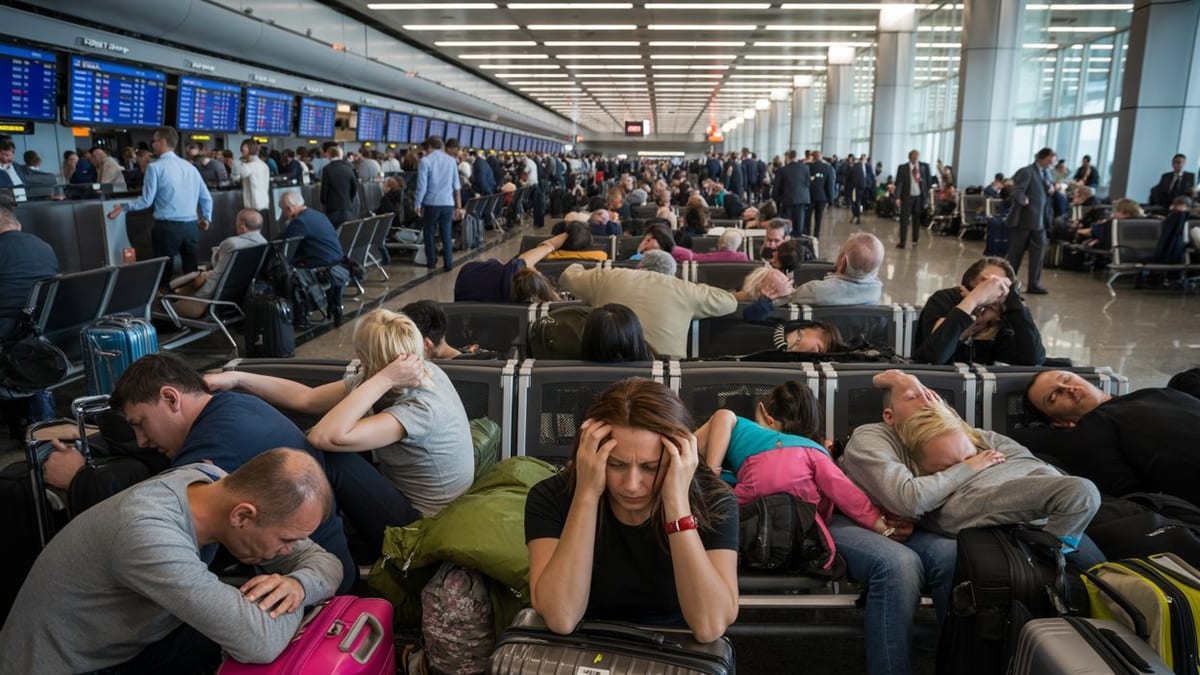
Image by Travel And Tour World
Widespread Cancellations Across Brazil’s Busiest Hubs
Published operational data and airport monitoring platforms on March 29 indicate that more than a dozen flights operated by American Airlines and Brazil’s three largest carriers Gol, Azul, and TAM were canceled or heavily disrupted across the country’s main hubs. The impact has been concentrated at São Paulo’s Guarulhos and Congonhas airports, Rio de Janeiro’s Galeão and Santos Dumont, and Brasília, but knock-on effects have reached other cities as aircraft and crews fall out of position.
Domestic travelers have reported cancellations and extended delays on trunk routes linking São Paulo, Rio de Janeiro, Brasília, Recife, Fortaleza, Porto Alegre, and Belo Horizonte. Publicly available schedules show gaps where multiple daily frequencies are ordinarily operated, reflecting a temporary reduction in capacity on what are normally among Latin America’s busiest corridors.
The disruption has also affected Brazil’s role as a regional hub. Connections through São Paulo and Rio that feed onward services to the country’s northeast and interior have been particularly vulnerable, leaving some travelers facing extended layovers or forced overnight stays as they wait for rebooking options.
Brazil’s aviation system is tightly interconnected, and analysts note that cancellations at one or two major airports can quickly propagate across the network. As aircraft and crews miss their rotations, later flights on seemingly unrelated routes can also be delayed or canceled, amplifying the effect beyond the initial wave of disruptions.
International Routes to the United States and Chile Impacted
International itineraries have not been spared. Monitoring of long-haul operations on March 29 shows cancellations and schedule disruptions on services linking Brazil to Miami and New York, as well as southbound routes to Santiago in Chile. These routes are typically served by a mix of American Airlines and Brazilian carriers, and any reduction in available seats can rapidly tighten capacity.
On the Brazil to United States market, the main gateways of São Paulo and Rio de Janeiro connect to Miami and New York with multiple daily flights under normal conditions. Recent cancellations have left some passengers stranded mid-journey, particularly those relying on tight connections between domestic feeders within Brazil and transcontinental departures to North America.
Connections between Recife and Santiago, along with other Brazil to Chile services routed via São Paulo, have also seen interruptions. Flight search platforms and timetable aggregators show several services removed from active departure boards or flagged as canceled, pushing travelers to reroute through alternative hubs or accept substantial delays.
Travel industry observers note that even a modest number of cancellations on long-haul sectors can have an outsized impact because aircraft used on these routes typically operate complex multi-day rotations. When one leg is canceled, subsequent sectors must often be rescheduled, leading to a cascade of changes across the international network.
Mixture of Operational and Weather-Related Drivers
While no single cause has been identified as responsible for all of the cancellations, publicly available information points to a combination of contributing factors. Seasonal weather in southeastern Brazil can slow operations at São Paulo and Rio, with low visibility and thunderstorms periodically forcing temporary ground stops or extended spacing between arrivals and departures.
Operational constraints are also playing a role. Industry reports from recent months have highlighted tight aircraft utilization and ongoing maintenance and staffing pressures at several carriers, particularly on busy domestic routes. In such conditions, even minor technical issues or late-arriving inbound flights can tip a schedule into widespread disruption.
In addition, global aviation remains sensitive to broader supply chain and systems issues. Airlines worldwide have spent the past two years managing aircraft part shortages, fluctuating fuel prices, and occasional IT outages. Brazilian carriers have faced similar challenges, and any local disruption can be magnified by these global headwinds, especially on international services where aircraft turnarounds are long and complex.
Analysts emphasize that today’s pattern of cancellations in Brazil aligns with a broader environment in which airlines are operating with little excess capacity. When something goes wrong, there are fewer spare aircraft and crews available to step in and stabilize the schedule quickly.
Passenger Experience: Rebookings, Refunds, and Lengthy Delays
Travelers caught up in the disruption have reported a mix of experiences, ranging from same-day rebooking on alternative departures to multi-day delays while waiting for open seats. Online tracking tools and social media posts show queues at service counters in São Paulo and Rio, where domestic and international passengers alike have sought new itineraries or compensation.
Brazilian consumer regulations give passengers specific rights when flights are canceled or significantly delayed, including assistance at the airport and options for rebooking or refunds in many circumstances. However, applying these rules in real time during a rapidly evolving disruption can be complicated, and passenger accounts suggest uneven implementation across carriers and airports.
Some travelers connecting to or from American Airlines and TAM long-haul services have described losing carefully planned itineraries when a domestic link within Brazil was canceled, forcing an unplanned overnight stay or the purchase of replacement tickets on competing airlines. Others have managed to secure reroutes via alternative hubs, such as connections through other South American cities or, in some cases, Europe.
Travel advisors recommend that affected passengers document all expenses and communications, monitor airline apps and departure boards closely, and remain flexible regarding routings and airports. In situations where multiple carriers are involved on a single ticket, the complexity of rebooking tends to increase, particularly when flights cross international borders.
What Travelers Should Do Now
For travelers scheduled to fly to or within Brazil over the next several days, industry guidance points to a handful of practical steps. First, passengers are advised to verify their flight status directly through airline channels shortly before leaving for the airport, as same-day schedule changes have been common during recent disruptions.
Second, public advisories encourage building additional time into itineraries involving connections, particularly when transferring between domestic flights operated by Gol, Azul, or TAM and long-haul services by American Airlines or other international partners. Longer layovers can reduce the risk of missed connections if earlier segments encounter delays.
Third, travelers holding nonrefundable tickets or promotional fares are being urged to review fare conditions and any flexibility policies currently published by the airlines. In previous disruption events, carriers have at times allowed changes without fees for certain dates and routes, though such waivers are typically time-limited and vary by airline.
Finally, observers note that Brazil’s peak travel periods, including school holidays and long weekends, place additional strain on an already busy network. With today’s cancellations underscoring the fragility of tight schedules, travelers planning trips in and out of São Paulo, Rio de Janeiro, Brasília, Recife, and other key cities may benefit from booking earlier in the day, avoiding tight self-made connections, and keeping contingency plans in mind should disruptions persist.