


More news on this day
Bristol Airport is expected to be among the UK’s worst performers for flight delays this summer, as new analyses of Civil Aviation Authority data highlight persistent punctuality problems ahead of the peak holiday season.
Get the latest news straight to your inbox!
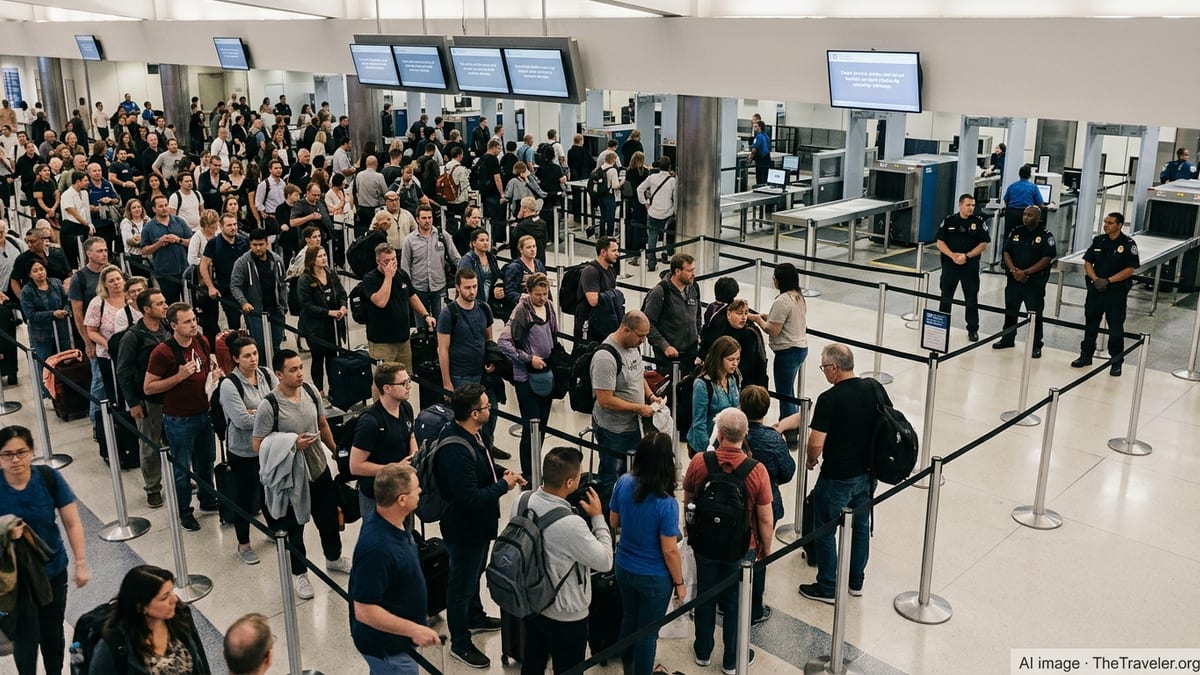
Data puts Bristol near the bottom of UK punctuality tables
Recent comparisons of UK airports using Civil Aviation Authority departure statistics indicate that Bristol is consistently ranked in the lower tier for punctuality, with average delays close to 19 minutes per flight over the most recent 12 month period assessed. That places it alongside some of the country’s most delay‑prone hubs, at a time when the national average delay has been closer to 17 minutes.
Studies published by consumer and travel outlets using CAA datasets from April 2024 to March 2025 show Bristol featuring in lists of airports with the longest average waits between scheduled and actual departure times. Bristol’s performance places it some distance behind regional leaders such as Belfast City, which has recorded typical delays of around 11 minutes, and well short of broader European benchmarks where average airport delay minutes remain significantly lower.
The numbers suggest that passengers departing from Bristol this summer are more likely than many UK counterparts to encounter pushbacks from the gate later than scheduled, even on days without major disruption. While the difference between an 11‑minute and 19‑minute delay may sound modest, analysts note that repeated slippages at this scale can have knock‑on effects across tightly timed holiday itineraries.
Why delays are expected to worsen during the summer peak
Travel industry reporting for the 2024 and 2025 peak seasons indicates that punctuality generally deteriorates during the busiest summer months, as airports run closer to capacity and are more exposed to air traffic control constraints and weather‑related disruption. European performance reviews show that July and August have recorded some of the highest average delay minutes per flight, with congestion at major hubs rippling into regional airports such as Bristol.
Analysts point to several factors that may intensify delays at Bristol this summer. The airport has been handling steadily rising passenger numbers as low‑cost carriers and leisure airlines add routes from the South West of England. Higher aircraft movements on a limited runway and apron layout can make the operation more sensitive to even minor hold‑ups, from late‑arriving inbound aircraft to ground handling bottlenecks.
In addition, ongoing staffing and resourcing pressures across airlines and service providers continue to affect the UK market. Consumer research published in late 2025 found that major airlines operating from British airports were, on average, less punctual than before the pandemic years, suggesting that systemic strains remain embedded in the network. When those pressures intersect with peak holiday demand, airports with weaker punctuality records are more likely to see schedules slip.
How Bristol compares with other underperforming UK airports
National round‑ups of airport performance continue to identify a cluster of UK hubs with comparatively poor delay records. Gatwick has repeatedly been highlighted as the country’s worst for average departure delays, with typical waits above 23 minutes, while Manchester and Birmingham have also featured prominently in tables of slowest‑to‑depart airports.
Bristol currently sits just behind these most delayed airports, with its average departure lag only a few minutes shorter. For travellers, that means the experience at Bristol is now closer to that of some of the UK’s most congested hubs than to smaller regional airports that have maintained stronger on‑time performance.
Unlike the largest London airports, Bristol has a predominantly leisure‑focused route network, with a high share of flights concentrated into peak departure waves to Mediterranean and European holiday destinations. Industry observers note that such banks of departures are especially vulnerable to cascading disruption if early‑morning flights leave late, leaving limited slack later in the day to recover the timetable.
Implications for holidaymakers using Bristol this year
For passengers flying from Bristol over the key school holiday weeks, the recent data suggests building in more time and flexibility around travel plans. Travel commentators advise that those with onward rail connections or car hire bookings should allow for potential delays on arrival, particularly on afternoon and evening services that can be affected by accumulative slippage earlier in the day.
The likelihood of delays also strengthens the case for checking in online as early as possible and arriving at the terminal in good time, especially for early‑morning departures when security queues and boarding processes can put additional pressure on punctual departures. While longer delays are not guaranteed, publicly available statistics indicate that Bristol passengers face a higher‑than‑average risk of late departures compared with many other UK airports.
For those with travel insurance, policy documents often specify how long a delay must be before compensation or benefits apply. Given Bristol’s position near the bottom of the national punctuality rankings, industry experts suggest that travellers carefully review cover levels and evidence requirements before departure so they can act quickly if schedules unravel.
Calls for improvement as Bristol eyes continued growth
Bristol Airport has ambitious growth plans and serves as a key gateway for South West England and South Wales, handling millions of passengers annually on routes across Europe and beyond. As it looks to expand, its recent performance on delays is drawing increasing scrutiny from consumer groups and travel commentators who argue that reliability needs to improve in step with passenger numbers.
Analyses of CAA data underline that even modest improvements in average delay minutes could move Bristol up several places in the national rankings and bring it closer to the performance of the best regional airports. Industry observers point to measures such as enhancing stand allocation, refining peak‑time staffing and strengthening coordination with airlines and air traffic control as potential levers for better timekeeping.
With another busy summer season approaching, the expectation among analysts is that Bristol will again feature near the bottom of punctuality tables unless tangible operational gains are made. For now, travellers using the airport are being advised to treat delays as a realistic part of their journey planning, rather than an exception, as the UK’s aviation network continues to grapple with post‑pandemic pressures and sustained demand.