

More news on this day
After several days of punishing security lines, ground stops and missed departures, Baltimore/Washington International Thurgood Marshall Airport is gradually settling into a more predictable operating rhythm, even as travelers remain wary and schedules still show scattered disruptions.
Get the latest news straight to your inbox!
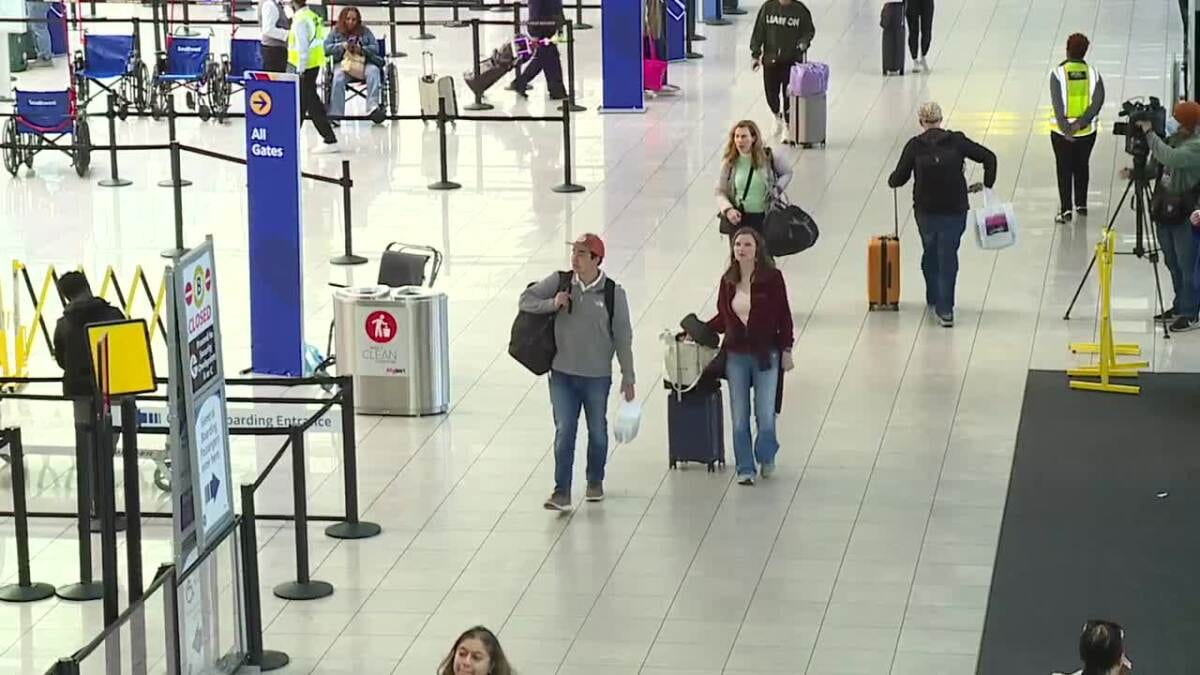
Image by WMAR 2 News Baltimore
From Gridlock to Manageable Lines
Reports from March 27 and March 28 described scenes of gridlock at BWI, with passengers facing hourslong waits at Transportation Security Administration checkpoints and some travelers missing flights despite arriving the recommended three hours early. Coverage on local television stations and social media posts showed lines for the A, B and C concourses stretching deep into the terminal and, at times, toward the curb.
By March 29, publicly available information indicated that those extreme waits had begun to ease. Travelers posting updated accounts described security queues that were still lengthy at peak periods but moving more steadily, with some checkpoints processing passengers in under an hour during midmorning and late-evening lulls. Airport security wait-time dashboards, which had displayed severe delays for much of the previous 48 hours, reflected more moderate conditions for portions of the day.
The shift has not been a full return to pre-disruption normal, but rather a move from crisis-level congestion to a pattern of heavy yet more predictable traffic. For many travelers, that change has meant a better chance of making their flights, even if it still requires arriving earlier than usual.
Ground Stop Lifted, Flight Schedules Stabilize
The security crunch at BWI was compounded by a temporary ground stop late in the week that affected multiple Washington-area airports. According to published coverage of the incident, the Federal Aviation Administration briefly halted flights into and out of Baltimore/Washington International, along with other regional airports, after a strong chemical odor was reported at the Potomac terminal radar approach control facility.
The pause in air traffic control operations added delays and cancellations on top of the already strained departure queues. Once the ground stop was lifted, BWI signaled in public updates that flights were resuming but warned that residual delays could persist into the evening as airlines worked through backlogs.
By the following day, flight-tracking data and airline schedules showed a more stable pattern at BWI, with most departures operating close to their planned times and a smaller share of outright cancellations. Travelers still encountered scattered disruptions, particularly on routes with tight aircraft rotations, but the cascading impacts that characterized the height of the chaos had diminished.
National Pressures, Local Bottlenecks
The difficulties at BWI in late March unfolded against a broader backdrop of nationwide strain on airport security operations. A prolonged federal funding impasse has affected pay for Transportation Security Administration staff, and national coverage has documented elevated absenteeism and attrition among screening officers at major hubs across the United States.
Reports highlighting conditions at BWI noted that the airport ranks among the busiest in the Mid-Atlantic and has experienced some of the highest rates of TSA staffing challenges in the country. Those pressures collided with a spring travel surge, creating conditions in which even minor operational hiccups quickly translated into outsized delays for passengers.
Local bottlenecks also contributed to the severity of the disruption. Accounts from travelers pointed to uneven staffing between different checkpoints, with some concourses experiencing far longer lines than others at the same time of day. That imbalance intensified perceptions of chaos, even as other parts of the terminal appeared comparatively calm.
Airport Response and Contingency Planning
In the midst of the disruption, BWI relied on a mix of public messaging and operational adjustments drawn from its irregular-operations contingency planning. The airport used its website and social channels to urge passengers to arrive earlier than usual, in some cases recommending four hours for peak departures, and to monitor flight status directly with airlines.
Available planning documents for the airport describe a framework for managing severe congestion, including coordination with airlines on gate usage, flexible staffing assignments within the terminal and expanded use of real-time wait-time data to shift passengers toward less crowded checkpoints. While not all of those measures are visible to travelers, the gradual shortening of the longest lines suggests that some of these tools helped restore a measure of balance to security screening operations.
Observers also noted that airlines operating from BWI appeared to adjust boarding times and, in some instances, hold departing flights slightly longer to accommodate passengers stuck in security queues. Those measures, while not eliminating missed flights, likely reduced the number of travelers stranded at the gate after enduring extended waits.
Traveler Caution Persists as Calm Returns
Even as conditions at BWI look calmer, many travelers are maintaining a cautious approach. Online forums and local travel advisories are filled with recommendations to build in significant extra time, particularly for early-morning and Sunday evening departures, which have been among the most crowded periods.
Some passengers are also exploring alternatives, such as shifting itineraries to off-peak departure windows or, for regional trips, considering rail and roadway options to avoid potential airport bottlenecks. That cautious behavior could, in turn, help prevent a rapid return to the levels of congestion seen during the height of the disruption.
For now, BWI appears to be operating in a state of guarded normalcy: calmer than the scenes that captured national attention, but still under enough strain that travelers are advised to treat timetables as flexible rather than guaranteed. With the broader issues affecting TSA staffing unresolved at the national level, the airport’s next true test may come with the next holiday surge or unexpected operational shock.