

More news on this day
As record numbers of travelers surge back into the skies in 2026, a cascade of security bottlenecks, aircraft safety worries and stretched airline operations is testing how much worse air travel can get before the system is forced to change.
Get the latest news straight to your inbox!
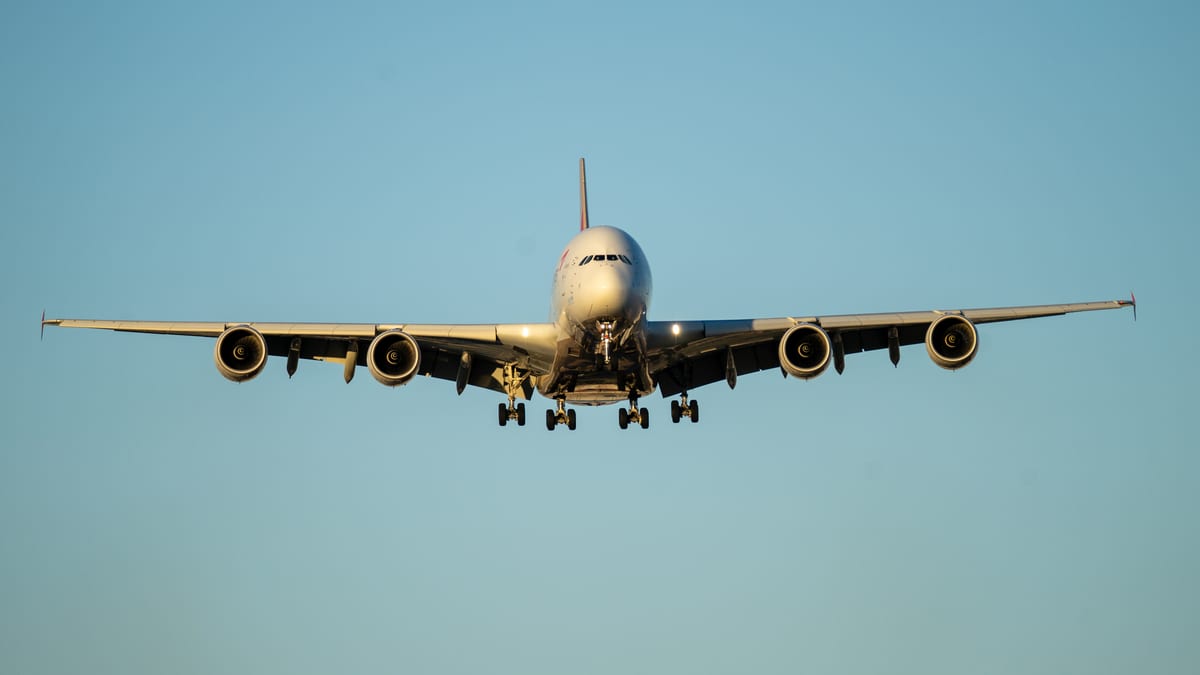
Image by thetraveler.org
Security Gridlock Meets Record Passenger Demand
Airport security checkpoints across the United States are straining under a combination of record passenger volumes and staffing disruptions tied to a partial federal government shutdown. Recent coverage indicates that at some major hubs, Transportation Security Administration lanes have operated with only a fraction of normal capacity, pushing wait times toward three to four hours during peak periods and prompting some airports to suspend real-time wait time dashboards amid rapid fluctuations.
Passenger throughput has rebounded beyond pre-pandemic levels, with internal government forecasts projecting annual traffic growth around four to five percent. That growth is colliding with a workforce that has seen hundreds of screening officers resign or call out in recent weeks, according to multiple news reports. Some smaller airports have been identified in contingency planning as candidates for temporary closure to free staff for overstretched hubs, underscoring how thinly spread the system has become.
Travelers are responding in predictable ways. Many are arriving at airports hours earlier than usual, hoping to hedge against unpredictable lines. Airport operators in several cities report that this defensive behavior, while understandable, can backfire by shifting crowds into already congested early morning banks and leaving terminals jammed well before checkpoints open fully. The result is an experience that feels less like an occasional holiday crush and more like a persistent state of high tension.
Despite the disruption, available data suggests large airports are still screening millions of passengers daily, helped by programs such as PreCheck that keep some lanes moving. But the unevenness between those enrolled in expedited screening and those in standard lines is sharpening a divide between travelers who can pay or plan their way out of delays and those who cannot.
Aircraft Safety Scrutiny Fuels Anxiety
At the same time, public concern about aircraft safety remains elevated after a series of high-profile incidents and investigations. The Alaska Airlines Boeing 737 MAX 9 door plug failure in January 2024 prompted emergency inspections and a temporary grounding of certain aircraft, and regulatory scrutiny has continued through 2025 and into 2026. An investigation by the National Transportation Safety Board, discussed in recent industry and regulatory summaries, pointed to weaknesses in manufacturing controls and oversight, while the Federal Aviation Administration has proposed additional penalties and long-term monitoring of production.
These developments arrive alongside other episodes that have kept aviation in the headlines, including precautionary inspections of Airbus narrow-body jets following a software issue and isolated engine failures on wide-body aircraft that led to emergency returns but no injuries. In South Korea, mandated checks on Boeing 737-800 aircraft after a separate incident added to global attention on maintenance and safety practices.
Aviation analysts stress that commercial flying in the United States remains statistically very safe, and there has been no indication of systemic risk to passengers from these events. Publicly available assessments emphasize that modern airliners, whether built by Boeing or Airbus, operate under intensive regulatory oversight and redundant safety systems. Yet from the traveler’s perspective, recurring headlines about inspections, recalls and proposed fines contribute to a sense that the machinery of air travel is under unusual strain.
That perception has practical consequences. Airlines facing temporary groundings or inspection-driven schedule changes must reshuffle fleets and crews, leading to cancellations and missed connections that ripple through busy travel periods. Even when disruptions are relatively contained, passengers often experience them as one more failure in an already fragile journey.
Airlines Squeeze Schedules and Crews
Airlines themselves are walking a tightrope between capitalizing on strong demand and avoiding operational meltdowns. In the United States and abroad, carriers have adjusted capacity as aircraft deliveries slow and new labor rules reshape how pilots and cabin crew can be scheduled. In India, for example, new flight duty time limitations introduced in 2024 contributed to a major scheduling crisis for the country’s largest airline the following year, forcing thousands of cancellations when rest requirements outpaced available crews.
In North America, publicly available planning documents and industry analyses describe a complex picture. Some large carriers are trimming or reshaping their summer schedules, pulling back on growth in constrained hubs while shifting aircraft to routes that promise better reliability or margins. Others continue to expand but warn of tighter turnaround times and thinner buffers when weather, air traffic control restrictions or maintenance issues arise.
Pilot and mechanic shortages, a lingering legacy of pandemic-era retirements and training pipeline disruptions, remain a background pressure. Although hiring has accelerated, it can take years for new pilots to progress to mainline cockpits and for maintenance staff to gain the experience required for complex inspections and repairs. Until then, the system remains vulnerable to bottlenecks any time a storm, a ground stop or an unplanned repair pulls aircraft and crews out of position.
For passengers, this often translates into packed flights with fewer empty seats to absorb disruptions. When a single aircraft goes out of service, alternatives are limited, especially on secondary routes or during peak seasons. Airlines can and do rebook customers, but travelers report that recovering from a missed connection can mean overnight delays and complicated rerouting through already congested hubs.
Airports Race to Expand, But Congestion Persists
Airports are investing heavily to keep pace with the crush. Recent industry studies of North American facilities note that billions of dollars have gone into new concourses, security checkpoints and baggage systems, with some large hubs reporting measurable gains in passenger satisfaction since these upgrades came online. Airports such as Minneapolis Saint Paul have scored particularly well in surveys, suggesting that targeted investments can relieve some pain points.
Yet even as terminals expand, congestion often migrates rather than disappears. Passenger numbers at a range of regional and mid-size airports have grown far faster than infrastructure over the past decade, leaving gate areas and curbside drop-off zones crowded at peak times. Reports from airports in fast-growing regions highlight limited space, aging facilities and construction projects that introduce their own delays.
Security gridlock further complicates the picture. Some airports are experimenting with dynamic queue management, directing passengers to less busy checkpoints via apps and overhead displays. Others promote off-peak departures or urge travelers to use mass transit to reduce curb congestion. Despite these efforts, many of the factors driving crowding, from population growth to airline network choices, remain outside local control.
Environmental and community pressures also shape how quickly airports can grow. Noise concerns, air quality regulations and local opposition to runway expansions can slow or block projects that might otherwise add capacity. That leaves airport managers juggling incremental fixes, from redesigning queuing areas to adding security lanes in existing footprints, while demand keeps climbing.
What Passengers Can Expect Next
For travelers looking ahead to the coming months, most publicly available forecasts point to continued high demand, ongoing security uncertainty and an aviation ecosystem still working through structural challenges. The Department of Homeland Security’s budget materials, for example, anticipate steady growth in passenger numbers, with planned hiring intended to stabilize checkpoint operations over time. At the same time, recent shutdown-related disruptions show how quickly those plans can be knocked off course by political or fiscal shocks.
On the safety front, regulators and manufacturers are signaling that enhanced oversight and data-driven monitoring will remain central themes. FAA initiatives to tighten inspections, combined with internal safety programs at major aerospace companies, are intended to reassure both investors and the flying public. It may take years, however, for these efforts to fully rebuild confidence after repeated headline-grabbing incidents.
Travelers are likely to face a more polarized experience. Those able to pay for expedited security programs, premium cabins or flexible tickets can mitigate some of the worst delays and recover more quickly from disruptions. Others, especially infrequent or budget-conscious flyers, may encounter a system that feels increasingly unforgiving, where a single delay at security or a minor schedule change can unravel carefully planned trips.
Whether air travel can get worse depends largely on how quickly governments, airports, airlines and manufacturers can translate lessons from the last two years into lasting reforms. For now, conditions in the terminals and on the tarmac suggest a system operating very close to its limits, with little slack left when anything goes wrong.