

More news on this day
Canada’s decision to freeze new applications under its Parent and Grandparent Program in 2026 is reverberating far beyond Ottawa, as families from Switzerland, Iceland, Germany, the United Kingdom, Luxembourg, Poland, Italy and more than thirty other European countries confront a patchwork of tougher travel rules, higher insurance thresholds and longer waits to reunite with loved ones.
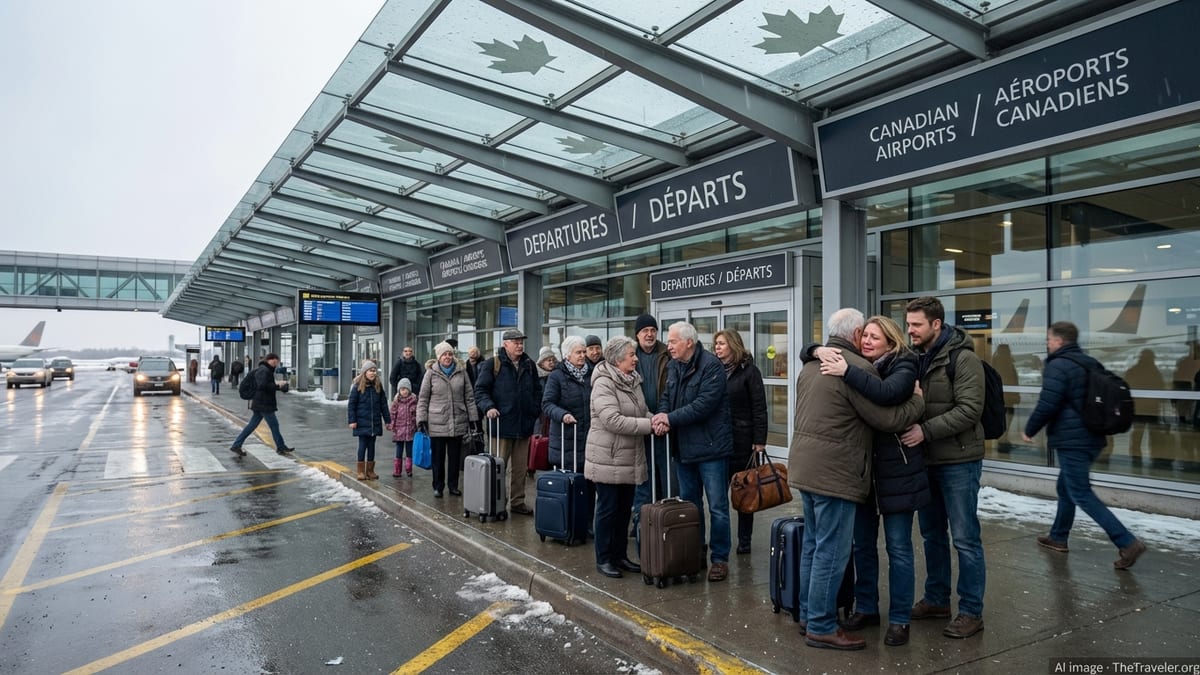
Canada Extends Halt on Parent and Grandparent Sponsorship
The latest ministerial instructions, which took effect on January 1, 2026, confirm that Canada will not accept any new permanent residence sponsorships for parents and grandparents this year. Instead, immigration officials will focus on clearing a limited number of cases already in the system, processing up to roughly 10,000 complete applications linked to the 2025 intake. For families who were never selected from earlier pools, there is currently no mechanism to file a fresh application.
The move builds on a series of earlier caps and pauses introduced in 2025, when authorities first stopped opening new interest-to-sponsor rounds and restricted processing to files submitted in previous years. Canadian officials frame the freeze as administrative triage, arguing that it is needed to manage a large backlog and bring processing times under control. For would-be sponsors, however, the practical effect is clear: no new pathway to permanent residence for parents and grandparents in 2026.
The halt has left many Canadian citizens and permanent residents turning instead to temporary options, most notably the so-called super visa, which can allow eligible parents and grandparents to visit for extended multi-year stays. Yet this alternative, while helpful for short- to medium-term visits, does not offer the security of permanent status and comes with its own demanding financial and insurance requirements.
European Families Facing a New Layer of Travel Friction
The policy shock is being felt acutely across Europe, where strong family ties to Canada have grown over decades of student, worker and skilled migration. Households in Switzerland, Iceland, Germany, the United Kingdom, Luxembourg, Poland and Italy, along with those in more than three dozen other European states, now find that the door to long-term parent and grandparent sponsorship has effectively been shut for at least another year.
Immigration lawyers and advisors in key European hubs report an uptick in urgent consultations from middle-aged professionals who had expected to begin sponsorships in 2026. Many had timed their careers, property purchases and childcare plans around the possibility of elderly parents relocating permanently. Instead, they are learning that any new sponsorship bid will have to wait until Canada issues fresh instructions, with no firm timeline yet announced.
For older relatives in Europe, the uncertainty is more than bureaucratic. Prospective migrants who delayed retirement or major life decisions while waiting for a sponsorship opening now confront the possibility of further multi-year delays. In countries with aging populations and rising care needs, the prospect of splitting family eldercare between continents is compounding emotional and financial strain.
Super Visa Demand Surges, Insurance Bar Raised in Europe
With permanent sponsorship channels on hold, Europe-based families are pivoting en masse toward Canada’s super visa as a stopgap solution. This multiple-entry document allows eligible parents and grandparents to stay in Canada for long stretches, often up to five years at a time, but crucially retains their status as visitors. As demand has grown, the super visa’s core condition has moved sharply into focus: comprehensive private medical insurance that meets Canadian standards from a provider approved by Ottawa.
Insurance intermediaries across Europe say they are fielding record numbers of queries from families trying to secure compliant policies for older relatives. In practice, that has meant a rapid scaling up of dedicated super visa products targeted at residents of European Economic Area states, Switzerland and the United Kingdom. These policies must typically cover emergency medical care, hospitalization and repatriation, often with coverage limits running into the hundreds of thousands of dollars.
The rush has had side effects. In markets such as Germany, Italy and Poland, insurers are reassessing risk models for elderly travelers who may spend much of the year abroad, while regulators keep a close eye on consumer protection issues. Some families report being surprised by strict health underwriting, age-related surcharges or exclusions for pre-existing conditions, all of which can dramatically raise costs for parents already living on fixed incomes.
Schengen-Area Travelers Confront Complex Itineraries
For many Europeans, a trip to Canada is no longer a simple point-to-point journey. Parents and grandparents who live in Schengen states but hold citizenship or residency in countries with different travel regimes can face multi-country itineraries that must comply with overlapping rules. This is especially true in families where relatives plan to combine extended Canadian stays with seasonal visits to children in Switzerland, Iceland, the United Kingdom or other non-Schengen jurisdictions.
Travel agents and visa consultants say that layering Canada’s super visa requirements on top of Europe’s own entry rules is creating intricate planning scenarios. Elderly travelers may need to balance long-term Canadian medical insurance, valid Schengen visas for transit or side trips, and national identity or residence documents from their home countries, all while staying within permissible stay limits and maintaining ties required by immigration authorities.
In practical terms, this means more paperwork, longer lead times and higher up-front costs. Families are increasingly advised to synchronize passport renewals, gather medical documentation and confirm multi-country travel histories before committing to flights. Missed details, such as an expiring residence permit in an EU state or a lapsed health policy, can derail carefully planned reunions that were meant to offset the sponsorship freeze.
Policy Uncertainty Leaves Europe-Canada Families in Limbo
Ottawa has emphasized that the current halt on new Parent and Grandparent Program applications is a pause rather than a permanent closure. Officials have repeatedly left open the possibility of future intakes once existing backlogs are reduced and targets in the federal immigration levels plan are reassessed. Yet without a concrete date for reopening, families in Europe are left trying to build long-term plans on short-term, renewable visas.
For now, migration specialists across Switzerland, Iceland, Germany, the United Kingdom, Luxembourg, Poland and Italy are urging clients to treat the coming year as a period of risk management. That means keeping financial records and civil documents in order so they can move quickly if a new intake is announced, while at the same time investing in robust travel insurance and realistic expectations for parents who may be splitting their lives between continents.
As Canada recalibrates its family reunification system, the human impact in Europe is measured in delayed goodbyes, extended long-distance caregiving and a steady rise in cross-border paperwork. Whether 2026 proves to be a temporary bottleneck or the start of a longer period of constrained parent and grandparent migration will shape family mobility between Canada and Europe for years to come.