

More news on this day
Passengers at Hartsfield-Jackson Atlanta International Airport faced another day of disrupted travel on March 30, as live tracking data showed at least 11 flights cancelled and more than 200 delayed, affecting operations on some of the busiest domestic routes in the United States.
Get the latest news straight to your inbox!
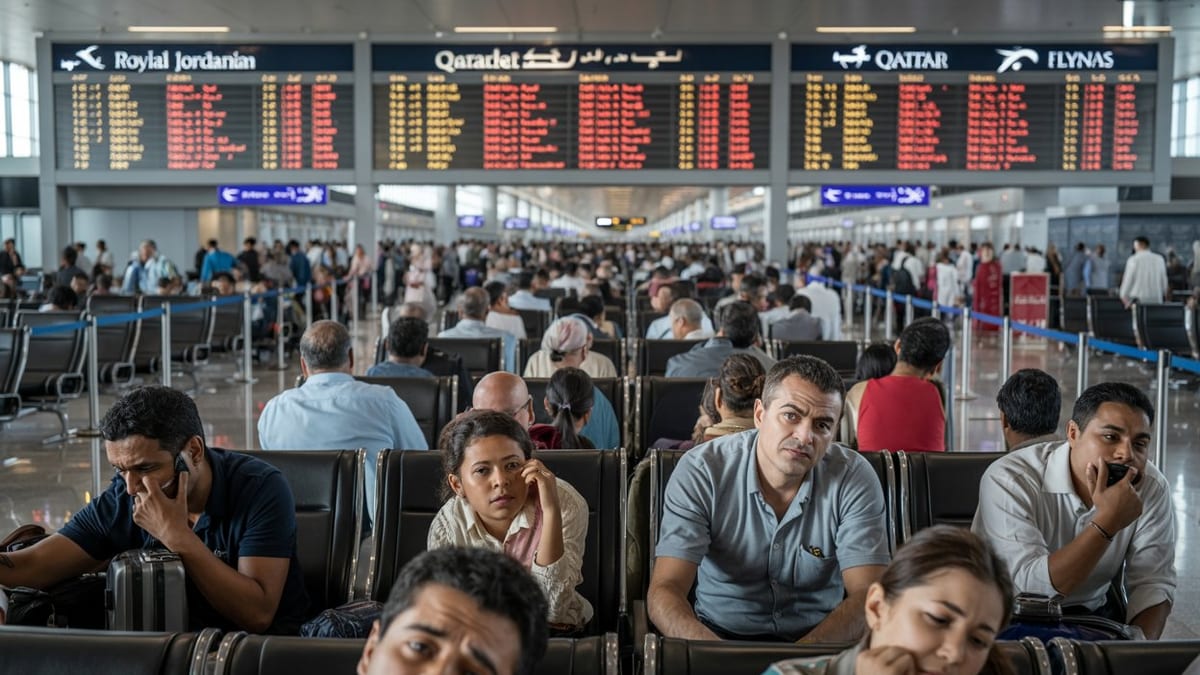
Image by Travel And Tour World
Fresh Disruptions Hit the Nation’s Busiest Hub
The latest round of disruption at Atlanta’s main airport comes during an already difficult period for U.S. air travel, with recent weeks marked by staffing constraints, severe weather in parts of the country and ongoing ripple effects from a partial federal government shutdown. Publicly available data and media coverage indicate that Atlanta, long ranked as the nation’s busiest airport by passenger volume, has been among the hardest-hit hubs for delays.
On March 30, the pattern continued, with cancellations and delays reported across multiple domestic carriers serving Atlanta. While the total number of cancellations remained modest compared with major storm events, the volume of delayed flights sharply compressed departure banks and created bottlenecks at gates and on taxiways, complicating efforts to recover schedules throughout the day.
Travelers reported long waits at departure gates, crowded concourses and difficulty rebooking onto alternative services, particularly for flights departing in the late afternoon and evening. The disruption added new strain to an airport that has already seen extended security wait times this month, according to local and national coverage of the ongoing transportation challenges.
Delta, American and Southwest Among Affected Carriers
Operational data compiled from flight-tracking platforms on Monday showed that major U.S. airlines with significant presences in Atlanta, including Delta Air Lines, American Airlines and Southwest Airlines, were all affected by the latest schedule disruptions. Delta, which operates its primary global hub at Hartsfield-Jackson, appeared to shoulder a substantial share of the delayed departures as knock-on effects spread through its tightly timed hub-and-spoke network.
American and Southwest, which operate a mix of point-to-point and connecting services into Atlanta, also recorded delayed departures and arrivals, particularly on routes linking Atlanta with major business and leisure destinations. While some delays were limited to 30 to 60 minutes, others extended well beyond scheduled departure windows, leaving passengers uncertain about their onward connections.
Industry analysts note that when a large hub airport experiences even a relatively small number of cancellations, the accompanying surge in delayed flights can be just as disruptive to passengers. Aircraft and crew often arrive late from earlier flights, creating a chain reaction that can touch several cities before operations normalize.
Major Routes to New York, Los Angeles, Chicago and Miami Disrupted
Among the routes most affected on March 30 were high-demand services connecting Atlanta with New York, Los Angeles, Chicago and Miami. These corridors link some of the country’s busiest metropolitan areas and function as vital arteries for both business and leisure travel.
Data from flight boards and tracking services suggested that multiple departures to the New York area, including services to LaGuardia and other regional airports, experienced delays or schedule changes. Flights to and from Los Angeles and Chicago, which are key long-haul and midcontinent connections for Atlanta-based travelers, also saw disruptions, contributing to crowding around certain gate areas.
Services to Miami and other Florida cities, which remain popular for spring travel, were likewise impacted. Even relatively short delays on these routes can cause missed cruise departures, tour connections or same-day international links, raising the stakes for passengers trying to adjust their plans on short notice.
Ongoing System Strain After Weeks of Travel Turbulence
The latest operational problems at Hartsfield-Jackson occur against a backdrop of sustained pressure across the U.S. aviation system. In recent weeks, winter and early spring storms, a high rate of security workforce absences during a partial government shutdown and chronic staffing challenges at airlines and airports have combined to push delays higher at many major hubs.
In Atlanta, publicly available information and local reporting have highlighted security screening queues that occasionally stretched beyond 90 minutes, as well as periodic calls for travelers to arrive significantly earlier than usual for departures. These conditions have left little margin for error when flight operations are disrupted, with even modest schedule changes quickly translating into missed connections and terminal crowding.
Broader national data from aviation performance reports show that the proportion of delayed flights in the United States has been trending above pre-pandemic norms, particularly during peak travel periods. When a central connecting point such as Atlanta experiences delays, the effects can be felt on secondary routes around the country, as aircraft and crews struggle to return to their planned rotations.
What Travelers Can Expect in the Coming Days
With only a limited number of flights cancelled outright on March 30 but hundreds delayed, the immediate impact for many travelers is likely to be extended time in terminals rather than long multi-day disruptions. However, the uneven distribution of delays throughout the day means that certain banks of flights, particularly evening departures to the West Coast and late-night connections, may remain vulnerable to rolling schedule changes.
Travel and aviation analysts suggest that passengers flying through Atlanta in the near term monitor their flight status frequently on airline apps and airport departure boards, and factor in extra time for connections, especially when linking to international services. Given the combination of staffing constraints, weather variability and ongoing federal budget uncertainty, operational reliability at major hubs is expected to remain under pressure.
Consumer advocates also point to existing federal tools that help travelers understand what support airlines may provide during controllable delays or cancellations, including rebooking options and, in some cases, meal or hotel accommodations. While policies vary by carrier and circumstance, awareness of these guidelines can help passengers navigate the aftermath of disrupted flights more confidently.
For now, the situation at Hartsfield-Jackson illustrates how even a relatively small number of cancellations, paired with a high volume of delayed flights, can significantly unsettle one of the world’s busiest airports, sending schedule shocks across the national air network and complicating travel plans for thousands of passengers in a single day.