

More news on this day
Travelers at Portland International Airport faced a fresh wave of disruption on Sunday as at least six flights on Alaska Airlines, Delta Air Lines, SkyWest and United were canceled and dozens more delayed, snarling key routes to Los Angeles, Vancouver, Amsterdam, Boise, Boston and other major destinations at the tail end of a turbulent weekend for U.S. air travel.
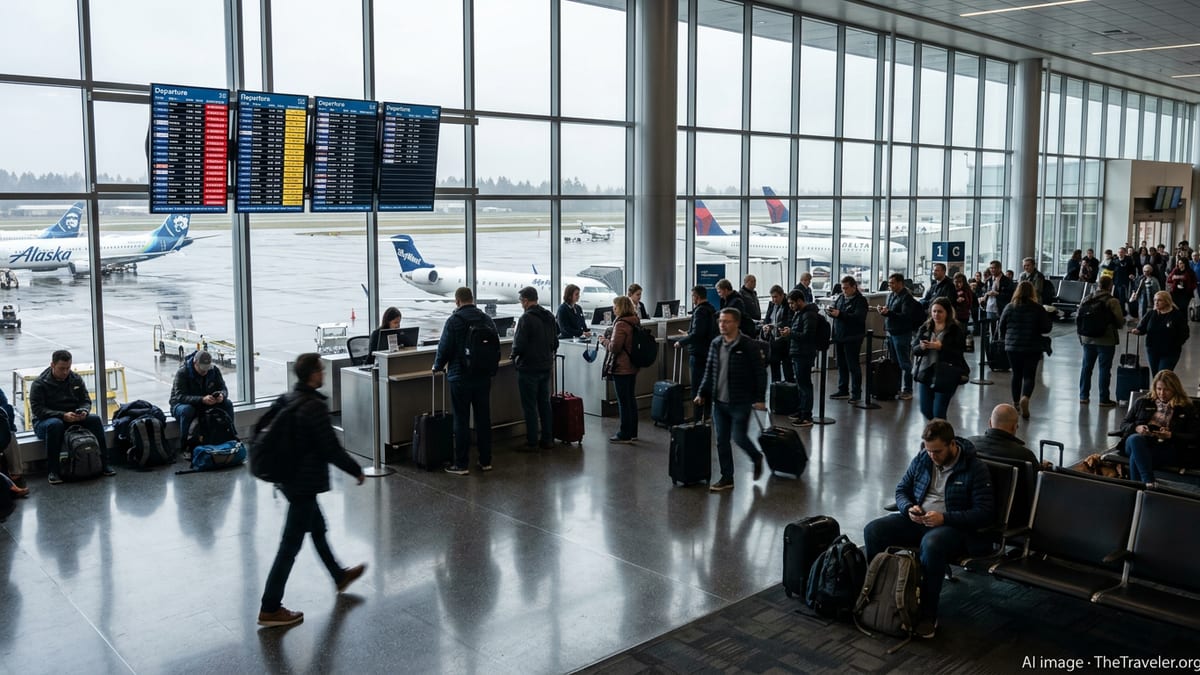
Storm Aftershocks Ripple Into Portland Schedules
The latest round of travel turmoil at Portland International Airport comes as airlines across the country continue to grapple with the knock-on effects of severe weather that swept through several major hubs on Saturday. Thunderstorms, snow and low clouds triggered hundreds of cancellations nationally and left aircraft and crews out of position, complicating Sunday operations.
By mid-morning Sunday, Portland’s departure and arrival boards showed a patchwork of red and yellow status alerts as carriers adjusted schedules, re-routed aircraft and attempted to re-start tightly timed networks. While Portland itself saw only light rain and low clouds, the lingering impact of Saturday’s storms in cities such as Denver and Chicago combined with operational bottlenecks on the West Coast to produce a messy day for travelers.
Airport operations staff reported normal runway and taxiway conditions, with no local ground stop in effect, underscoring that the bulk of the disruption stemmed from system-wide airline challenges rather than conditions over Portland. Even so, passengers on affected flights experienced long waits, rolling departure estimates and, in some cases, outright cancellations as carriers tried to recover.
For many travelers, the uneven pattern of delays and cancellations proved particularly frustrating. Some early-morning flights departed close to schedule, while subsequent departures on similar routes were pushed back hours or pulled from the schedule entirely, depending on aircraft availability and crew duty-time limits.
Major Carriers Hit: Alaska, Delta, SkyWest and United
Alaska Airlines, Portland’s largest carrier, absorbed a significant share of the disruption, reflecting both its dominant presence at the airport and its reliance on regional feed provided by SkyWest. Several Alaska-branded departures operated by SkyWest were canceled outright, cutting off morning and midday options for travelers headed to key West Coast and mountain destinations.
Delta Air Lines, which maintains an important connecting presence at Portland, also canceled flights and logged delays as it dealt with aircraft and crews arriving late from affected hubs. Routes linking Portland with Los Angeles and other transcontinental gateways were particularly vulnerable, as late-arriving inbound aircraft left narrow margins to turn flights on time.
SkyWest, which operates regional flights on behalf of both Alaska and United, saw its own network pressures spill into Portland. When a regional jet fails to arrive on schedule, it can trigger a cascade of schedule changes, forcing airlines either to delay downstream flights for hours or to consolidate passengers onto later departures. On Sunday, several such decisions translated into cancellations at Portland.
United Airlines, though smaller in scale at Portland than Alaska or Delta, was not spared. A mix of weather-related knock-on effects and aircraft positioning issues led to at least one canceled departure and multiple late flights, particularly on connections into United’s hubs in Denver and elsewhere in the interior West.
Key Routes to West Coast and International Hubs Disrupted
The impact of the disruptions was felt most acutely on some of Portland’s most heavily trafficked routes. Services to and from Los Angeles, a critical gateway for both domestic and international connections, saw cancellations and multi-hour delays, forcing some passengers to miss onward flights or seek last-minute rebooking options.
Flights linking Portland with Vancouver, British Columbia, and Amsterdam, key international gateways for transborder and transatlantic travel, were also affected by rolling delays and schedule changes. Even when individual flights were not canceled outright, late departures placed tight connections in jeopardy, leaving some passengers stranded overnight in intermediary hubs.
Closer to home, important regional links to cities such as Boise and other inland Northwest destinations experienced cancellations and extended delays, disproportionately affecting passengers with limited alternative options. For travelers relying on single daily frequencies or sparse weekend schedules, the loss of a single flight often meant a forced change of plans, unscheduled hotel stays or lengthy drives as they sought alternate ways to complete their journeys.
Boston-bound passengers, as well as those connecting through East Coast hubs, faced one of the longest ripple effects. With long-haul aircraft and crews already stretched from previous days’ disruptions, carriers prioritized certain trunk routes, leaving some Portland departures to New England and the Mid-Atlantic operating significantly behind schedule or not at all.
Passengers Face Crowded Terminals and Tough Choices
Inside Portland International Airport, the operational challenges translated into long lines at ticket counters and service desks as passengers scrambled for alternatives. Airline agents spent much of the day rebooking customers onto later flights, juggling limited seat inventories and managing expectations in the face of constrained options.
Some travelers were offered re-routing through secondary hubs or red-eye departures, while others accepted partial refunds or travel credits after deciding to postpone or abandon their trips entirely. For families and leisure travelers returning from early March vacations, the timing was particularly difficult, with many trying to make it home in time for work and school on Monday.
Gate areas grew crowded as rolling delays stacked up through the morning and into the afternoon. Periodic announcements advised passengers to remain close to their departure gates, as shifting crew schedules and air traffic control slots sometimes allowed delayed flights to move up or down the queue with little warning.
Airport concessions and seating areas remained busy for much of the day, though Portland’s relatively compact terminal layout and established reputation for passenger-friendly amenities helped soften the blow for some stranded travelers. Others, however, expressed frustration at perceived gaps in communication around evolving departure times and rebooking options.
Airlines Work to Reset Operations Ahead of the Workweek
By late afternoon, airline operations teams were focused on stabilizing schedules ahead of the Monday morning business travel rush. The priority, according to industry analysts, was to reset aircraft and crew positions so that early-week departures could operate as close to normal as possible, even if it meant canceling additional Sunday flights and consolidating passengers onto fewer departures.
Carriers continued to encourage passengers to check flight status frequently and to use mobile apps for rebooking where possible, in an effort to reduce pressure on airport customer service counters. Same-day change and standby policies were relaxed on a case-by-case basis, particularly for those traveling on canceled or heavily delayed flights.
Transportation experts noted that while Sunday’s disruption at Portland was significant, it formed part of a broader pattern of weather-driven volatility and tight airline staffing that has left the U.S. aviation system more vulnerable to cascading delays. When a major weather event hits one or two key hubs, its effects can radiate outward for days, touching airports that see only modest local conditions.
With spring break travel poised to ramp up in the coming weeks, the latest episode at Portland International Airport serves as a reminder to travelers to build extra time into itineraries, monitor flight status closely and consider alternate routing options when storms or system-wide disruptions appear in the forecast.