

More news on this day
A wave of flight cancellations at Orlando International Airport is disrupting travel across the United States and to international destinations, affecting routes operated by Frontier, Spirit, Delta, LATAM Colombia, Avianca and other carriers and leaving passengers bound for cities including Pittsburgh, Cleveland, Detroit, San Antonio, Keflavik and Washington D.C. scrambling for alternatives.
Get the latest news straight to your inbox!
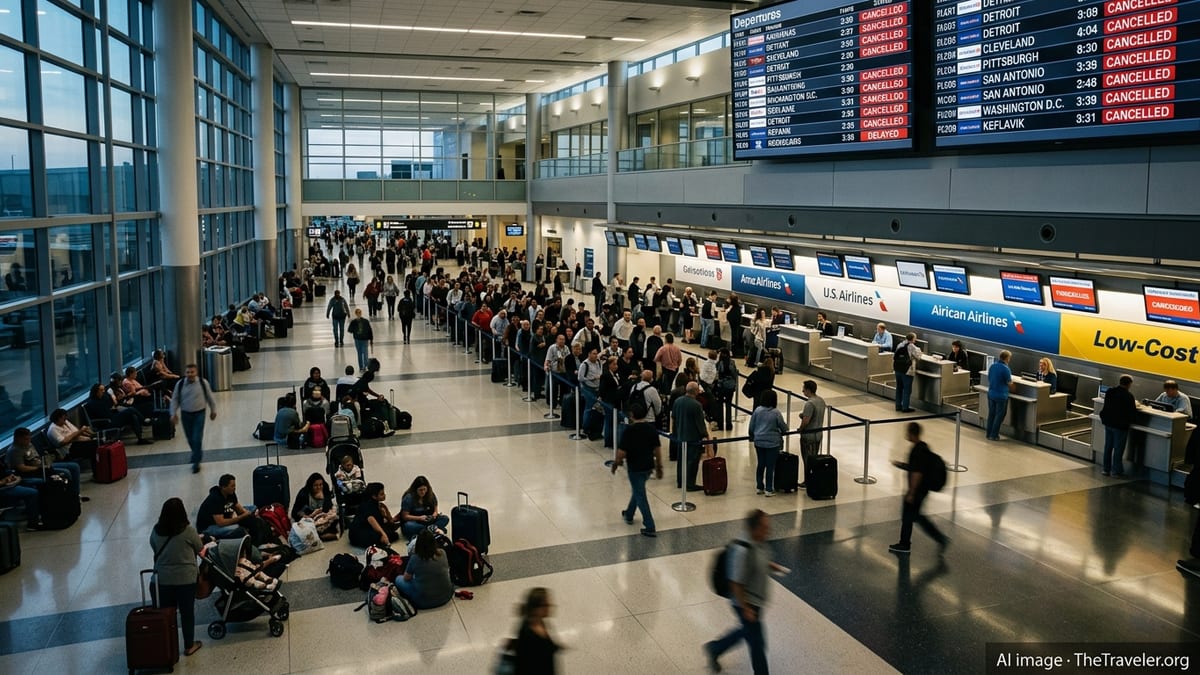
Cluster of Cancellations Hits Orlando Hub
Publicly available tracking data and passenger reports indicate that at least 15 flights linked to Orlando International Airport were canceled in a short window, cutting into a mix of domestic and international routes. Low cost operators Frontier and Spirit appear to account for a significant share of the disruptions, alongside selected services involving Delta and Latin American partners Avianca and LATAM Colombia.
The cancellations are rippling out to cities such as Pittsburgh, Cleveland, Detroit and San Antonio, along with transatlantic and long haul routes touching Washington area airports and Keflavik in Iceland. Travelers connecting through Orlando, a major leisure hub, are reporting abrupt changes to itineraries, long rebooking queues and extended airport waits.
Operational data for March 2026 show Orlando handling an intensive network of domestic flights alongside services into Latin America and Europe, leaving the airport particularly exposed when even a modest number of flights drop out of the schedule. The latest disruption is unfolding during a busy spring travel period when load factors and advance bookings typically run high.
Published coverage of recent nationwide airline performance points to a broader pattern of elevated cancellations among several U.S. carriers in mid March, with ultra low cost operators recording some of the highest percentages. Against this backdrop, the Orlando cluster underscores how quickly localized issues can cascade across the wider network.
Routes to Midwest and Texas Among Those Affected
Orlando’s links to secondary and mid sized U.S. cities appear to be among the most exposed in the current episode. Services touching Pittsburgh, Cleveland and Detroit, which rely heavily on point to point leisure demand and connecting flows, feature prominently in traveler accounts of disrupted itineraries.
In one recent weather related disruption, publicly shared airline communications and passenger posts described multiple Orlando departures to Detroit, Cleveland and other northern cities being canceled in a single day, illustrating how quickly Midwest connectivity can be reduced when conditions or operational stresses mount. Those markets are served by a mix of carriers, including Frontier, Spirit and legacies such as Delta, so cancellations on one operator can quickly limit remaining options.
Texas routes are also under pressure. March schedule data from the Greater Orlando Aviation Authority lists Frontier and Spirit alongside a major domestic competitor on the Orlando to San Antonio corridor, a market that has been growing but remains relatively thin compared with coastal trunk routes. When a single daily roundtrip is removed, passengers often have little choice but to accept lengthy connections or travel a day earlier or later.
Travelers on social platforms describe being rebooked through alternative airports, including Tampa and Fort Lauderdale, or purchasing last minute tickets on rival carriers to salvage trips. Those workarounds can add hundreds of dollars and many hours to journeys that were originally marketed as straightforward nonstops.
International Links to Colombia, Iceland and Washington Area Disrupted
The latest disruptions are not limited to domestic flying. According to schedule filings and route maps, Orlando hosts an expanding set of Latin American and long haul services, including Colombian routes shared between Avianca, LATAM Colombia and U.S. carriers, as well as links into the Washington D.C. region and seasonal connections to Keflavik for onward travel to Europe.
In recent months, the wider Latin American market has seen heightened volatility. Regulatory changes and geopolitical tensions have altered permissions for several airlines, including Avianca and LATAM Colombia, in some countries, prompting network reshuffles and schedule adjustments. While the Orlando cancellations are not all directly tied to these developments, the complexity of cross border operations means small timetable changes can have knock on effects for connecting flights through Florida.
Publicly available destination lists for Orlando show services into Bogota and other Colombian gateways, as well as coordination with major U.S. hubs such as Washington Dulles. When a flight on one leg of that chain is withdrawn, passengers bound for or returning from Latin America can easily find themselves stranded mid journey, particularly if alternative frequencies are limited.
Seasonal transatlantic services between Orlando and Keflavik, typically timed to feed European leisure demand, are also vulnerable to disruption. Industry analysts note that these flights often operate with tight aircraft utilization and slim margins, leaving little slack to absorb irregular operations. A single aircraft out of rotation can therefore force multiple cancellations or a full day of retimed departures.
Operational Strain on Ultra Low Cost Carriers
The situation at Orlando highlights ongoing challenges for ultra low cost carriers that operate dense schedules with limited spare aircraft and tight crew rotations. Recent tallies shared in aviation forums show Spirit and Frontier logging dozens of cancellations on some March days nationwide, with percentages significantly above several larger competitors.
Observers point to a combination of factors, including weather systems moving across key hubs, crew availability as airlines rebuild schedules after the winter, and aircraft maintenance demands converging at the start of the busy spring and summer seasons. For airlines built on quick turnarounds and high utilization, even minor disruptions can accumulate quickly and lead to wholesale cancellations by late afternoon or evening.
Orlando’s role as a major base for these carriers intensifies the impact. When multiple flights from the same operator drop out at a single airport, check in halls and gate areas can become congested and rebooking desks overwhelmed. Passengers describe standing in long lines while phone and app based customer service channels struggle to keep up with the surge in change requests.
Analysts also note that some low cost airlines have been pruning and reshaping their networks, concentrating on core markets such as Orlando, Fort Lauderdale and Detroit. While that strategy can improve overall performance, it can also leave outlying routes more exposed, since there may be fewer backup flights and less flexibility to reroute aircraft when irregular operations occur.
What Travelers Are Experiencing and How to Prepare
Accounts from affected travelers at Orlando describe crowded terminals, rolling delay notifications that eventually convert into cancellations, and difficulty securing same day alternatives. Some passengers report being offered rebookings one or two days later, with limited hotel or meal assistance, while others opt to cancel trips outright and seek refunds or travel credits.
Consumer advocates recommend that travelers passing through Orlando in the coming days monitor their bookings closely, use airline apps for real time schedule information and consider backup options on other carriers when feasible. For those on complex itineraries involving international connections through Orlando, checking the status of each flight segment and any minimum connection times can reduce the risk of missed onward travel.
Travel planning specialists often advise building additional time into itineraries during peak seasons, especially when flying on heavily utilized leisure routes or with airlines that run tight fleets. Purchasing tickets with flexible change policies or using credit cards that include trip disruption coverage can also provide an extra layer of protection if cancellations cascade.
As airlines adjust schedules and seek to stabilize operations following this latest wave of disruptions, Orlando remains a critical bellwether for broader U.S. leisure travel. Any sustained improvement or deterioration in cancellation levels at the airport is likely to be quickly felt in cities from Pittsburgh and Cleveland to San Antonio, Washington and beyond.