

More news on this day
Carnival Cruise Line has scrapped 11 sailings from Long Beach, California, and is offering affected guests protected fares on replacement voyages along with onboard credit as the company adjusts its deployment on the U.S. West Coast.
Get the latest news straight to your inbox!
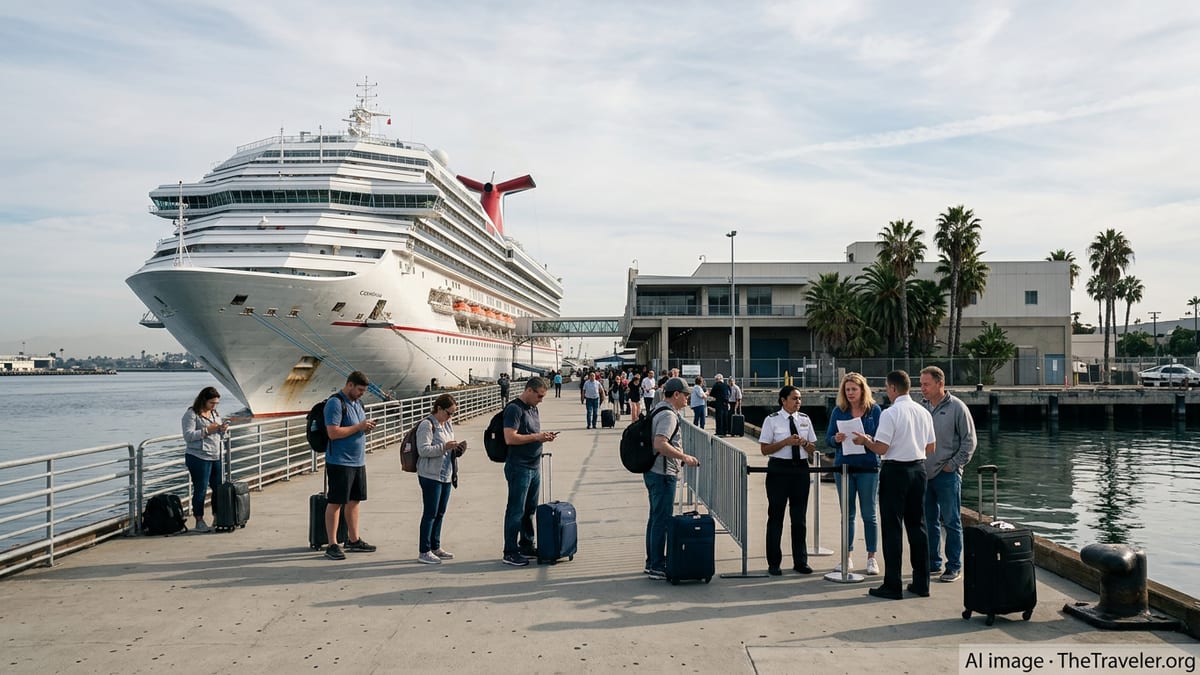
Multiple Long Beach Sailings Removed From Schedule
Carnival Cruise Line has notified guests and travel advisors that a series of 11 upcoming cruises from Long Beach have been canceled as part of a broader schedule reshuffle. The affected sailings are understood to include Mexican Riviera and Baja Mexico itineraries that had been marketed to Southern California vacationers as short getaway and weeklong options.
While specific departure dates vary by guest, the cancellations cluster across a single deployment window, suggesting a ship is being reassigned or placed into an extended maintenance or dry dock period. Carnival has not publicly detailed the full reasoning in its guest communications, framing the move as an operational change rather than a response to safety or regulatory issues.
The decision impacts thousands of travelers who had booked cruises many months in advance, often tying their vacation plans to nonrefundable flights, hotel stays and other arrangements built around the Long Beach departures.
Carnival has advised guests to monitor their email communications and online cruise manager accounts carefully, as notices are being sent booking by booking with individualized rebooking options.
Protected Rates and Rebooking Options for Affected Guests
In an effort to ease the disruption, Carnival is allowing impacted guests to rebook on comparable sailings at protected rates. That means travelers can move their reservation to similar itineraries and accommodations without paying any increase in the cruise fare that may have occurred since they first booked.
The protected-rate policy is particularly important for guests who locked in promotional pricing or group rates. In the current pricing environment, equivalent new reservations on popular school holiday or peak-season dates can run significantly higher than when many of these Long Beach cruises were originally purchased.
Guests are being offered a choice of alternative sailings from Long Beach and, in some cases, from other West Coast ports when comparable itineraries are available. Carnival is encouraging travelers to work either directly with the cruise line’s contact center or with their travel advisor to secure preferred new dates and cabin types.
Those who no longer wish to sail may request a full refund of cruise-only charges. Carnival’s communications indicate that standard cancellation penalties are being waived for these bookings because the line initiated the changes.
Onboard Credit Offered as Incentive and Apology
Beyond protected rates, Carnival is also extending a goodwill gesture in the form of onboard credit for guests who choose to rebook rather than cancel outright. The credit amount varies by length of cruise and stateroom occupancy, but is being presented as a way to offset the disappointment and inconvenience caused by the schedule changes.
Onboard credit can typically be used for a wide range of purchases once on the ship, including specialty dining, shore excursions, spa treatments, Wi-Fi packages and beverages. For many families, this extra value will effectively reduce their out-of-pocket spending on board, helping to salvage planned celebrations, reunions or milestone trips.
The use of onboard credit is consistent with how major cruise brands often respond to last-minute itinerary shifts or cancellations. By pairing financial flexibility with added onboard perks, Carnival is aiming to keep affected travelers within its brand ecosystem and encourage them to give the revised schedule another chance.
Guests are being reminded that onboard credit is generally nonrefundable and tied to the new sailing, so it will not be paid out in cash if the rebooked cruise is later canceled by the traveler.
Impact on Long Beach Cruise Market and Local Travelers
The cancellation of 11 departures is a notable development for Long Beach, one of the busiest homeports for Mexican Riviera and Pacific coastal sailings. The port serves a large Southern California drive-to market, and Carnival has long been a dominant presence, carrying a mix of first-time cruisers and repeat guests loyal to the brand’s casual atmosphere.
For local travelers, the change may mean rethinking school break plans, pre- and post-cruise hotel stays, and flights for visiting friends or family members who were planning to join the voyages. Travel advisors report an uptick in calls from clients seeking to understand their rights, weigh rebooking options and explore alternatives on other lines sailing from nearby ports such as Los Angeles and San Pedro.
Businesses in and around the Long Beach cruise terminal, including parking operators, hotels and restaurants that benefit from pre-cruise and post-cruise stays, could also feel a short-term impact from the reduced passenger throughput on the canceled dates. However, if Carnival maintains similar capacity on replacement sailings later in the season, much of that demand may simply shift on the calendar rather than disappear entirely.
For now, travelers booked on unaffected Long Beach departures are being told their cruises remain scheduled to operate as planned, underscoring that the changes are limited to the specific set of 11 sailings identified in the line’s outreach.
What Affected Travelers Should Do Next
Travelers whose bookings are among the canceled Long Beach sailings are being urged to act promptly once they receive official notice from Carnival. Rebooking options and cabin availability are likely to be best in the first days after communications go out, particularly for families that require adjoining rooms or specific bed configurations.
Passengers who arranged flights, hotels or rental cars independently should review the terms of those reservations immediately. While Carnival’s protected rates and onboard credit soften the blow on the cruise side, third-party travel providers will apply their own rules on refunds and changes. In many cases, travelers may need to lean on flexible fares or travel insurance to avoid penalties.
Guests working through travel advisors are encouraged to coordinate all changes through their agent, who can manage the cruise rebooking while also helping to adjust flights and land arrangements. Those who booked directly with Carnival can use the cruise line’s online tools or call center to review available alternatives.
With the West Coast cruise market in flux and demand remaining strong, industry observers say the combination of protected fares, refund flexibility and onboard credit represents a relatively robust response to an operational disruption, even as affected travelers grapple with the practical challenges of reshaping their vacations.