

More news on this day
Guests booked on Carnival Freedom’s spring 2026 transatlantic sailing are discovering a surprise itinerary twist, as Carnival Cruise Line quietly replaces a planned Spanish call with a Moroccan port, reshaping expectations for the long-haul voyage between North America and Europe.
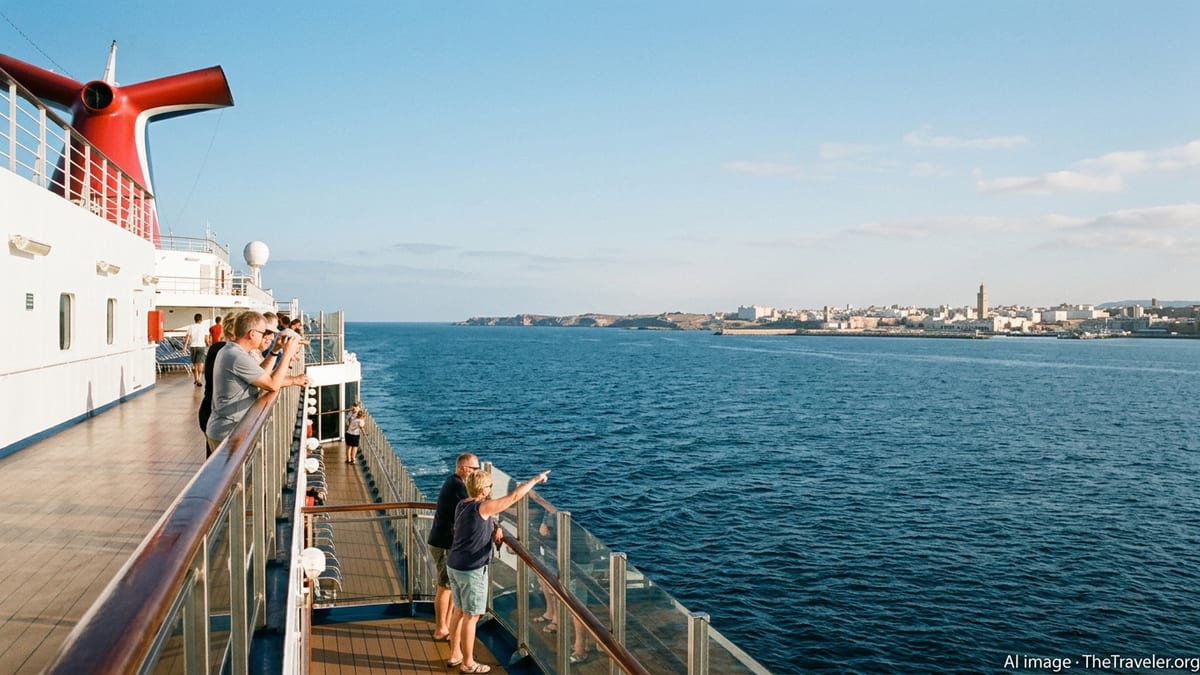
A Quiet Itinerary Change for a Major Crossing
The 2026 transatlantic voyage on Carnival Freedom was marketed for months as a classic repositioning cruise highlighted by a mix of sea days and popular calls across Spain. In recent days, however, booked guests checking their online documents began to notice a different story: one of the marquee Spanish ports missing and a new call in Morocco appearing in its place.
Cruise itineraries are always advertised as subject to change, but adjustments to a headline destination on a long-anticipated crossing inevitably draw attention. For many travelers, the opportunity to step ashore in multiple Spanish ports was a key selling point when they locked in their cabins well in advance of the 2026 season.
The updated schedule now reflects a Spain-to-Morocco routing, inserting a North African stop and slightly adjusting sea days and timing around the eastern Atlantic. The change alters not only the geography of the crossing but also the cultural flavor of the overall voyage, which will now bridge Iberian Europe and North Africa in a single itinerary.
Carnival has not prominently promoted the revision beyond the standard notice that itineraries can be modified based on a variety of operational needs. That has left many guests to discover the change themselves when revisiting their booking details or comparing saved confirmations with the latest schedule.
Passenger Reaction: From Disappointment to Excitement
Among booked guests, the reaction has been mixed. Some travelers who chose the sailing specifically for an extended Spanish focus expressed frustration that a familiar Mediterranean-style port has been traded for an entirely different destination late in the planning timeline. For those who had already researched shore excursions, local cuisine, and historic sites in the original Spanish call, the pivot requires a fresh round of preparation.
Others, however, see the shift as an unexpected upgrade. Morocco has been steadily rising in popularity with cruise lines looking for new experiences close to the well-trodden western Mediterranean routes. A call in a Moroccan port offers a markedly different atmosphere from Spain, with North African markets, Arabic and Berber influences, and striking coastal vistas only a short sail from the Iberian Peninsula.
For some seasoned cruisers, the revised plan is exactly the kind of surprise that makes repositioning voyages appealing. Transatlantic crossings are often chosen by guests who value sea days and are open to itinerary tweaks if it means discovering somewhere they might not have picked on a land-based trip. The addition of Morocco, for these travelers, turns a familiar Spain-heavy route into a more adventurous cultural arc.
Still, there is an undercurrent of concern among guests who prefer predictability, particularly those traveling with mobility issues or tight budgets. A new country can mean different visa questions, revised tour options, and unfamiliar currency for purchases ashore, all of which feel more significant on a once-in-a-decade vacation.
Why Cruise Lines Pivot: Operational and Strategic Factors
While Carnival has not provided a detailed public explanation tied specifically to this 2026 Freedom crossing, several common factors often drive late-stage itinerary refinements. Port congestion and berth availability across popular Spanish destinations can fluctuate as competing lines publish new deployments, making it more practical to substitute a nearby port with more favorable schedules or better capacity.
Weather and seasonal patterns also play a role in shaping transatlantic routes. Adjusting the balance between Spain and Morocco can fine-tune the ship’s course and timing across potentially rough stretches of the eastern Atlantic, helping operators manage both comfort and fuel efficiency on a voyage that spans thousands of nautical miles.
Strategically, major lines have been working to diversify port offerings around the edges of the Mediterranean and Atlantic. Morocco, in particular, has been appearing more frequently in deployment announcements, positioned as an accessible gateway to North Africa that pairs well with Spanish and Canary Islands calls on either side of a crossing.
For Carnival, showcasing a Moroccan call on a marquee repositioning cruise also allows the brand to test interest and guest feedback ahead of future seasons. If the Spain-to-Morocco blend proves popular with 2026 passengers, similar combinations could find their way into subsequent spring and autumn transatlantic schedules.
What the Change Means for Booked Guests
For passengers already ticketed on the 2026 transatlantic, the most immediate implication is the need to revisit plans for the affected port day. Any previously arranged independent tours that were built around the original Spanish stop may need to be modified or canceled, and guests relying on private guides will want to confirm refund terms and alternative options.
On the ship’s side, Carnival is expected to rework its excursion program to showcase Moroccan highlights that can be comfortably experienced within a single port call. Typical offerings in similar North African ports include guided visits to historic medinas, coastal viewpoints, and culinary tours introducing local street food and market culture.
Guests should also take a moment to review any country-specific entry notes provided in their updated cruise documentation, including identification requirements ashore and recommendations around local customs. While most cruise visitors experience Morocco through organized ship tours, independent explorers often appreciate a short primer on bargaining norms, dress expectations, and tipping practices before disembarking.
Travel insurance, too, is worth a fresh look. Because itineraries for ocean cruises retain a great deal of flexibility, standard policies usually treat port swaps as non-compensable changes. However, travelers with additional coverage for missed port excursions or independent travel add-ons will want to clarify how the new stop is handled under their specific plan.
Spain and Morocco on One Ticket: A Different Kind of Crossing
Despite the surprise factor, many observers see Carnival Freedom’s revised 2026 route as an example of how cruise lines are working to broaden the narrative of a transatlantic crossing. Rather than serving primarily as a repositioning move between two familiar cruise regions, the sailing now tells a story that stretches from Spanish plazas to Moroccan souks within a single voyage.
For Europe-bound North American travelers, that creates an opportunity to sample two distinct cultural worlds on the same ticket. A day spent wandering Spanish waterfront promenades and tasting tapas might be followed later in the cruise by the scents of spices and the call of North African markets, all framed by a long run of open-ocean days onboard.
The new combination also highlights how close Spain and Morocco sit across the Strait of Gibraltar and eastern Atlantic routes, a proximity that still feels surprising to many first-time visitors. Crossing between the two by cruise ship, especially on a longer repositioning itinerary, reinforces that sense of geographic connection in a way a short flight rarely can.
As departure year 2026 draws nearer and more details emerge about port times and shore programs, guests will have a clearer picture of how the Spain-to-Morocco pivot will play out day by day. For now, the altered course on Carnival Freedom stands as a reminder that on the open ocean, even carefully planned itineraries can still hold a few surprises.