

More news on this day
The United States Centers for Disease Control and Prevention has issued a new global travel notice on dengue, warning that the painful mosquito-borne infection often called “breakbone fever” is surging in many destinations popular with American travelers.
Get the latest news straight to your inbox!
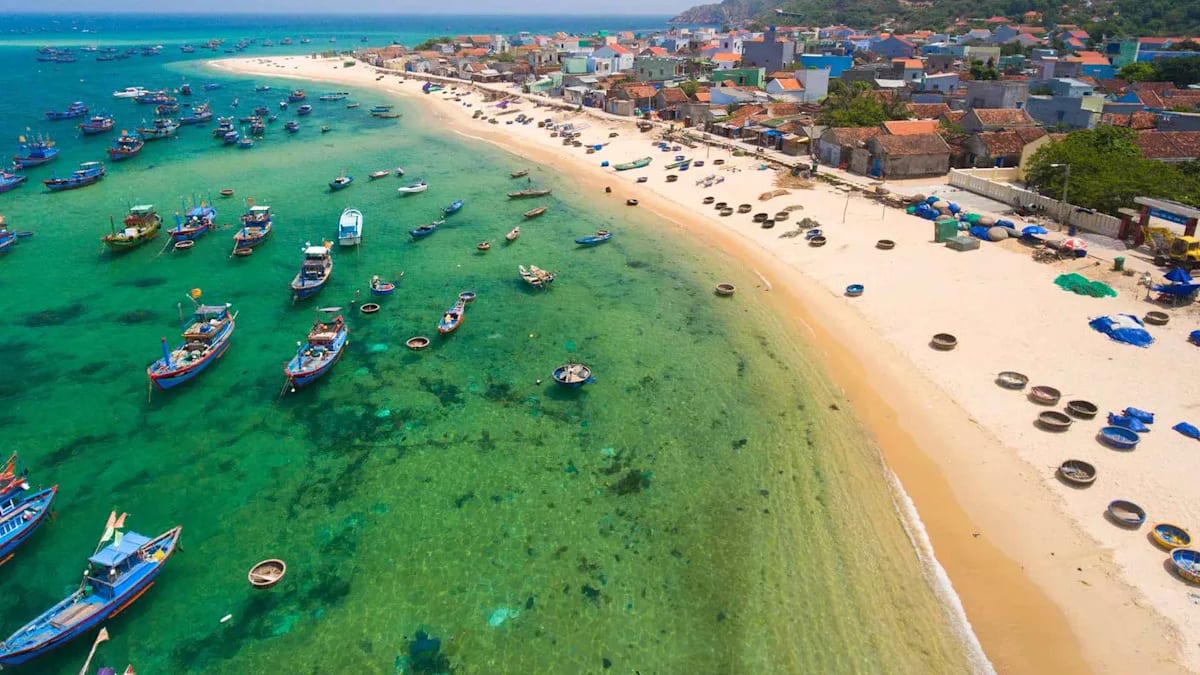
Image by yahoo.com
Global Dengue Travel Notice Highlights Rising Risk
Publicly available information from the CDC’s Travelers’ Health site shows that the agency updated a worldwide Level 1 Travel Health Notice for dengue in late December 2025, emphasizing that dengue remains a year-round risk in many tropical and subtropical regions. A Level 1 notice signals that travelers should practice usual precautions, but the scope of the alert is global, reflecting widespread and persistent transmission.
The notice follows several consecutive years of unprecedented dengue activity. Data summarized by the CDC and the World Health Organization indicate that the Americas have recorded record-breaking case counts since 2023, with tens of millions of suspected infections across Latin America and the Caribbean. In 2024 and 2025, large outbreaks in countries such as Brazil, Peru and Mexico contributed to a sharp rise in travel-associated infections diagnosed in the United States.
While the Level 1 classification stops short of recommending that people postpone or cancel travel, the broad geographic spread of the alert means that many beach resorts, cruise routes and city destinations frequented by U.S. tourists are currently reporting higher than usual dengue activity. Travel health specialists say this pattern is likely to continue into the 2026 warm season in the Northern Hemisphere.
According to summaries of CDC health alerts issued in 2024 and 2025, travel-related cases identified after trips to Latin America, the Caribbean and parts of Asia reached their highest levels on record. That trend, combined with ongoing outbreaks in some U.S. territories, prompted renewed messaging directed at clinicians and travelers ahead of spring and summer vacation periods.
What ‘Breakbone Fever’ Is And Why It Can Be Severe
Dengue is a viral illness spread primarily by Aedes aegypti and Aedes albopictus mosquitoes, which also transmit infections such as Zika and chikungunya. The disease is sometimes referred to as “breakbone fever” because of the intense muscle and joint pain that can accompany the infection. Typical symptoms include sudden high fever, severe headache, eye pain, nausea, vomiting, rash and marked body aches.
Most people recover within one to two weeks with rest and fluids, but dengue can occasionally progress to a life-threatening form known as severe dengue. Public health guidance describes severe dengue as involving plasma leakage, severe bleeding or organ impairment, which can lead to shock, respiratory distress or death without prompt care. Warning signs, which tend to appear after the fever subsides, include abdominal pain, persistent vomiting, bleeding gums or nose, rapid breathing and extreme fatigue.
Medical references from the CDC’s Yellow Book note that infection with one of the four dengue virus types usually provides lifelong immunity to that type but only short-term, partial protection against the others. A subsequent infection with a different type can increase the risk of severe disease, a concern for frequent travelers or people who have previously lived in dengue-endemic regions.
There is no widely available antiviral treatment that targets dengue directly, so care focuses on managing symptoms and preventing complications. Because some common over-the-counter pain medications can worsen bleeding risk, health advisories consistently emphasize that travelers should seek medical evaluation rather than self-treating severe or unusual symptoms after returning from a risk area.
Hotspots For Travelers: From Caribbean Resorts To Asian Cities
CDC mapping of areas with dengue risk shows that large parts of Latin America, the Caribbean, Southeast Asia, South Asia and the Western Pacific report ongoing transmission. Recent summaries of surveillance data highlight elevated case numbers in destinations such as Puerto Rico, the U.S. Virgin Islands, parts of Central America, and coastal regions of Brazil and Mexico. Several Pacific islands and South Asian countries have also faced recurrent outbreaks.
Reports compiled by state and territorial health departments indicate that Puerto Rico and the U.S. Virgin Islands have remained particular focal points, with repeated outbreak declarations over the past few years. These territories are popular with U.S. mainland travelers, especially during winter and spring, increasing the likelihood of infections in returning visitors.
At the same time, news coverage citing the World Health Organization describes a multi-year wave of dengue cases across Latin America and the Caribbean, surpassing historic records. Urban hubs, coastal resort corridors and inland tourist routes have all been affected to varying degrees, often coinciding with rainy seasons and higher mosquito densities.
Travel medicine experts point out that the combination of dense populations, favorable mosquito habitats and frequent regional movement helps sustain transmission. For travelers, that means both city breaks and rural eco-tourism itineraries can involve exposure, depending on local conditions and the time of year.
Limited Vaccine Options And Focus On Personal Protection
Despite the scale of recent outbreaks, vaccine options for U.S. travelers remain restricted. One dengue vaccine previously licensed in the United States was indicated only for certain children living in areas with continuous dengue transmission and with proof of prior infection. Published coverage notes that this product is no longer available in the U.S. market, leaving no routinely recommended dengue vaccine for American tourists at this time.
Other vaccines, including products authorized in parts of Europe, Asia or Latin America, may be accessible to residents or travelers through local health systems, but they are not part of standard pre-travel preparations for most U.S.-based visitors. As a result, official guidance still centers on mosquito bite prevention rather than immunization for the general traveling public.
CDC materials on travel-associated dengue consistently stress the importance of using Environmental Protection Agency registered insect repellents, wearing long sleeves and long pants when possible, and choosing accommodations with air conditioning or effective window and door screens. In areas where these measures are difficult to maintain, such as outdoor stays or budget lodging without screened windows, the practical risk of mosquito exposure rises.
Because Aedes mosquitoes often bite during the daytime as well as at dawn and dusk, advice for travelers differs from that for diseases primarily transmitted by night-biting mosquitoes. Prevention strategies focus on round-the-clock vigilance rather than only evening protection, especially in neighborhoods with visible standing water or heavy mosquito presence.
What This Alert Means For Upcoming Trips
Travelers planning visits to affected regions are not being asked to cancel their itineraries on the basis of the current Level 1 notice, but the alert signals that dengue should now be part of routine pre-trip risk conversations. Health agencies and travel clinics recommend that people with upcoming travel review official destination-specific advice, consider their underlying health conditions and plan for medical care access at their chosen destination.
Older adults, pregnant people, those with chronic illnesses and individuals with a previous history of dengue infection may wish to discuss their personal risk tolerance with a clinician before travel. While severe dengue can occur in healthy adults, underlying conditions can complicate recovery, and some travelers may decide to modify their activities or timing to avoid peak mosquito seasons.
Published analyses of travel surveillance data suggest that infections are most often linked to trips to areas experiencing active outbreaks, particularly during rainy months. Flexible travelers may be able to adjust their dates or choose lower-risk regions when outbreaks are widely reported, while others can focus on strict bite-prevention strategies if travel is unavoidable.
Travel-health resources advise that anyone who develops fever within about two weeks of returning from a dengue-affected destination should seek medical care and mention their recent travel. Early recognition can reduce the chance of complications and helps public health authorities track where infections are being acquired, which in turn informs future travel alerts and destination guidance.